







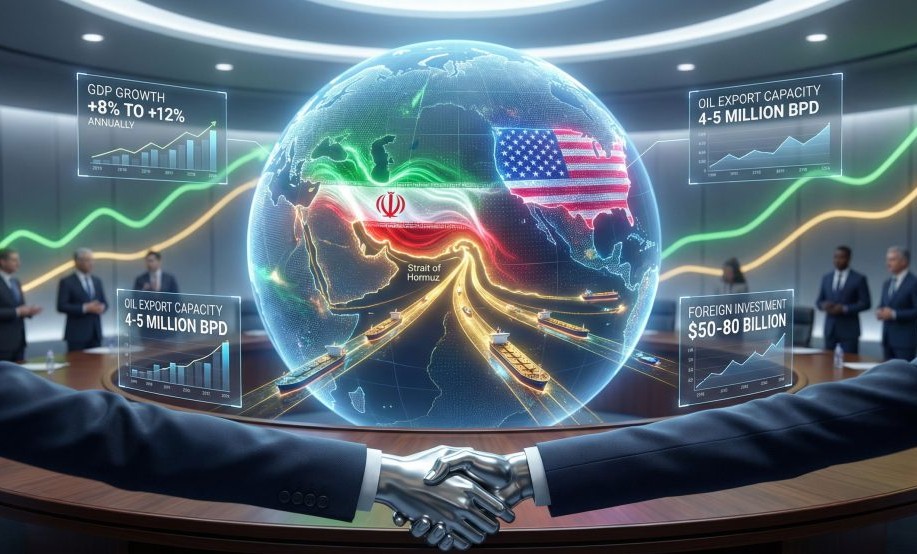
At a moment of mounting global uncertainty, leaders gathering under the banners of the International Monetary Fund and the World Bank have delivered a stark message: the world’s economic toolkit may no longer be sufficient for the scale of shocks it faces.
Behind closed doors and in public remarks, policymakers acknowledged a growing reality — coordination between nations is weakening just as crises become more complex, interconnected and fast-moving. From volatile energy markets to mounting debt burdens in developing economies, the pressures facing governments are no longer isolated, but overlapping in ways that strain traditional responses.
There is a noticeable shift from the unified action seen during the 2008 Global Financial Crisis. Then, major economies moved with relative cohesion to stabilise financial systems. Today, geopolitical rivalry and competing national priorities have produced a more fragmented response, with countries increasingly acting in their own immediate interests rather than pursuing coordinated global strategies.
For many lower-income nations, the consequences are immediate and severe. Rising borrowing costs, currency volatility and limited fiscal space have left them exposed to external shocks they are ill-equipped to absorb. Calls for faster debt restructuring and stronger financial support have grown louder, but progress has been slowed by disagreements among major economies and institutional constraints.
The challenge for leaders is no longer purely economic. Domestic political pressures are shaping international decisions, narrowing the scope for compromise and collective action. Governments facing inflation, slowing growth and public dissatisfaction are often prioritising national stability, even when global cooperation may offer more durable solutions.
Analysts warn that this shift risks deepening global inequalities and prolonging instability. The institutions at the centre of the discussions are also under scrutiny, with questions about whether structures designed for a different era can still respond effectively to today’s rapidly evolving challenges.
What emerges from these meetings is not simply concern about economic conditions, but a broader unease about leadership itself. The crises confronting the world are global in nature, yet the responses remain increasingly national.
In that disconnect lies a defining test of modern leadership and, for now, no clear resolution.





+ There are no comments
Add yours