







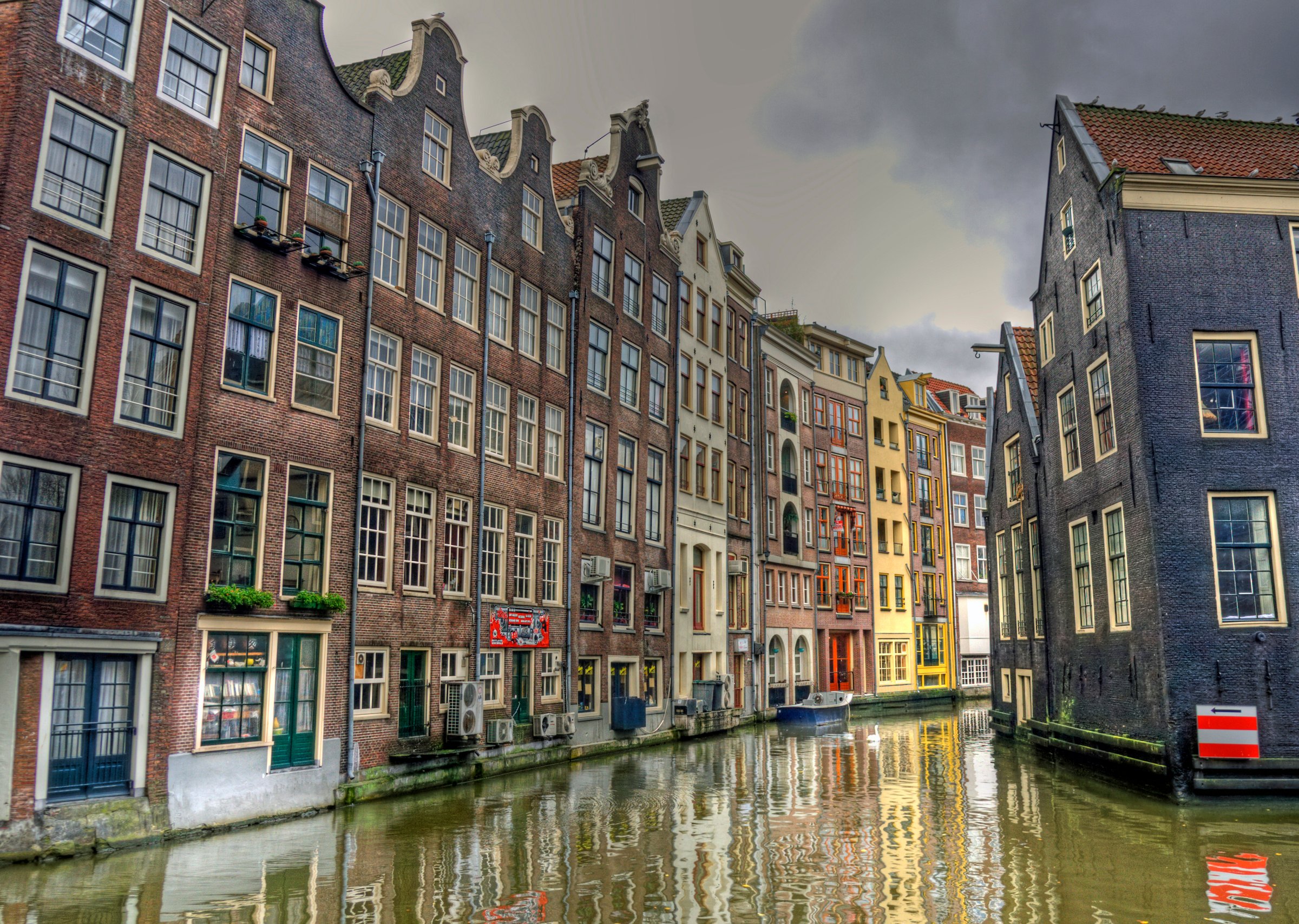
Europe’s housing crisis is becoming one of the continent’s most pressing economic and political challenges, as rising rents, expensive property prices and a shortage of affordable homes leave millions of residents struggling to find somewhere to live. Against this backdrop, the debate over illegal immigration is intensifying, raising difficult questions about housing demand, government policy and the future of Europe’s real estate market.
From major cities such as Paris, Berlin and Amsterdam to fast-growing urban centres across Southern Europe, access to affordable accommodation has become increasingly difficult for many households. Young professionals are postponing homeownership, low-income families are facing mounting rental costs, and some residents are being pushed away from the neighbourhoods where they work. The growing pressure has fuelled public frustration and intensified demands for governments to take action.
Immigration has become an important part of this debate. When people arrive in a country, they need somewhere to live, whether they are seeking employment, protection, education or family reunification. In cities where housing supply is already limited, additional demand can intensify competition for available rental properties, particularly at the lower end of the market. If the number of available homes does not keep pace with population growth, landlords may gain greater pricing power and tenants may face fewer affordable choices.
However, the distinction between legal and illegal immigration is essential. There is not enough comparable Europe-wide evidence to conclude that illegal immigration alone is responsible for the continent’s housing crisis. Research examining immigration more broadly suggests that its impact on rents and property prices varies according to local conditions, the number of homes available and the characteristics of the population entering an area.
The wider housing figures nevertheless illustrate the scale of the problem. According to Eurostat, EU house prices rose by 4.7% year on year in the second quarter of 2026, while rents increased by 3%. These increases occurred across a housing market already facing affordability pressures, although the scale of the change varied considerably between countries.
The real estate consequences can be particularly serious in cities where construction has failed to keep up with demand. When accommodation is scarce, even relatively small increases in the number of households seeking housing can create pressure in particular neighbourhoods. Low-income renters may be especially vulnerable because they have fewer alternatives and less ability to absorb sudden increases in housing costs.
For undocumented migrants, the situation can be equally precarious. Without secure immigration status or access to conventional rental arrangements, some may depend on informal housing, overcrowded accommodation or landlords operating outside normal regulatory systems. Such circumstances can expose vulnerable tenants to exploitation, unsafe living conditions and excessive charges. Effective enforcement of housing standards and immigration laws therefore matters not only for public policy but also for the protection of tenants.
Yet immigration is only one part of a much larger economic picture. Europe has struggled with insufficient housing construction in many areas, planning restrictions, high building costs, limited access to development finance and shortages of construction workers. In some cities, properties are also used for tourism, second homes or investment rather than permanent residential occupation. These factors can reduce the number of homes available to local residents even when the population is not growing rapidly.
The construction industry presents an additional complication. Portugal, for example, has tightened immigration rules while facing a significant shortage of housing. Foreign workers make up a substantial share of its construction workforce, and industry representatives have warned that restrictions on recruiting and retaining workers could delay building projects. This illustrates a central contradiction in the debate: migration can increase demand for accommodation, but migrant workers can also help build the homes needed to ease that demand.
For property developers and investors, the consequences depend on the market. Strong housing demand can support rental income and property values, particularly in cities where supply is restricted. But escalating prices can also undermine affordability, provoke political intervention and increase uncertainty over future rental regulations. Investors must therefore consider not only population trends but also planning policy, construction costs, tenant protections and the political response to housing shortages.
Governments face a difficult balancing act. Authorities must enforce immigration rules, prevent exploitation and maintain reliable records of population changes. At the same time, they must address the underlying shortage of affordable homes through faster construction, better planning, investment in social housing and stronger enforcement against unsafe or unlawful rental practices.
A policy focused exclusively on reducing immigration would not automatically solve the housing crisis if construction remained insufficient, existing homes stayed vacant or large numbers of properties continued to be used for short-term accommodation. Equally, ignoring the effect of population growth on already constrained local housing markets would leave an important part of the policy challenge unaddressed.
The political stakes are considerable. Housing affordability increasingly affects how people judge governments, economic opportunity and social fairness. When working families struggle to pay rent while property values remain beyond their reach, frustration can deepen and immigration can become a flashpoint in wider arguments about national resources and public priorities.
The challenge for European leaders is to move beyond slogans and establish policies based on evidence. That means measuring how different forms of migration affect specific housing markets, identifying where shortages are most severe and ensuring that new homes are built where people need them. It also means recognising that undocumented migrants, legal migrants and established residents are not interchangeable groups and may experience the housing market in very different ways.
Europe’s real estate crisis is unlikely to be resolved by a single policy or a single explanation. Immigration can add pressure to housing demand in some locations, but inadequate supply, construction barriers, investment patterns and the use of existing properties are also significant factors. The relative importance of each varies from city to city.
Ultimately, Europe faces a housing crisis that demands stronger leadership, more homes and more effective enforcement. The question is not simply whether illegal immigration affects the property market, but whether governments can manage migration responsibly while ensuring that affordable housing remains within reach of the people who live and work in Europe.






+ There are no comments
Add yours