




Hidden deep within the lush rainforests of West Africa, Tiwai Island is offering travellers something increasingly rare in a crowded global tourism market: an opportunity to experience nature in its raw beauty while supporting the communities working to protect it.
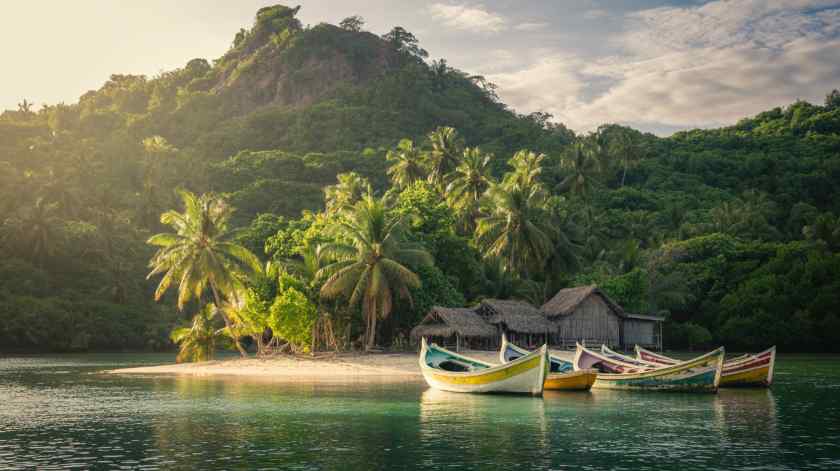
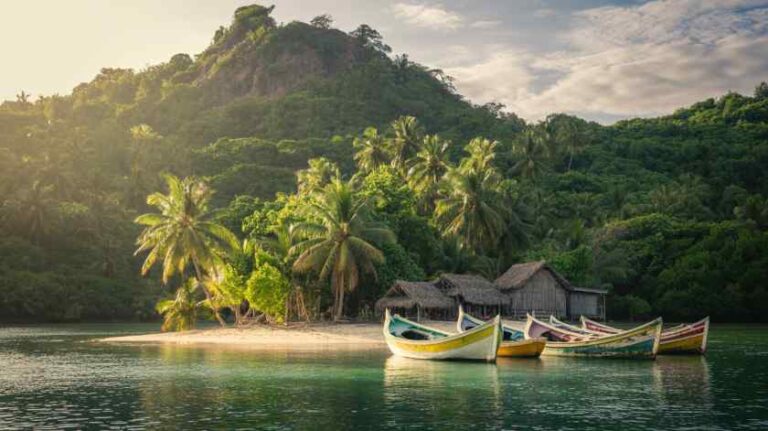
Located on the Moa River in southeastern Sierra Leone, Tiwai Island is a wildlife sanctuary surrounded by tropical forest, winding waterways and remarkable biodiversity. Far removed from the bustling streets of major tourist cities, this green sanctuary is attracting attention for its rare wildlife, guided forest expeditions and community-led approach to sustainable tourism.
For travellers seeking an alternative to crowded beaches, commercial resorts and conventional sightseeing holidays, Tiwai offers a different kind of escape—one shaped by wildlife encounters, local culture and the rhythms of the natural world.
A Wildlife Haven in the Heart of West Africa
Tiwai Island is best known for its extraordinary biodiversity. The sanctuary is home to pygmy hippopotamuses, more than 135 bird species and an impressive variety of primates, making it one of Sierra Leone’s most distinctive destinations for nature enthusiasts.
Among its most fascinating residents is the elusive pygmy hippopotamus, a rare and endangered species that inhabits forested landscapes and waterways across parts of West Africa. Smaller than the common hippopotamus, these shy animals are difficult to spot, adding an element of anticipation to wildlife excursions.
The island is also a haven for primates, with several species living among its dense forest canopy. Visitors may hear monkeys calling through the trees or catch glimpses of wildlife moving through the vegetation. Birdwatchers, meanwhile, can explore the forest in search of colourful and distinctive species.
Wildlife sightings are never guaranteed, and that uncertainty is part of the experience. Rather than offering staged encounters, Tiwai invites visitors to observe animals in their natural habitat while respecting the fragile environment on which they depend.
Forest Walks, River Journeys and Immersive Adventures
For adventurous travellers, Tiwai’s appeal extends well beyond its wildlife.
Guided forest walks allow visitors to explore the island’s rich ecosystem while learning about its plants, animals and conservation importance. Accompanied by knowledgeable local guides, travellers can discover the sights and sounds of the rainforest while gaining a deeper understanding of the relationships between wildlife and its environment.
The Moa River provides another perspective on the sanctuary. Boat tours offer opportunities to observe the forest from the water, look for birds along the riverbanks and watch for signs of wildlife near the shoreline.
During the dry season, visitors can also enjoy the island’s sandy river beaches, creating a quieter alternative to the busy coastal resorts found elsewhere in the world.
Unlike destinations built around nightlife, shopping districts and large entertainment complexes, Tiwai’s experiences encourage visitors to slow down. The forest becomes the main attraction, the river provides the journey, and the surrounding communities offer a window into local life.
Community-Led Tourism Puts Local People at the Centre
One of Tiwai Island’s most compelling features is its approach to tourism.
The sanctuary’s eco-tourism initiative is managed by the Environmental Foundation for Africa–Sierra Leone, working in connection with the island’s eight host communities. According to the sanctuary’s official visitor information, tourism revenue is reinvested in Tiwai Island and contributes to a Community Development Fund that supports programmes in these communities.
Local residents play important roles in welcoming visitors, providing guiding services and helping with the day-to-day operation and protection of the sanctuary.
Community visits can also introduce travellers to local traditions, food and cultural practices, adding a human dimension to the wildlife experience. Visitors have the opportunity to learn about everyday life in the region rather than viewing the island solely as a wilderness destination.
This model illustrates how carefully managed tourism can connect conservation with local economic opportunities. When visitors choose locally operated experiences and respect community guidance, their journeys can help support both livelihoods and the long-term protection of natural habitats.
Simple Stays for Travellers Seeking a Closer Connection with Nature
Tiwai is not designed to compete with luxury island resorts offering private villas, elaborate spas and extensive entertainment facilities. Its accommodation reflects the destination’s emphasis on simplicity and immersion in nature.
Visitors can choose camping or stay in basic lodge accommodation, with facilities intended to support a comfortable visit without turning the sanctuary into a heavily developed resort.
Meals can feature local Sierra Leonean dishes prepared by community members, including rice, stews and sauces made with ingredients from the surrounding area.
For some visitors, this simplicity will be part of the attraction. Falling asleep to the sounds of the forest and waking to birdsong can provide a memorable contrast to the routines of urban life.
Travellers should, however, plan ahead. Accommodation availability, transport arrangements, tour schedules and current prices should be confirmed directly with the sanctuary before departure.
A Different Kind of Sustainable Travel
As awareness of responsible tourism grows, destinations such as Tiwai Island offer an important alternative to high-volume travel.
Its value lies not simply in its scenery but in the relationship between tourism, biodiversity and local communities. Forest walks, river excursions and wildlife observation can help visitors appreciate the importance of protecting habitats that support rare species.
Responsible travel is particularly important in such sensitive environments. Visitors should follow local guides, avoid disturbing animals, keep their distance from wildlife, take rubbish away where appropriate and respect community customs.
These measures help minimise the environmental footprint of tourism while preserving the experience for future visitors.
Tiwai’s approach also highlights a wider question for the global travel industry: can destinations attract visitors and generate income without sacrificing the ecosystems and cultures that make them special? Community-led eco-tourism provides one possible answer, although its long-term success depends on effective conservation, reliable management and continued benefits for local residents.
Getting There: What Travellers Should Know
Tiwai Island lies in Sierra Leone’s Southern Province, approximately 15 kilometres from the town of Potoru, on the Moa River. Reaching the sanctuary requires planning a journey through the country and arranging onward ground and river transport.
The dry season, generally running from December through March, is often a practical period to consider for a visit, although weather conditions and travel arrangements should be checked before booking.
Travellers should confirm entry requirements for Sierra Leone based on their nationality, arrange suitable travel insurance and seek current advice about health precautions and transport. Because the island is a conservation destination with relatively simple facilities, it is also wise to carry suitable clothing, insect protection and essential personal supplies.
The sanctuary’s official website provides visitor information, accommodation details and booking contacts to help travellers organise their trips.
Why Tiwai Island Deserves a Place on the Travel Map
Sierra Leone has considerable potential for nature-based tourism, yet destinations outside the country’s best-known attractions remain unfamiliar to many international travellers. Tiwai Island offers an opportunity to discover a different side of West Africa—one defined by rainforest biodiversity, river landscapes and community participation.
Its appeal is not about luxury or spectacle. It is about the possibility of encountering rare wildlife, exploring a remarkable ecosystem and learning how local communities are connected to the land around them.
For wildlife enthusiasts, birdwatchers, conservation-minded visitors and travellers searching for less conventional adventures, Tiwai Island provides a distinctive reason to look beyond familiar holiday destinations.
As the global tourism industry continues to explore more responsible ways to travel, this small river island carries a powerful message: some of the most rewarding journeys are those that leave a lighter footprint and give something back to the places that welcome us.
Tiwai Island is more than a rainforest getaway. It is an invitation to experience nature with curiosity, travel with responsibility and recognise the communities whose future is closely linked to the protection of one of West Africa’s remarkable natural landscapes.






+ There are no comments
Add yours