




Far from the crowded beaches, luxury resorts and familiar tourist routes lies an island where life follows the rhythms of the sea, rugged mountains dominate the horizon and the outside world feels remarkably distant. Abd al Kuri, a remote island belonging to Yemen’s Socotra Archipelago, remains one of the Indian Ocean’s least-visited destinations, offering a rare glimpse into a landscape and way of life that have largely escaped mainstream tourism.
Situated southwest of the main island of Socotra, Abd al Kuri covers approximately 133 square kilometres. Its long, narrow landmass is shaped by rocky hills, barren slopes, coastal cliffs and stretches of shoreline exposed to the surrounding waters. Unlike tropical destinations celebrated for green forests and elaborate resorts, this island presents a more austere beauty. Its dramatic terrain, sparse vegetation and isolated settlements create an atmosphere of solitude that is increasingly difficult to find in a world connected by mass tourism.
Yet Abd al Kuri is not an uninhabited wilderness. Small communities live on the island, with fishing serving as a central part of local life. The village of Kilmia is its principal settlement, where residents depend heavily on the sea for their livelihoods and food. Fishing traditions connect daily life to the surrounding waters, while the island’s limited agricultural potential makes its natural environment an important influence on how people live.
For travellers accustomed to destinations designed around visitors, Abd al Kuri offers a different perspective. There are no vast hotel complexes or established tourist districts defining its identity. Instead, its appeal lies in the contrast between human resilience and a challenging natural environment. The island’s isolation has helped preserve a distinctive character, although it also means that visitors must approach it with realistic expectations about accommodation, transport and basic facilities.
The landscape is one of its most striking features. Mountainous ridges stretch across much of the island, with some peaks rising more than 500 metres above sea level. Much of the terrain is rocky and semi-arid, shaped by wind, seasonal weather and the surrounding ocean. The northern coastline includes sandy stretches and rocky outcrops, while parts of the southern coast are characterised by steep cliffs.
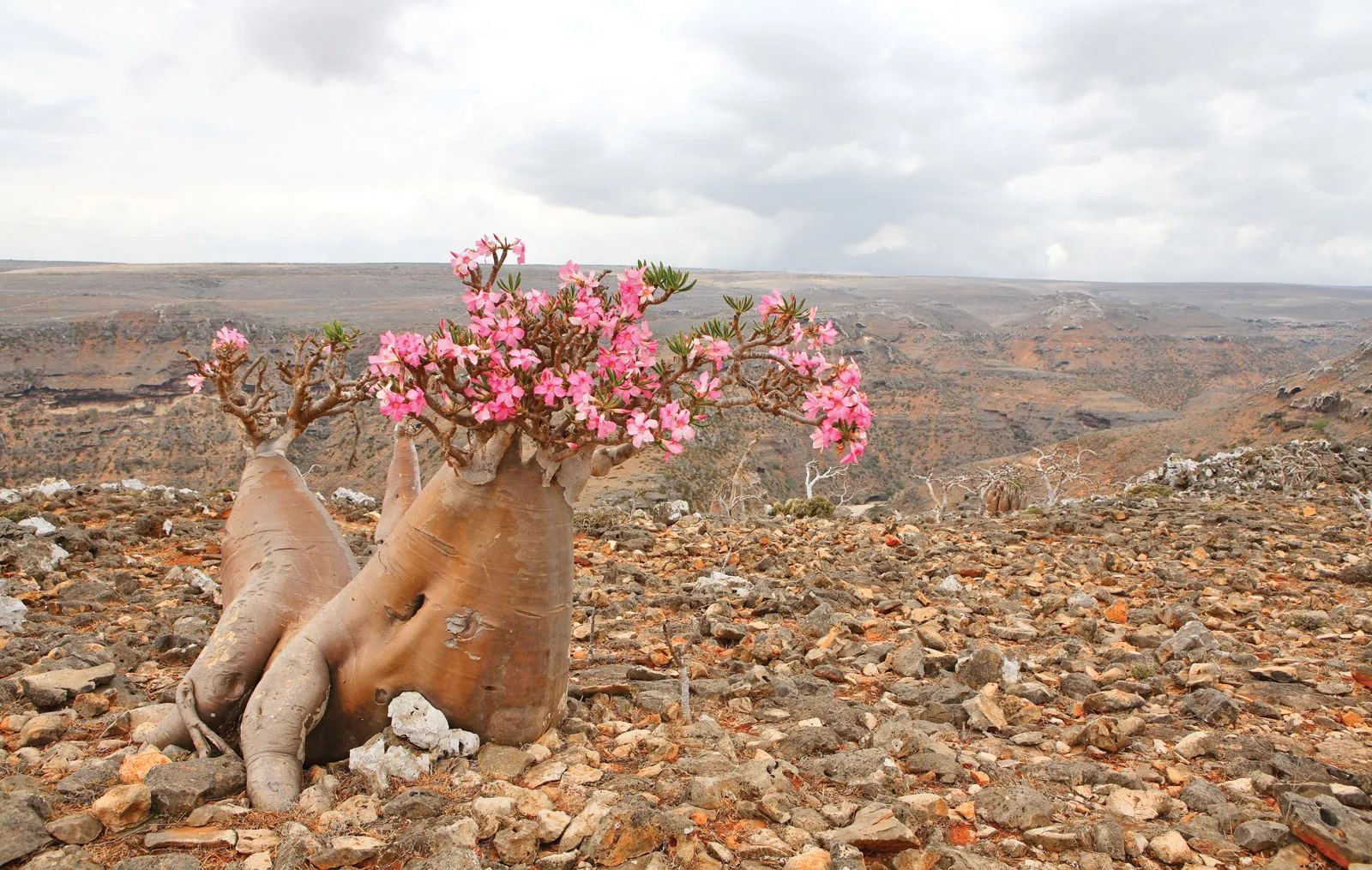
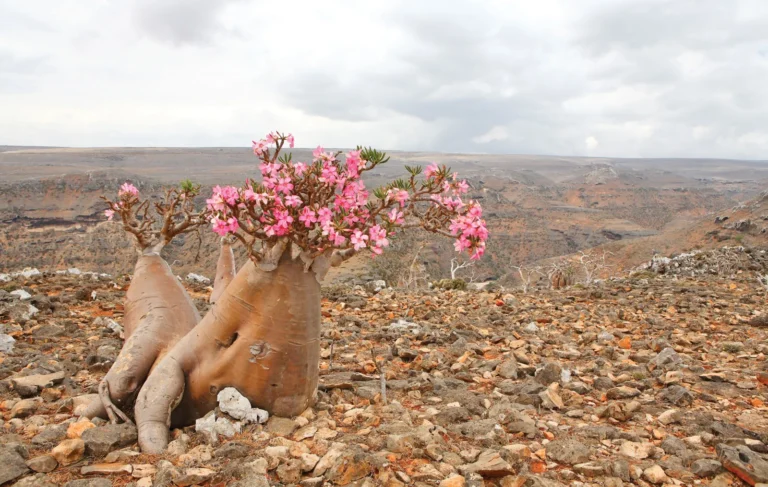
Abd al Kuri’s natural importance extends far beyond its scenery. Its isolation has contributed to the development of unusual plant and animal life, including species found nowhere else. One remarkable example is Euphorbia abdelkuri, a distinctive succulent plant native to the island. Its unusual appearance reflects the extraordinary ways in which life adapts to isolated environments.
The island is also associated with the Abd al-Kuri sparrow, a bird found in this small geographical area. Such species highlight why remote islands are important to scientists and conservationists: a habitat that appears harsh or sparsely vegetated can support biological treasures found nowhere else on Earth.
Abd al Kuri forms part of the wider Socotra Archipelago, internationally recognised for its exceptional biodiversity. The archipelago includes numerous endemic plants and animals, making it one of the most distinctive natural regions in the Indian Ocean. UNESCO designated the Socotra Archipelago a World Heritage Site in 2008 because of its remarkable biological diversity. Protecting this natural heritage requires careful management of human activities, including fishing, resource use and tourism.
For Abd al Kuri, the challenge is to preserve its ecological character without overlooking the needs of its residents. The growth of tourism can create opportunities for local communities, but poorly managed development can place additional pressure on fragile environments. On a remote island with limited infrastructure, even small increases in visitor numbers may require thoughtful planning, waste management and respect for local resources.
Reaching Abd al Kuri is itself part of what makes the destination unusual. It is not a conventional holiday stop with frequent transport connections and an extensive network of visitor services. Access generally requires advance arrangements for a boat journey from Socotra, and conditions at sea can affect travel plans. Anyone considering a visit must carefully investigate transport, permissions, accommodation and current security conditions before travelling.
The wider political and security situation in Yemen is another essential consideration. The island’s remoteness should not be confused with guaranteed safety, and travel feasibility can change. Visitors should consult current official travel advisories and reliable local operators before making arrangements.
For photographers, researchers and travellers interested in places beyond familiar tourist maps, Abd al Kuri presents an opportunity to explore a different side of the Indian Ocean. Its appeal is not built around entertainment or luxury but around dramatic geography, rare biodiversity and the stories of people whose lives remain closely tied to the sea.
Perhaps the most compelling aspect of Abd al Kuri is that it does not need to be transformed into a conventional tourist paradise to attract attention. Its rocky landscape, small fishing settlements and extraordinary natural heritage already tell a powerful story. The island reminds the world that some of the most fascinating destinations are not necessarily the most accessible or widely advertised.
In an era when popular beaches are crowded and remote locations are increasingly promoted as travel trends, Abd al Kuri stands apart as a place where isolation remains part of its identity. It is not entirely unknown, nor untouched by the wider world, but it continues to offer something rare: a destination whose greatest attraction is the chance to understand a landscape and community that exist far from the familiar rhythms of global tourism.








+ There are no comments
Add yours