






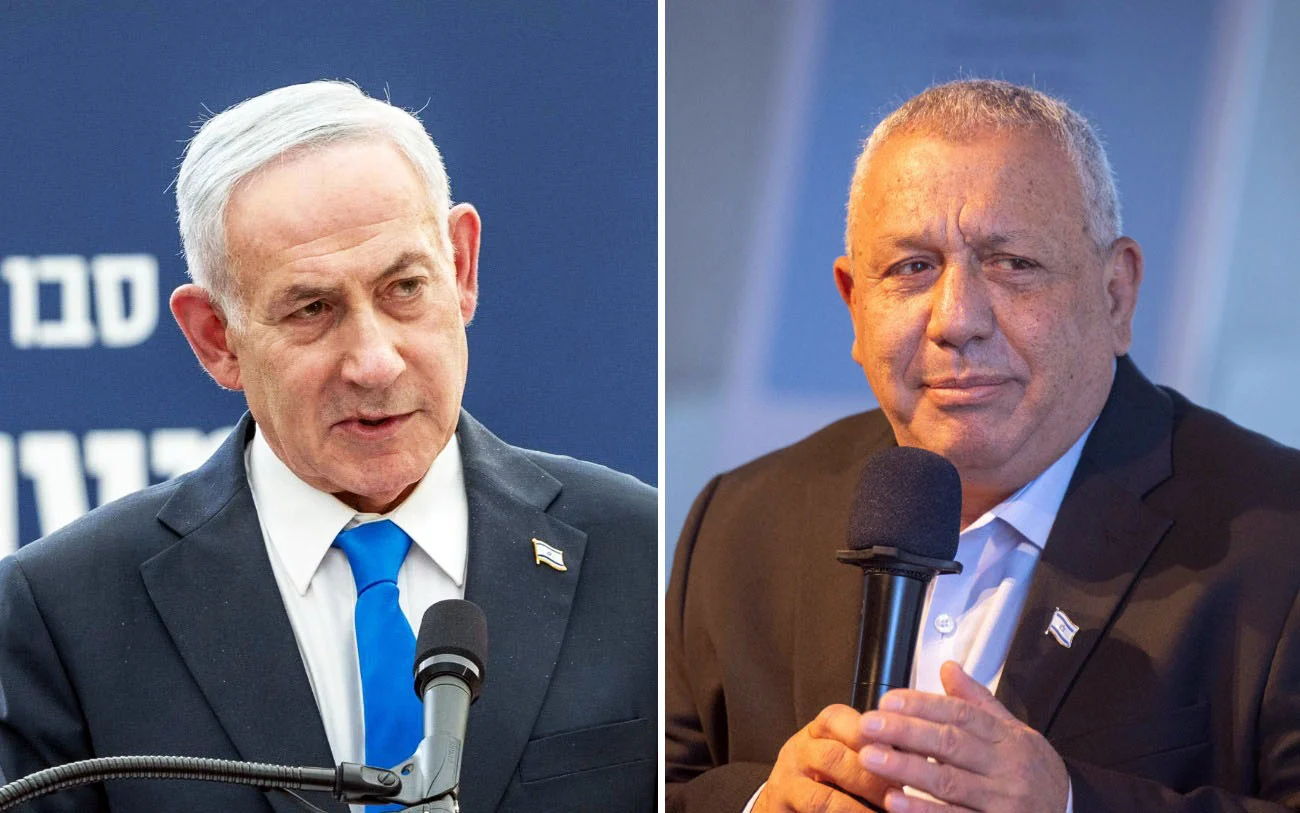
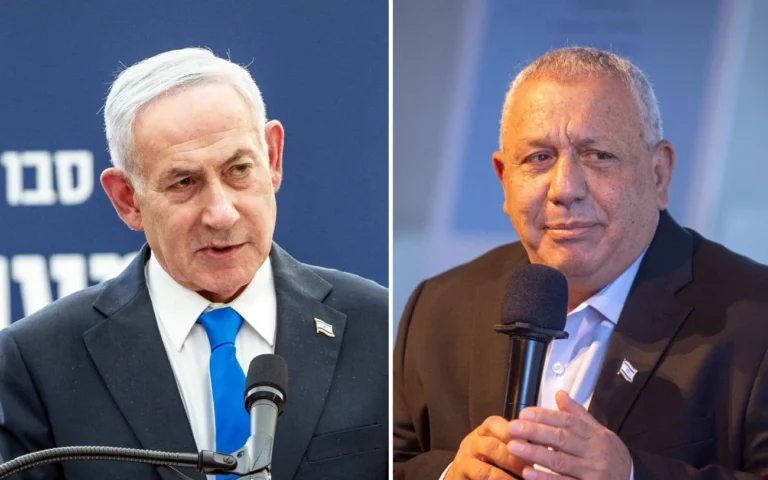
Israel has been plunged into a high-stakes political confrontation after Prime Minister Benjamin Netanyahu and his rival Gadi Eisenkot laid competing claims to the country’s leadership following an election that left the nation’s political future hanging in the balance. With neither side securing a clear path to a parliamentary majority, the battle for power has opened a new chapter of uncertainty in one of the Middle East’s most politically volatile countries.
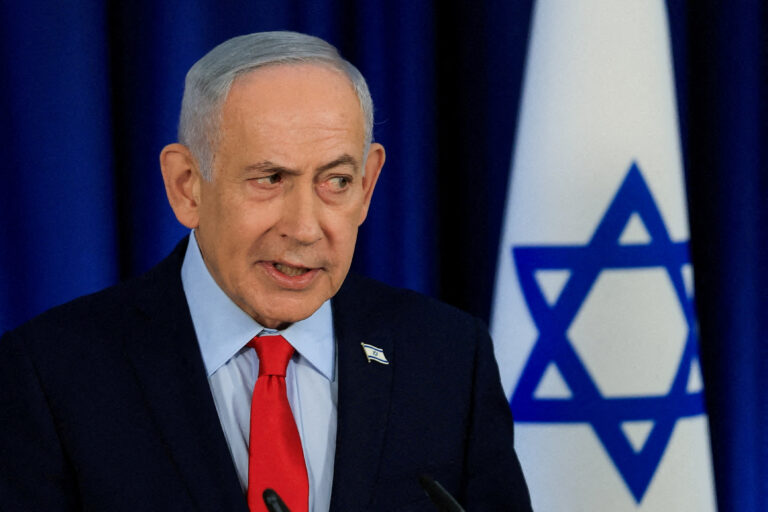
Netanyahu, Israel’s longest-serving prime minister, responded to the inconclusive result by calling for the formation of what he described as a “strong, right-wing national government.” His declaration signalled that he intends to remain at the centre of Israeli politics despite mounting pressure from his opponents and the absence of a decisive electoral mandate.
Eisenkot, however, delivered a sharply contrasting message, arguing that voters had rejected Netanyahu’s continued leadership and demanding that the veteran politician retire from public life. His challenge has intensified the confrontation between the rival camps, transforming the aftermath of the election into a struggle over not only who governs Israel, but also the country’s political direction.
Yet neither leader has emerged with a clear route to victory. Exit polls indicated that the competing political blocs were deadlocked, leaving coalition negotiations likely to determine the next government. In Israel’s parliamentary system, where governments depend on securing support from a majority of lawmakers, the inability to assemble a governing coalition can prolong political uncertainty even after voters have cast their ballots.
The deadlock raises the possibility of difficult negotiations among rival parties, with political alliances and competing policy priorities potentially proving decisive. Until a viable coalition emerges, questions will remain over the government’s future leadership and its ability to navigate mounting domestic and international challenges.
Eisenkot has also warned Netanyahu against politicising Israel’s national security, placing the country’s security priorities at the heart of the political dispute. The warning carries particular significance as Israel continues to confront a tense regional environment in which military decisions, diplomatic relationships and internal political stability remain closely intertwined.
For Netanyahu, the election aftermath represents another critical test of his ability to maintain political influence. For Eisenkot, the immediate challenge is to translate his claim of public rejection into a workable parliamentary alternative.
Neither side has secured the decisive breakthrough needed to end the standoff. As rival leaders dig in and negotiations loom, Israel faces a consequential question: can its deeply divided political establishment produce a stable government, or will the struggle for leadership prolong the uncertainty gripping the country?
The election has delivered no clear winner, but it has unmistakably intensified the battle for Israel’s future.






+ There are no comments
Add yours