





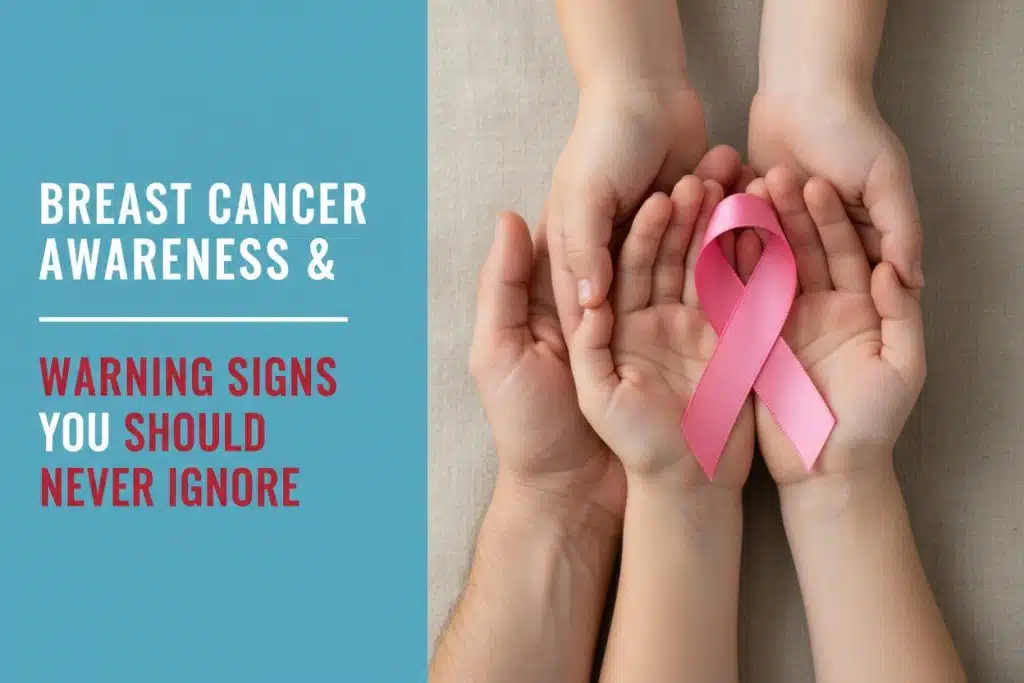
Breast cancer remains one of the most common cancers affecting women worldwide, touching millions of lives and families each year. Yet early detection, timely medical care and greater awareness can significantly improve outcomes. Understanding the warning signs, recognising potential risk factors and knowing how to care for breast health are essential steps in reducing the impact of this disease.
Breast cancer develops when abnormal cells in breast tissue grow uncontrollably and form a tumour. Although it primarily affects women, men can also develop the disease. It can occur at almost any age, but the risk generally increases as people get older. A family history of breast cancer, certain inherited genetic changes, previous radiation exposure to the chest and some hormonal and reproductive factors can increase risk. However, many people diagnosed with breast cancer have no known family history or obvious risk factors.
One of the most important warning signs is a new lump or thickening in the breast or underarm. Other changes may include a difference in breast size or shape, dimpling or irritation of the skin, redness, changes in the nipple, a nipple that turns inward unexpectedly or unusual discharge, particularly if it contains blood. Persistent pain in one area of the breast can also require medical assessment, although breast pain alone is commonly caused by conditions other than cancer. Some breast cancers cause no noticeable symptoms, making recommended screening important.
Anyone who notices a new or unusual breast change should seek medical advice promptly rather than waiting for it to disappear. Most breast lumps are not cancerous, but only a proper medical evaluation can determine the cause. Assessment may involve a clinical examination, diagnostic imaging such as mammography or ultrasound, and a biopsy if necessary. Early investigation can reduce delays in diagnosis and treatment.
Caring for breast health begins with understanding what is normal for your body. Being familiar with the usual appearance and feel of your breasts can help you notice changes. Regular physical activity, maintaining a healthy weight, limiting alcohol consumption and avoiding smoking support overall health and may help reduce cancer risk. Breastfeeding, where possible and desired, is also associated with a lower risk of breast cancer. However, no lifestyle measure can guarantee prevention, and developing breast cancer does not mean someone has done something wrong.
Screening is another important part of prevention and early detection. Mammography can identify some cancers before a lump becomes noticeable. The appropriate age to begin screening and how often to undergo it depend on national guidelines, personal risk and medical history. People with a strong family history or known inherited genetic risk may need earlier or more specialised assessment, so discussing individual needs with a healthcare professional is important.
For those diagnosed with breast cancer, treatment depends on the type and stage of the disease and may include surgery, radiation therapy, hormone therapy, chemotherapy or targeted medicines. Advances in diagnosis and treatment have improved outcomes for many patients. Emotional support is equally important. Family, friends, counselling services and patient-support groups can help people cope with fear, uncertainty and the demands of treatment.
Breast cancer awareness must extend beyond a single campaign or month. It means making reliable information accessible, encouraging people to seek care without shame and improving access to screening and treatment. A simple decision to investigate an unusual change, attend a recommended screening appointment or support someone through diagnosis can make a meaningful difference. Awareness cannot eliminate breast cancer, but informed action and timely medical care can help save lives.







+ There are no comments
Add yours