






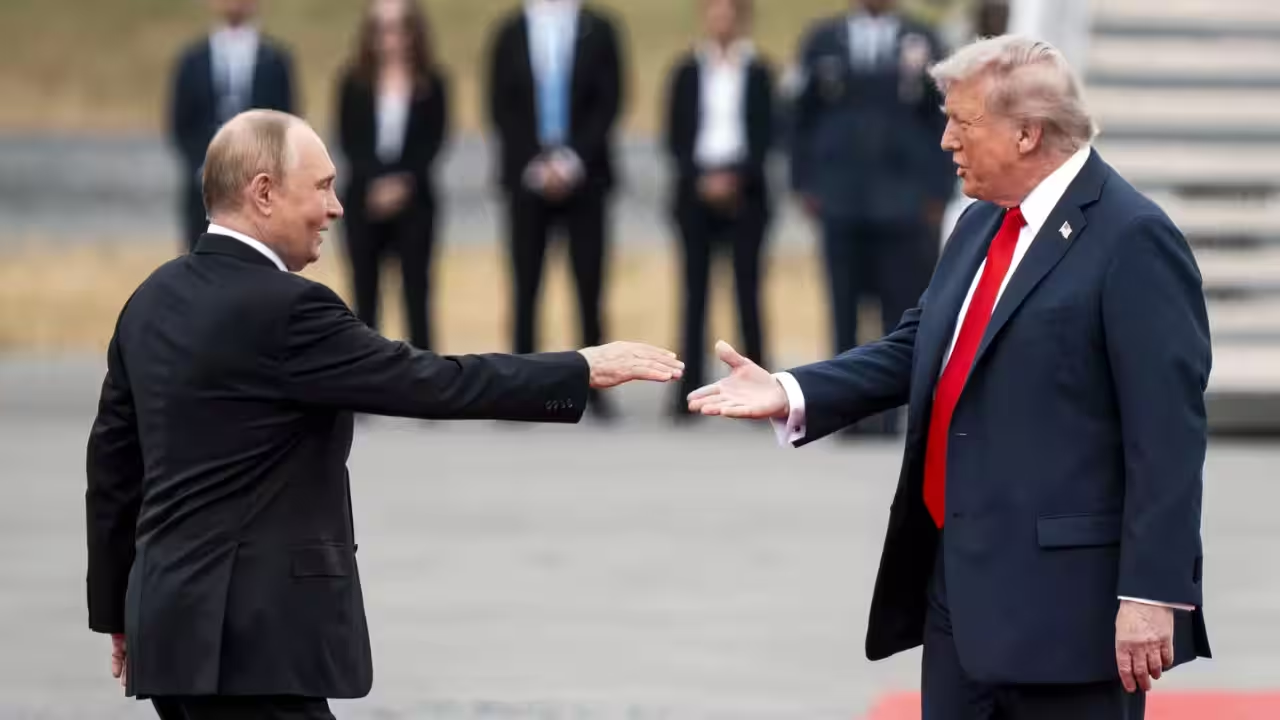
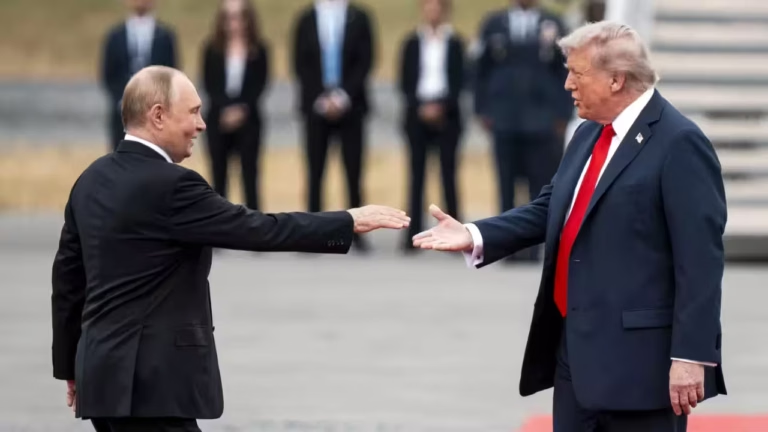
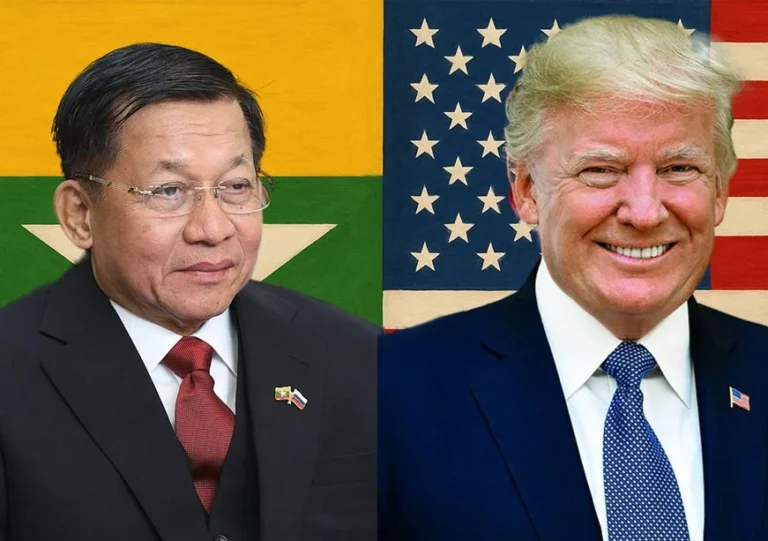
U.S. President Donald Trump has announced a deal under which Russia will supply diesel to global markets, as rising fuel prices put pressure on his administration ahead of crucial congressional elections next month.
Trump said on Friday that Russia had agreed to provide 300,000 metric tons of diesel immediately, with additional supplies expected later. The announcement came alongside a temporary lifting of U.S. sanctions on Russian fuel, marking a significant shift in Washington’s efforts to restrict Moscow’s energy revenues over its war in Ukraine.
The move comes at a politically sensitive moment for Trump and his fellow Republicans, who are preparing for the November 3 midterm elections. The party faces the challenge of maintaining its narrow control of Congress, with fuel costs emerging as a potential liability for the administration.
Diesel prices in the United States reached $6.28 a gallon on Thursday, according to the American Automobile Association, placing further pressure on businesses and households already dealing with elevated transportation and operating costs.
Diesel is essential to the American economy, powering freight trucks, agricultural machinery and other vehicles that keep goods moving across the country. It is also widely used for heating, meaning prolonged price increases can affect consumers well beyond the transport sector.
Prices fell following Trump’s announcement, offering some immediate relief to markets. However, analysts cautioned that the agreement might not be sufficient to sustain lower prices, particularly if wider supply pressures continue to affect global energy markets.
The decision to ease restrictions on Russian fuel also raises questions about the balance between domestic economic priorities and Washington’s policy toward Moscow. The United States has sought to limit Russia’s ability to finance its military campaign in Ukraine through energy revenues, making any relaxation of sanctions politically contentious.
Ukrainian President Volodymyr Zelenskiy criticised the move, saying that concessions to Russian President Vladimir Putin would not bring peace. His remarks highlighted the diplomatic tensions surrounding the agreement as Washington seeks to address domestic fuel costs.
For Trump, the immediate test will be whether additional diesel supplies can translate into lasting relief for American consumers and businesses. With voters preparing to head to the polls, the administration’s handling of energy prices could become an important factor in the political battle over control of Congress.







+ There are no comments
Add yours