






There is a hidden world inside the human body that may be quietly responding to almost everything we do. What we eat, how often we move, how well we sleep and even how we cope with stress can influence the environment inside our digestive system — home to trillions of microorganisms collectively known as the gut microbiome.
For years, gut health was largely associated with digestion. Today, scientists are taking a much broader view. Research into the microbiome is examining its relationship with immune function, metabolism and the complex communication between the gut and brain.
The science is still developing, but one thing is becoming increasingly clear: gut health is not determined by a single food or wellness product. It is closely connected to everyday habits.
Diet is perhaps the most visible piece of the puzzle.
A varied diet containing vegetables, fruits, beans, lentils, whole grains, nuts and seeds provides dietary fibre, which many gut microorganisms can use. Eating a diverse range of plant foods may help support a diverse microbial community, while diets that are consistently low in fibre can provide fewer of these resources.
That is one reason nutrition experts increasingly emphasize dietary patterns rather than so-called miracle foods.
The growing popularity of fermented foods has also pushed gut health into the mainstream. Foods such as yoghurt, kefir, kimchi and sauerkraut can contain live microorganisms, although their microbial content varies considerably. They can be part of a balanced diet, but no single fermented food can guarantee better gut health.
Then comes movement.
Regular physical activity is already known to support cardiovascular health, mental wellbeing and metabolic health. Research has also found associations between exercise and the composition of the gut microbiome. Scientists are continuing to investigate whether these changes directly contribute to health benefits or are partly explained by other lifestyle factors.
Sleep may be another piece of the puzzle.
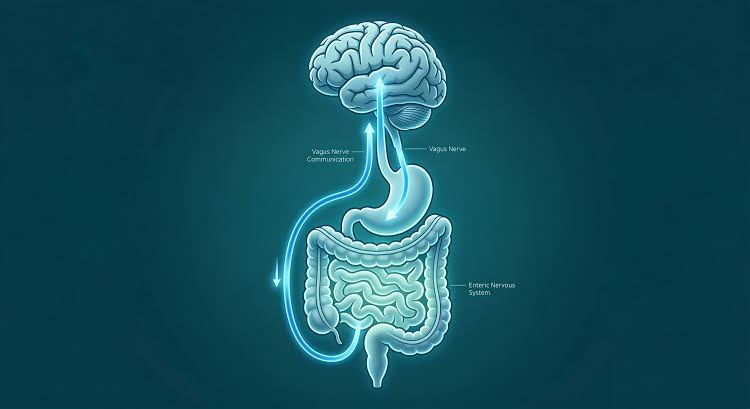
The digestive system does not operate in isolation from the rest of the body. The gut and brain communicate through a complex network known as the gut-brain axis. Disrupted sleep and prolonged stress can affect digestion and may also influence the gut environment.
This does not mean that every stomach problem is caused by stress, or that improving the microbiome will automatically improve mood. The relationship is far more complicated. But it highlights how closely different aspects of daily life can interact.
Hydration also deserves attention. Adequate fluid intake supports normal digestion and can be particularly important for people increasing their fibre intake.
Yet the growing fascination with gut health comes with a warning: wellness trends can sometimes move faster than scientific evidence.
Supplements, restrictive diets and dramatic “gut cleanses” are frequently promoted online, but there is no universal reset that can instantly transform the microbiome. The human gut is extraordinarily complex, and what benefits one person may not necessarily have the same effect on another.
Digestive symptoms also should not automatically be blamed on an unhealthy microbiome. Persistent abdominal pain, significant changes in bowel habits, unexplained weight loss or other concerning symptoms can have many causes and may require professional medical evaluation.
The most useful message from the gut-health revolution may therefore be surprisingly simple.
Rather than searching for a miracle solution, pay attention to the habits repeated day after day: eat a varied, fibre-rich diet, stay physically active, get adequate sleep, drink enough fluids and find sustainable ways to manage stress.
The microscopic community inside the gut may be invisible, but the lifestyle surrounding it is anything but. The story of gut health may ultimately be less about one trendy food and more about the everyday choices that quietly shape our health over time.








+ There are no comments
Add yours