






After years of being encouraged to work harder, move faster and turn every spare moment into an opportunity for productivity, a growing number of Gen Z consumers are embracing a very different philosophy: slow down, simplify and live more deliberately.
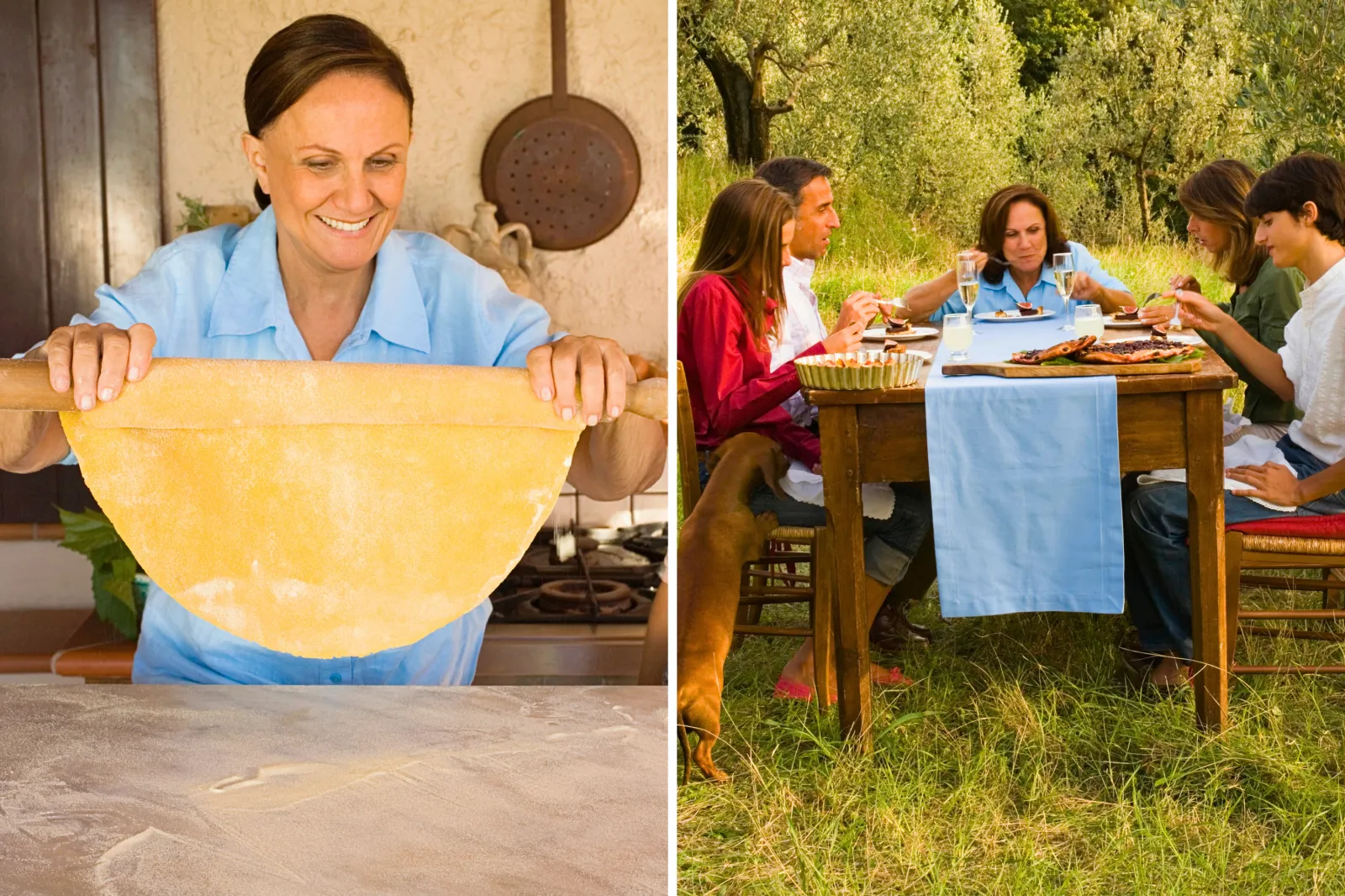
The latest expression of that shift is “nonna maxxing,” a social-media lifestyle trend inspired by the everyday habits traditionally associated with grandmothers. From cooking meals at home and growing herbs to mending clothes, reading, gardening and creating a calm household routine, the movement presents old-fashioned domestic rituals as a modern form of wellbeing.
The appeal goes beyond nostalgia. For a generation that has grown up surrounded by smartphones, constant notifications and an increasingly demanding online culture, traditional routines offer a sense of stability and control. Activities that were once considered ordinary preparing food from scratch, maintaining a home, writing by hand or spending an uninterrupted afternoon with family are being rediscovered as meaningful alternatives to digital overstimulation.
At the heart of the trend is a rejection of the idea that every activity must produce measurable results. Hustle culture has long promoted the belief that success requires constant optimisation, whether through additional work, fitness routines, personal branding or side businesses. Nonna maxxing challenges that mindset by placing value on activities that may have no financial or professional reward at all.
The movement also reflects changing attitudes toward consumption. Repairing clothes instead of replacing them, cooking rather than ordering food and making use of what is already available can encourage a more considered approach to spending. For younger consumers facing high living costs, these habits can be both emotionally comforting and financially practical.
Social media has played a major role in turning these simple routines into a recognisable aesthetic, with images of home-cooked meals, traditional recipes, knitted garments, flower gardens and quiet interiors circulating widely online. Yet beneath the aesthetic is a broader cultural shift: a growing desire to reclaim time from the pressure to constantly perform.
“Nonna maxxing” does not necessarily mean abandoning ambition or modern life. Instead, it suggests that productivity does not have to define every part of it.
For Gen Z, the new status symbol may be something far less complicated than success on paper: a peaceful home, a meal made slowly, meaningful relationships and enough time to enjoy them.










+ There are no comments
Add yours