






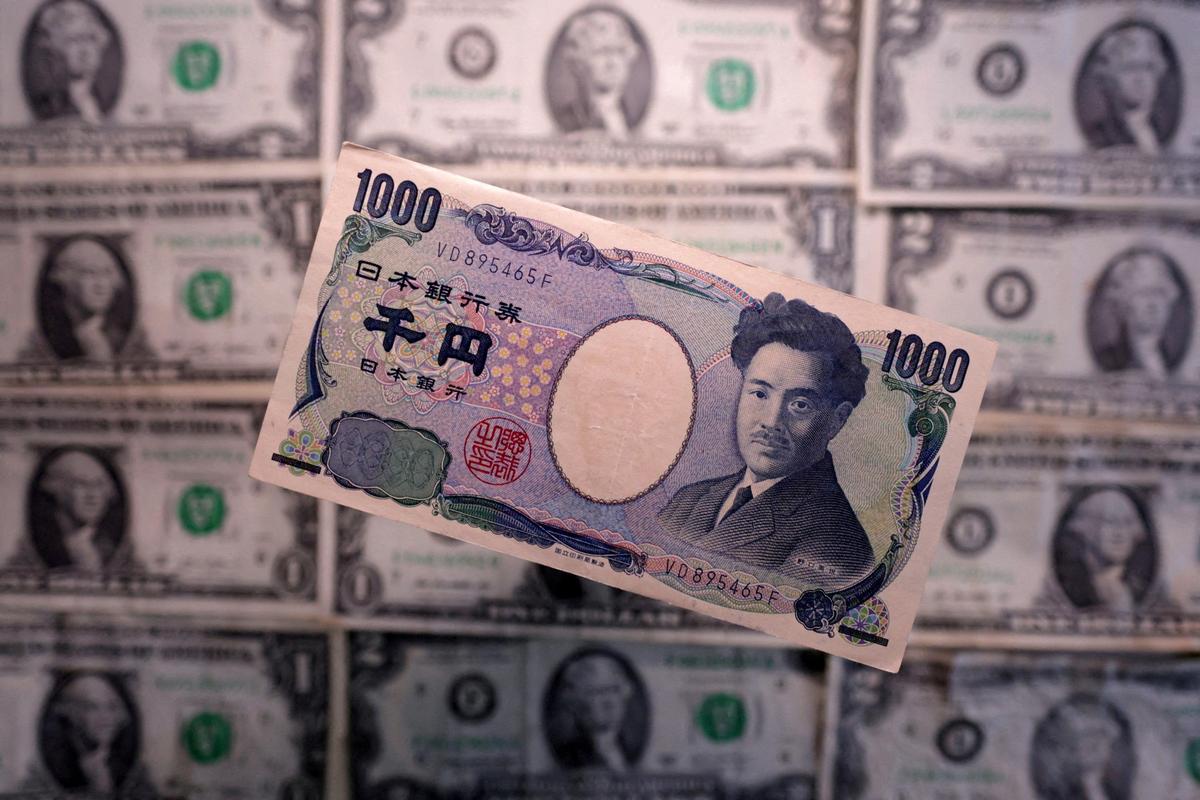
Japan and the United States have confirmed that they jointly intervened in the foreign exchange market to support the Japanese yen, marking a significant step in efforts to stabilize currency markets after months of sharp volatility. The coordinated action comes as the yen has faced sustained downward pressure against the U.S. dollar, raising concerns over rising import costs, inflation, and the broader impact on Japan’s economy. Officials from both countries indicated that they remain prepared to take additional measures if market conditions become excessively volatile or speculative trading threatens financial stability.
The intervention involved the purchase of yen and the sale of U.S. dollars in international currency markets, a move designed to strengthen the Japanese currency and restore confidence among investors. Coordinated interventions between Tokyo and Washington are relatively rare and are generally viewed as a strong signal that authorities are committed to preventing disorderly movements in exchange rates. Financial analysts noted that such joint action carries greater credibility than unilateral intervention because it demonstrates policy alignment between two of the world’s largest economies.
Japanese Finance Minister Katsunobu Kato said the authorities would continue to closely monitor developments in the foreign exchange market and would not hesitate to respond if excessive currency fluctuations persisted. U.S. Treasury officials also acknowledged the intervention, emphasizing that exchange rate stability remains important for global financial markets and that both governments remain in close consultation regarding economic and monetary developments.
The weakening yen has been driven largely by the gap between Japanese and U.S. interest rates. While the Federal Reserve has maintained relatively high borrowing costs to contain inflation, Japan has only gradually moved away from years of ultra-loose monetary policy. This divergence has encouraged investors to shift capital toward higher-yielding dollar-denominated assets, putting continued pressure on the yen.
A weaker yen has produced mixed effects for Japan’s economy. Export-oriented companies often benefit because overseas earnings become more valuable when converted into yen. However, households and businesses have faced rising costs for imported energy, food, and raw materials, contributing to higher consumer prices and increasing pressure on domestic spending. Economists believe sustained currency weakness could undermine consumer confidence and complicate Japan’s economic recovery.
Following confirmation of the joint intervention, financial markets responded with renewed attention to future policy decisions. Investors will now closely watch upcoming statements from both governments, as well as central bank actions, for signs of further coordinated measures. Analysts believe the intervention sends a clear message that Japan and the United States are prepared to act together to preserve orderly market conditions and reduce excessive currency volatility if necessary.









+ There are no comments
Add yours