







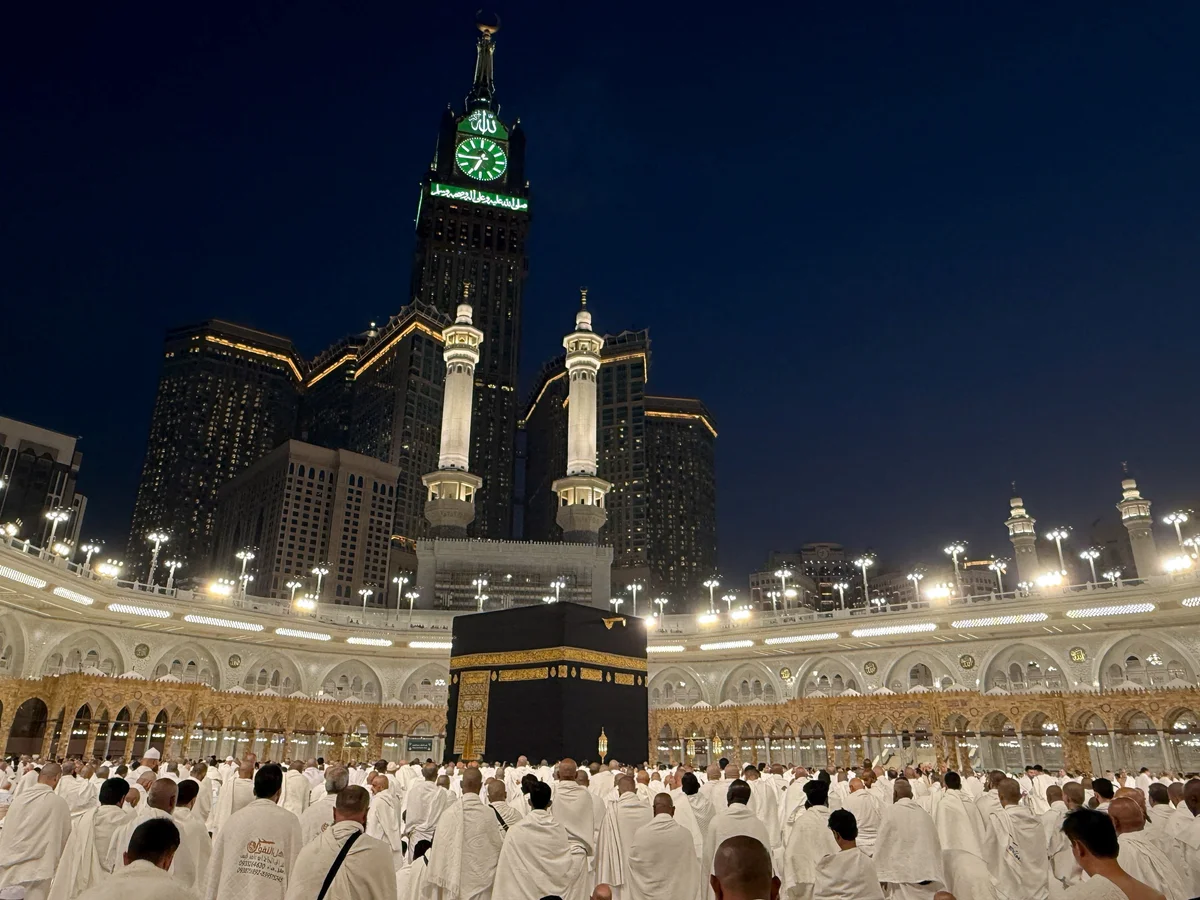
Saudi Arabia has intercepted and destroyed a drone south of Mecca that the Saudi-led military coalition says was launched by Yemen’s Houthi movement, marking a significant escalation in fighting as the wider Middle East conflict continues to spread across the region.
Saudi air defenses brought down the drone on Tuesday evening before it entered the restricted airspace surrounding Mecca, according to coalition spokesman Turki al-Maliki. The incident prompted security alerts in Mecca and surrounding areas and has placed renewed attention on the protection of Islam’s holiest city amid the intensifying regional conflict.
Al-Maliki said the security of Mecca, the Two Holy Mosques and pilgrims was a “red line” for Saudi Arabia and warned that the coalition would take measures to deter further attacks. Saudi authorities described the incident as the second reported Houthi attempt to target Mecca, following a 2017 ballistic missile incident that Saudi Arabia also attributed to the group.
The Houthis, however, have rejected the Saudi account. A Houthi military source told the group’s SABA news agency that the movement posed no threat to Mecca or other Islamic holy sites and denied that its forces had directed an attack toward the city. That denial is an important part of the developing story, as the reported direction and intended target of the drone have not been independently established.
The incident came after Saudi Arabia issued security alerts across several parts of the kingdom, including Mecca, Jeddah and Taif, following a series of attacks by Iran-aligned forces. The alert in Mecca was reportedly lifted shortly after it was issued, but its activation underscored the growing security concerns surrounding the holy city.
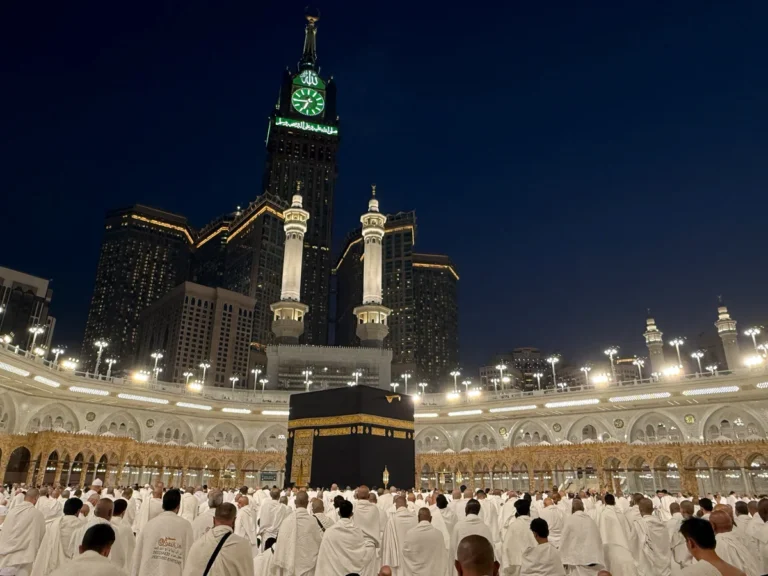
Mecca holds exceptional religious importance for Muslims around the world. The city is home to the Kaaba at the Grand Mosque and is the destination of the annual Hajj pilgrimage. Millions of Muslims also travel to the city throughout the year to perform Umrah.
The security situation therefore carries implications beyond the immediate Saudi-Houthi conflict. Any sustained threat around Mecca could have consequences for pilgrimage security, regional diplomacy and the broader political response to the expanding conflict.
The latest confrontation is part of a sharp deterioration in relations between Saudi Arabia and the Houthis after a period in which attacks on Saudi territory had largely subsided. A UN-brokered truce in April 2022 significantly reduced Houthi attacks on Saudi Arabia, but hostilities have intensified again in recent weeks.
The Houthis have claimed responsibility for several recent attacks against Saudi targets, while Saudi Arabia has accused the group of attacking civilian and economic infrastructure. The latest escalation has included attacks affecting Saudi cities and military facilities, while Saudi forces have continued carrying out strikes in Yemen.
The conflict also has a wider economic dimension because of the geography involved. The Houthis control territory along parts of Yemen’s Red Sea coast near the Bab el-Mandeb Strait, one of the world’s most important maritime chokepoints. The waterway connects the Red Sea with the Gulf of Aden and is critical to international shipping and energy trade.
The renewed fighting comes at a particularly sensitive moment for Saudi Arabia because disruptions elsewhere in the region have already placed pressure on alternative routes for the kingdom’s oil exports. Saudi Arabia has been seeking to maintain access to global markets as the conflict surrounding the Strait of Hormuz has disrupted established energy routes.
The Saudi-Houthi confrontation is consequently no longer confined to the battlefield in Yemen. The potential impact extends to shipping, oil supplies, regional security and international diplomacy.
Saudi Crown Prince Mohammed bin Salman has also been seeking regional support as the security situation deteriorates. On Wednesday, he met Egyptian President Abdel Fattah el-Sisi in Cairo, with both sides stressing the importance of maritime security and freedom of navigation in the Red Sea and Bab el-Mandeb. Egypt expressed support for Saudi Arabia, although no specific military commitment was announced.
The involvement of Egypt is significant because of its position in the Arab world and its strategic interest in Red Sea security. The Suez Canal is a major international trade route, meaning prolonged instability around the Red Sea could create economic risks well beyond Saudi Arabia and Yemen.
The Organization of Islamic Cooperation has also condemned the reported incident, reflecting the wider sensitivity surrounding any security threat near Mecca and other Islamic holy sites.
For Saudi Arabia, the immediate priority is preventing further attacks from reaching populated areas and protecting the country’s critical infrastructure. For the Houthis, the renewed campaign against Saudi targets represents a major expansion of the group’s military activity amid the wider regional confrontation.
The situation remains fluid, and the competing Saudi and Houthi accounts mean that some details about the intended target of the intercepted drone remain disputed. What is clear is that the incident has added another dangerous dimension to an already escalating Middle East conflict.
With Mecca now at the centre of the latest security alert, Saudi Arabia faces increased pressure to protect its holy sites while responding to attacks from the Houthis without allowing the confrontation to expand further. At the same time, the wider conflict is placing additional strain on regional shipping and energy infrastructure.
The interception of the drone near Mecca therefore represents more than another episode in the Saudi-Houthi conflict. It is a sign of how rapidly the regional security environment is changing, with the consequences potentially reaching religious sites, international shipping lanes, energy markets and diplomatic relations across the Middle East.





+ There are no comments
Add yours