






Asian financial markets were navigating a new interest-rate environment on Thursday as investors assessed the impact of the U.S. Federal Reserve’s first rate increase in more than three years, while attention turned toward the Bank of Japan and the future direction of monetary policy across the region.
The Federal Reserve raised its benchmark interest rate by 25 basis points to a range of 3.75% to 4%, marking its first rate increase since 2023. The move came as U.S. policymakers continue to confront inflation that remains above the central bank’s long-term target. The Fed also signalled the possibility of another increase later this year.
The decision immediately influenced global financial markets. The U.S. dollar strengthened against major currencies, while short-term Treasury yields rose as investors increased their expectations for additional interest-rate increases. The stronger dollar also created pressure for commodities priced in the U.S. currency, including oil.
Asian equities were mixed as investors weighed the higher U.S. borrowing costs against the possibility that the Fed’s decision could help bring inflation under control. Japan’s Nikkei recorded gains, while South Korea’s Kospi also moved higher. Chinese mainland shares and Hong Kong stocks, however, experienced declines during the session.
Japan was one of the key markets attracting investor attention because the Bank of Japan is preparing for its own policy decision. The BOJ is widely expected to raise its policy rate to 1.25%, which would take the rate to its highest level in more than three decades.
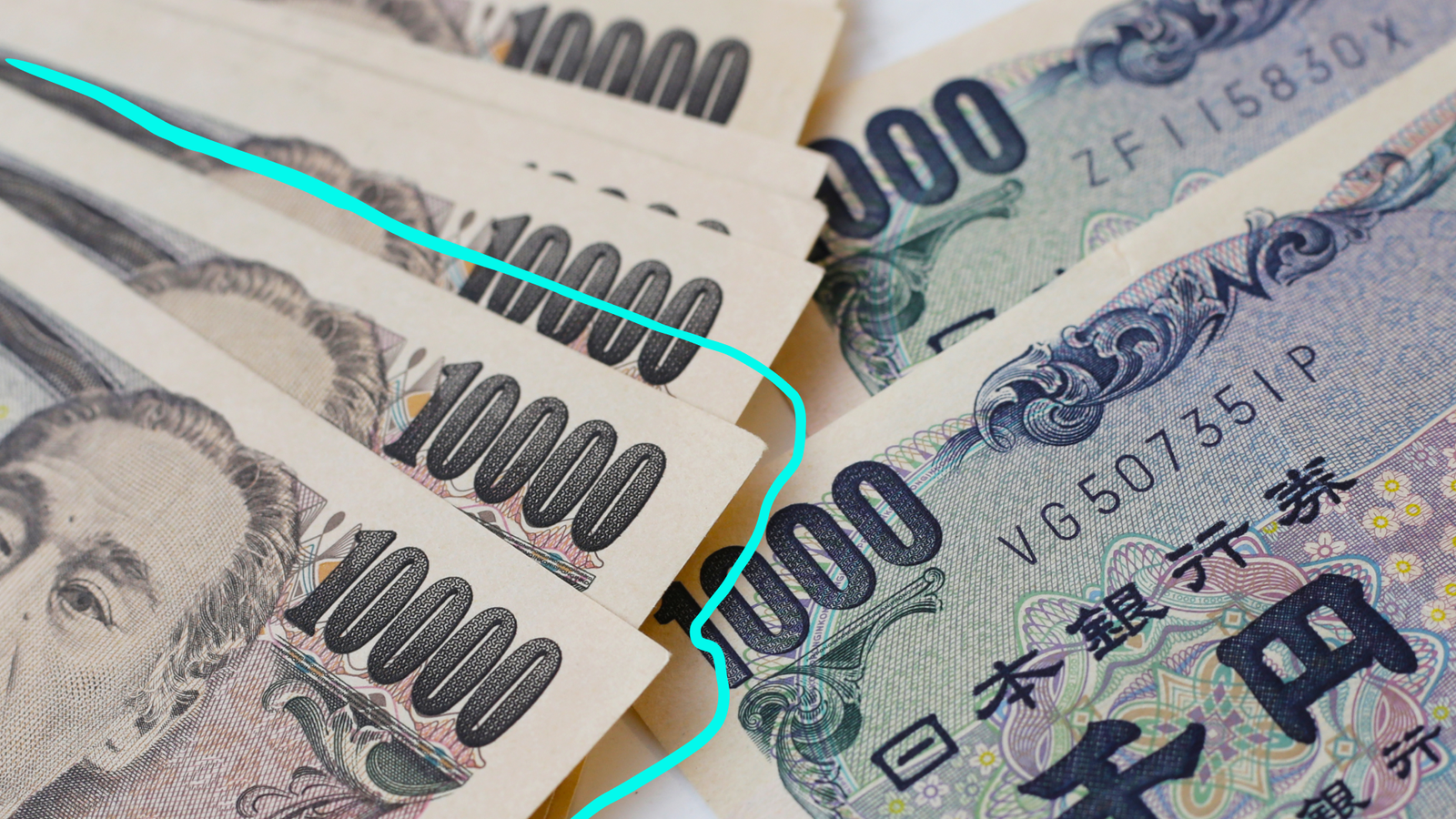
The yen has become particularly sensitive to expectations surrounding the Japanese central bank. The currency had recently strengthened sharply as traders anticipated faster monetary tightening in Japan, but it weakened again following the Federal Reserve’s decision.
The yen fell to around 155.50 per dollar on Thursday, after previously reaching a seven-month high of 152.89. Japanese officials reiterated their commitment to maintaining orderly currency movements and said authorities remained prepared to respond to excessive volatility.
Japan’s government is also watching the currency closely. Prime Minister Sanae Takaichi retained Finance Minister Satsuki Katayama in a cabinet reshuffle, providing continuity on economic and exchange-rate policy. Katayama was involved in negotiations with U.S. Treasury Secretary Scott Bessent surrounding the joint U.S.-Japan yen intervention in July.
The developments highlight the complicated position facing the Bank of Japan. Higher interest rates could help address inflationary pressures and support the yen, but tighter monetary policy can also increase borrowing costs for households and businesses.
The difference between U.S. and Japanese interest rates remains an important factor for currency investors. When U.S. yields rise relative to Japanese yields, investors may have greater incentive to hold dollar-denominated assets. A more aggressive BOJ policy, however, could narrow that gap and potentially influence capital flows.
Japan is not the only Asian economy affected by the Fed’s decision. India’s rupee is also under pressure as the stronger dollar and higher U.S. rates increase challenges for emerging-market currencies.
The Indian rupee was expected to face additional pressure after the Federal Reserve’s rate increase, with traders watching the 96-per-dollar level. The currency is already dealing with elevated oil prices and foreign portfolio outflows, although potential investment flows from India’s planned National Stock Exchange IPO and possible Reserve Bank of India intervention could provide some support.
For Asian businesses, higher global interest rates can have several consequences. Companies that rely on foreign borrowing may face higher financing costs, while businesses importing goods priced in dollars can see expenses rise when local currencies weaken.
At the same time, exporters may benefit in some circumstances from weaker domestic currencies because their products can become more competitive internationally. The impact therefore varies significantly across economies and individual companies.
Commodity markets are also being affected by the changing interest-rate environment. The stronger dollar has put pressure on oil prices, while gold has remained relatively resilient despite higher U.S. yields. Investors are closely watching energy markets because geopolitical tensions and disruptions to supply routes remain important sources of inflation risk.
For Asian policymakers, the situation creates a difficult balance. Central banks need to manage inflation while avoiding excessive pressure on economic growth. Currency stability has also become increasingly important because large swings in exchange rates can raise import costs and complicate monetary policy.
The Bank of Japan’s decision is therefore likely to receive particular attention from financial markets. Investors will not only examine whether the central bank raises rates but also look for signals about how quickly officials may tighten policy in the future.
The yen’s recent movements demonstrate how quickly currency expectations can change. Earlier this month, the Japanese currency experienced a sharp rally as traders anticipated a BOJ rate increase. The latest decline following the Fed decision shows that expectations for U.S. monetary policy remain an important force in determining the yen’s direction.
Meanwhile, investors across Asia are also watching China’s markets, South Korea’s technology sector and India’s currency and equity markets for signs of how businesses are responding to the new global rate environment.
The immediate reaction has not been uniform. Some Asian stock markets have risen despite the Fed’s decision, while others have declined. That mixed performance reflects the different economic conditions facing individual countries rather than a single regional market trend.
The broader question for Asian markets is how long global interest rates will remain elevated. If inflation continues to pressure central banks, borrowing costs could remain high for longer, affecting corporate investment, property markets, consumer spending and international capital flows.
For now, investors are turning their attention from Washington to Tokyo. The Federal Reserve has made its first rate increase in more than three years, and the Bank of Japan is expected to make another important decision of its own.
The combination of higher U.S. rates, a closely watched Japanese policy shift and pressure on Asian currencies is creating a new environment for businesses and investors across the region. Markets are likely to remain sensitive to central-bank decisions, inflation data, currency movements and energy prices as policymakers attempt to balance price stability with economic growth.









+ There are no comments
Add yours