






General Motors is stepping up efforts to develop next-generation battery technology in the United States as the automaker looks to reduce its dependence on China and build a more domestically sourced supply chain for electric vehicles and energy storage systems.
GM is currently in the early stages of developing new battery cells that could rely more heavily on materials available in the United States. The strategy comes as supply-chain security and dependence on Chinese battery technology have become increasingly important issues for American automakers and policymakers.
Kurt Kelty, GM’s vice president of battery and sustainability, said the company is working toward establishing a domestic supply chain over the next two to three years. The goal is to ensure that when the new technology reaches the market, GM will have access to U.S.-based sources for battery production.
The company’s efforts extend beyond electric vehicles. GM is also developing batteries for energy storage systems, known as ESS, which can provide electricity storage for homes, businesses and large facilities such as data centers. Demand for energy storage has grown as businesses and technology companies seek reliable power infrastructure to support expanding electricity needs.
One of GM’s key initiatives involves sodium-ion batteries. The automaker has partnered with Denver-based startup Peak Energy to develop sodium-ion battery cells for energy storage applications. The technology could reduce reliance on materials that China currently dominates, while making greater use of more widely available resources in the United States.
Sodium-ion technology uses sodium, a material that can be sourced from soda ash, rather than relying as heavily on lithium-based materials. This could provide GM with another route toward reducing supply-chain risks while developing battery systems suited to specific energy storage applications.
GM expects commercial production of sodium-ion battery cells with Peak Energy to begin around 2029. Until then, the company will continue producing and developing other battery chemistries for energy storage systems and electric vehicles, some of which still depend to varying degrees on materials sourced from China.
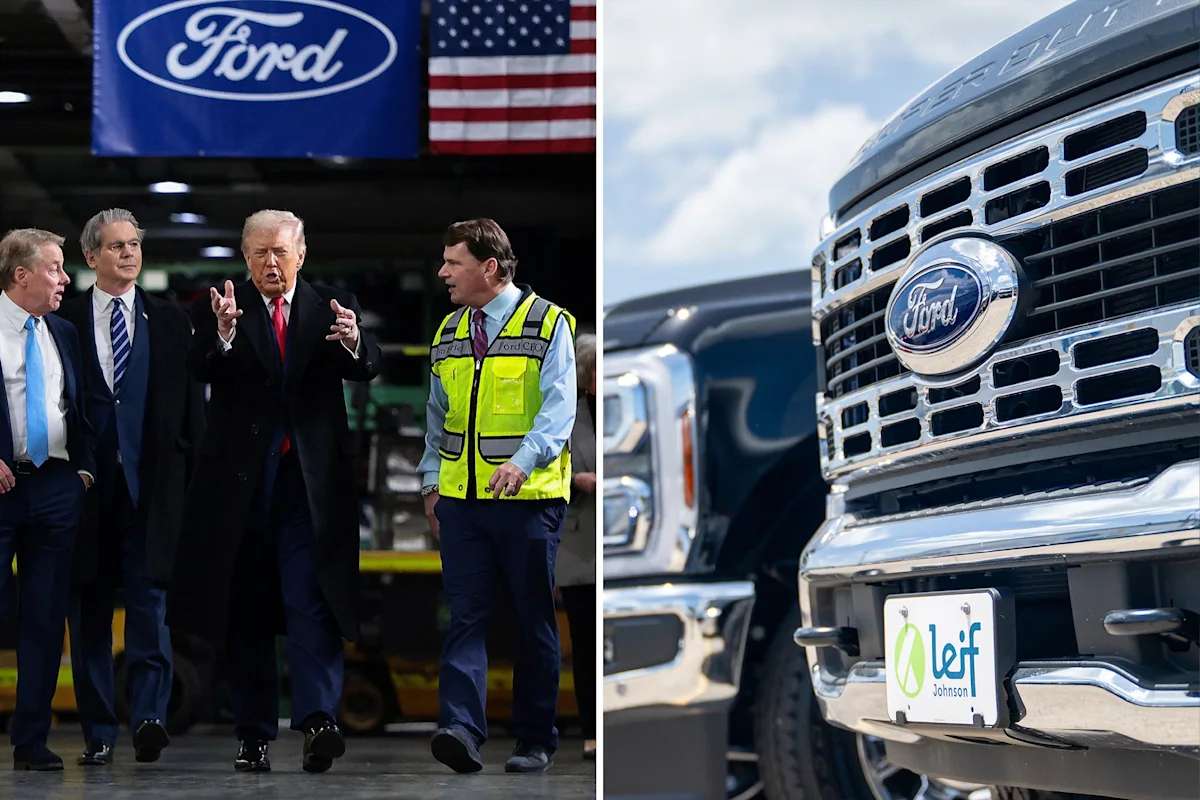
The company’s strategy comes at a politically sensitive time for the U.S. auto industry. Ford Motor has recently faced criticism from the Trump administration over its relationships with Chinese companies, including partnerships involving battery technology and domestic battery production.
The controversy highlights the growing pressure on U.S. automakers to demonstrate that their electric vehicle and battery supply chains are not overly dependent on China. China remains a dominant force across several stages of the global battery industry, including the processing and production of critical materials and battery components.
For GM, increasing domestic battery production could provide both strategic and commercial benefits. A stronger U.S.-based supply chain could help the company reduce exposure to geopolitical tensions, potential trade restrictions and disruptions in overseas supplies.
The move also reflects the changing economics of the electric vehicle industry. Automakers are increasingly evaluating battery technologies not only on energy density and vehicle performance but also on production costs, availability of raw materials, supply-chain security and the location of manufacturing.
GM is working on several battery chemistries because different applications require different combinations of performance, cost and durability. Batteries designed for stationary energy storage, for example, can have different requirements from those used in electric vehicles.
The company’s investment in energy storage also comes as electricity demand from data centers and other large-scale facilities continues to attract attention. Energy storage systems can help businesses manage electricity demand, improve grid resilience and provide backup power when needed.
GM’s broader battery strategy could therefore become an important part of its business beyond traditional vehicle manufacturing. Developing domestic battery technology for both electric vehicles and energy storage could create additional opportunities as the U.S. expands its clean-energy infrastructure and seeks greater control over critical supply chains.
The push toward domestic production also reflects a broader shift in U.S. industrial policy. Government officials have increasingly emphasized the importance of reducing dependence on China for strategic technologies, particularly batteries and other components considered essential to the future of transportation and energy.
For GM, the challenge will be turning early-stage battery research into commercially competitive products while building the manufacturing capacity and supply networks required to support large-scale production.
If the company’s sodium-ion technology reaches commercial production as planned, it could give GM another tool for reducing dependence on Chinese-dominated materials while expanding its presence in the growing energy storage market.
The developments underline how battery technology has become a central business and geopolitical issue for the global automotive industry. As automakers compete to develop affordable electric vehicles and energy storage solutions, control over battery materials, technology and manufacturing is increasingly becoming a key factor in determining long-term competitiveness.
GM’s push for a more domestic battery supply chain could therefore mark an important step in the company’s broader strategy to strengthen its U.S. manufacturing base while navigating growing political pressure over China-related supply chains.








+ There are no comments
Add yours