






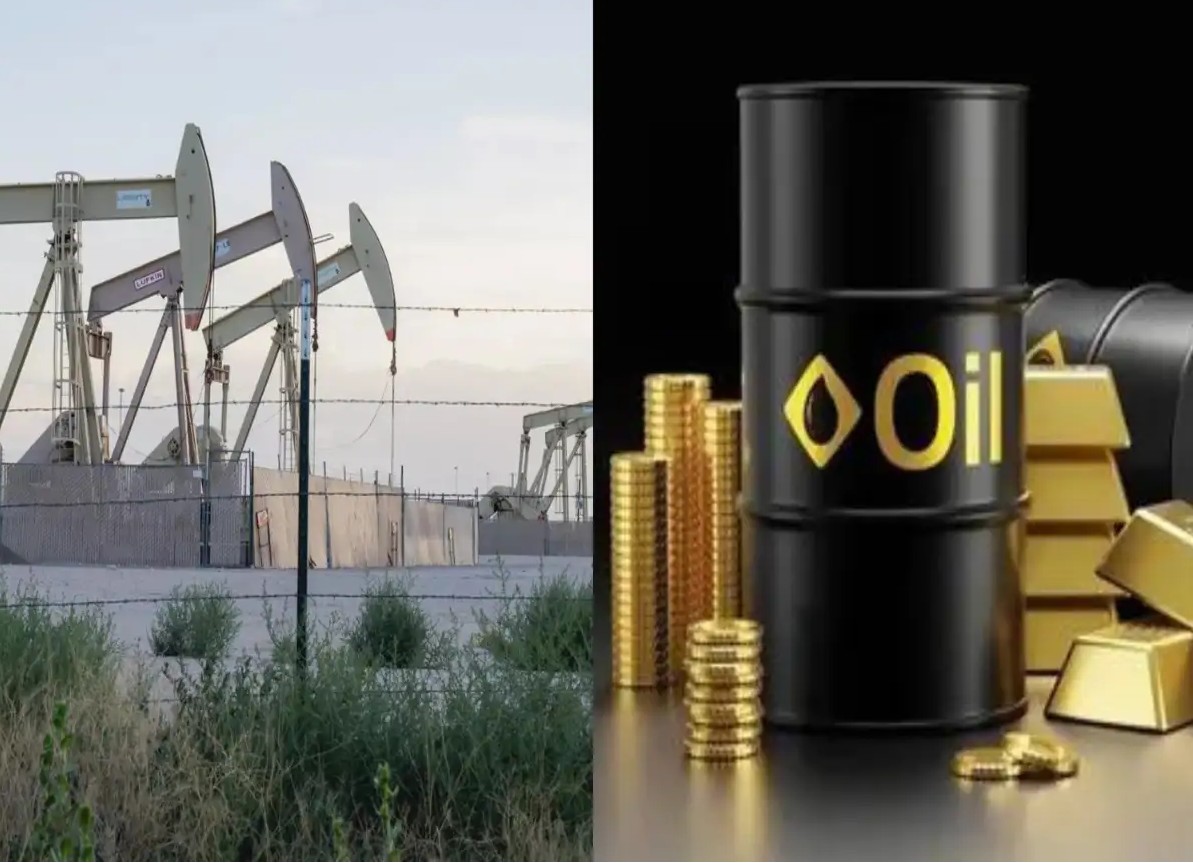
The world is facing what analysts are calling the biggest oil supply disruption in modern history, as rising tensions in the Middle East threaten the stability of global energy markets. The crisis surrounding the Strait of Hormuz, one of the most important oil shipping routes in the world, has created serious concerns about the future of international oil supplies.
The Strait of Hormuz, located between Iran and Oman, is a narrow but strategically vital waterway through which nearly 20 percent of the world’s daily oil supply passes. Because of its importance, any disruption in this area can quickly affect energy markets around the globe. Recent military tensions and security concerns in the region have increased fears that shipping activity could be severely affected.
In recent days, several oil tankers and shipping companies have reportedly slowed or delayed their operations due to growing security risks. Shipping companies are closely monitoring the situation, while some vessels are waiting outside the strait until conditions become safer. These developments have added uncertainty to global oil markets and raised concerns among governments and businesses worldwide.
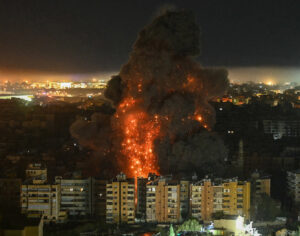
The situation intensified after reports of military activity in the region. The United States announced that it had targeted vessels suspected of preparing to lay naval mines near the Strait of Hormuz, while Israel continued strikes against Iranian-linked targets in the Middle East. These actions have heightened fears that the conflict could spread further and directly threaten one of the world’s most critical energy routes.
Oil markets reacted quickly to the growing tensions. Prices climbed sharply as traders worried that supply shortages could emerge if the crisis continues. Experts warn that if the flow of oil through the strait is disrupted for a long period, the consequences could include higher fuel prices, increased inflation, and economic pressure on countries that rely heavily on imported energy.
Governments around the world are closely watching the situation and preparing for possible emergency measures. Some countries are considering releasing oil from their strategic reserves to stabilize markets and prevent extreme price spikes.
As tensions remain high and diplomatic efforts to reduce the conflict continue, the world’s energy markets remain on edge. The situation highlights how dependent the global economy is on the stability of the Strait of Hormuz, a narrow passage that plays a critical role in the movement of the world’s oil supply.







+ There are no comments
Add yours