







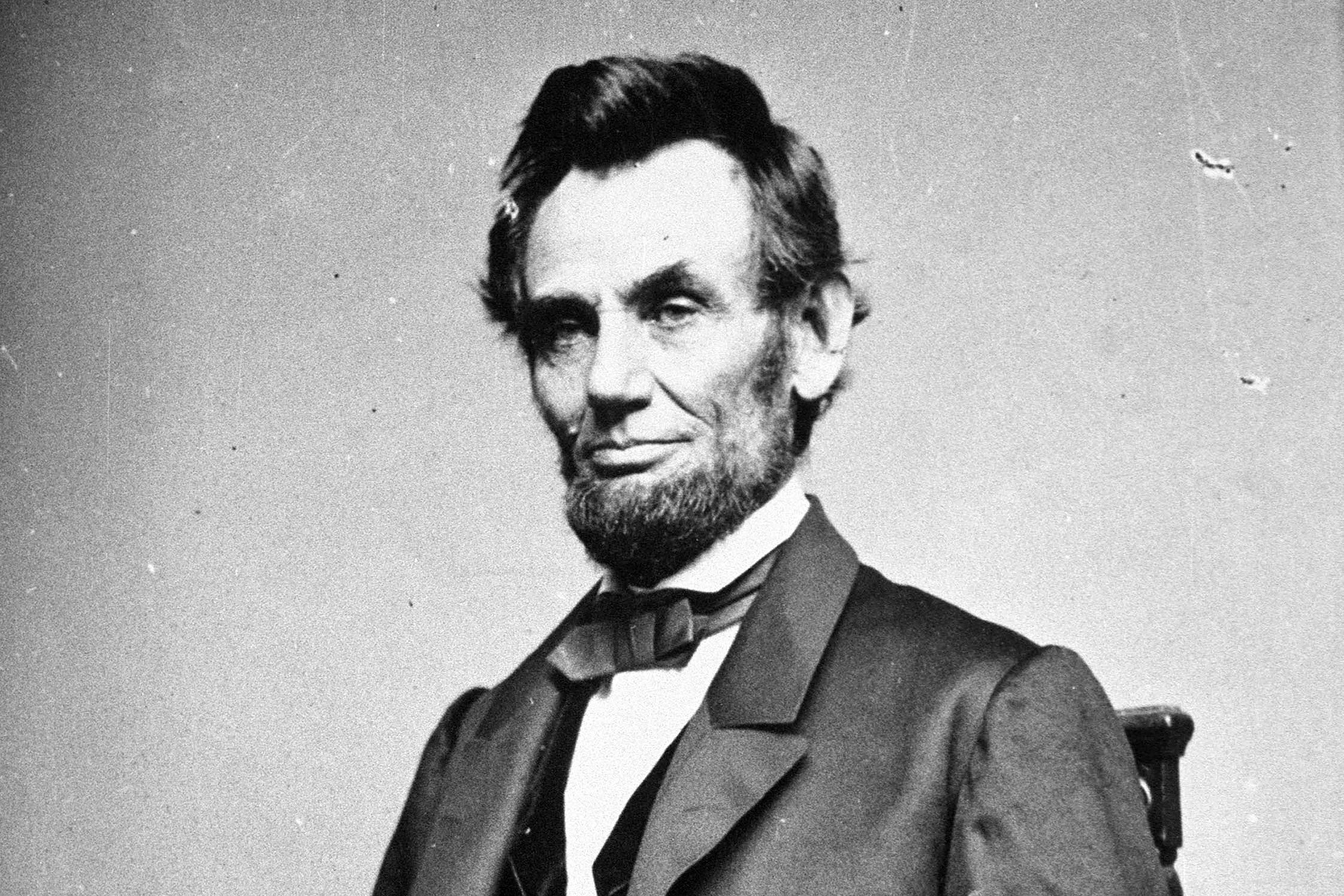
Abraham Lincoln, born in 1809 in a modest log cabin in Kentucky, rose from humble beginnings to become one of the most influential presidents in United States history. Serving as the 16th President from 1861 until his assassination in 1865, Lincoln led the country through its most severe internal crisis, the American Civil War, and played a central role in ending slavery and preserving the Union.
Lincoln’s early life was marked by hardship. With limited formal education, he taught himself law and eventually became a respected lawyer and politician. His strong moral beliefs, clear reasoning, and commitment to justice helped him gain recognition in a deeply divided nation. By the time he became president in 1860, tensions between the northern and southern states over slavery had reached a breaking point.
The election of Lincoln triggered the secession of several southern states, leading to the outbreak of the Civil War in 1861. The conflict became the deadliest in American history, dividing families, communities, and the nation itself. Lincoln’s primary goal throughout the war was not only to defeat the Confederacy but to maintain the unity of the United States.
As the war progressed, Lincoln took a historic step that would define his legacy forever. In 1863, he issued the Emancipation Proclamation, declaring that all enslaved people in Confederate-held territories were to be freed. While it did not immediately end slavery across the country, it transformed the war into a fight for human freedom and paved the way for the abolition of slavery in the United States.
Lincoln also demonstrated exceptional leadership during the war by carefully balancing military strategy with political unity. He worked closely with generals, managed internal political pressure, and maintained public support during one of the most difficult periods in American history. His speeches, including the Gettysburg Address, emphasized equality, democracy, and national unity, leaving a lasting impact on American political thought.
The Civil War ended in 1865 with the defeat of the Confederacy, ensuring the survival of the United States as a single nation. Shortly after the victory, however, Lincoln was assassinated in April 1865, cutting short his efforts to guide the country through reconstruction and healing.
Despite his death, Lincoln’s legacy endured. He is widely regarded as a symbol of unity, equality, and moral leadership. His actions not only preserved the United States but also fundamentally changed its social and political structure by ending slavery and redefining the principles of freedom and democracy.
Today, Abraham Lincoln remains one of the most respected figures in world history, remembered for his courage, vision, and unwavering commitment to justice during one of the most turbulent eras in American history.








+ There are no comments
Add yours