





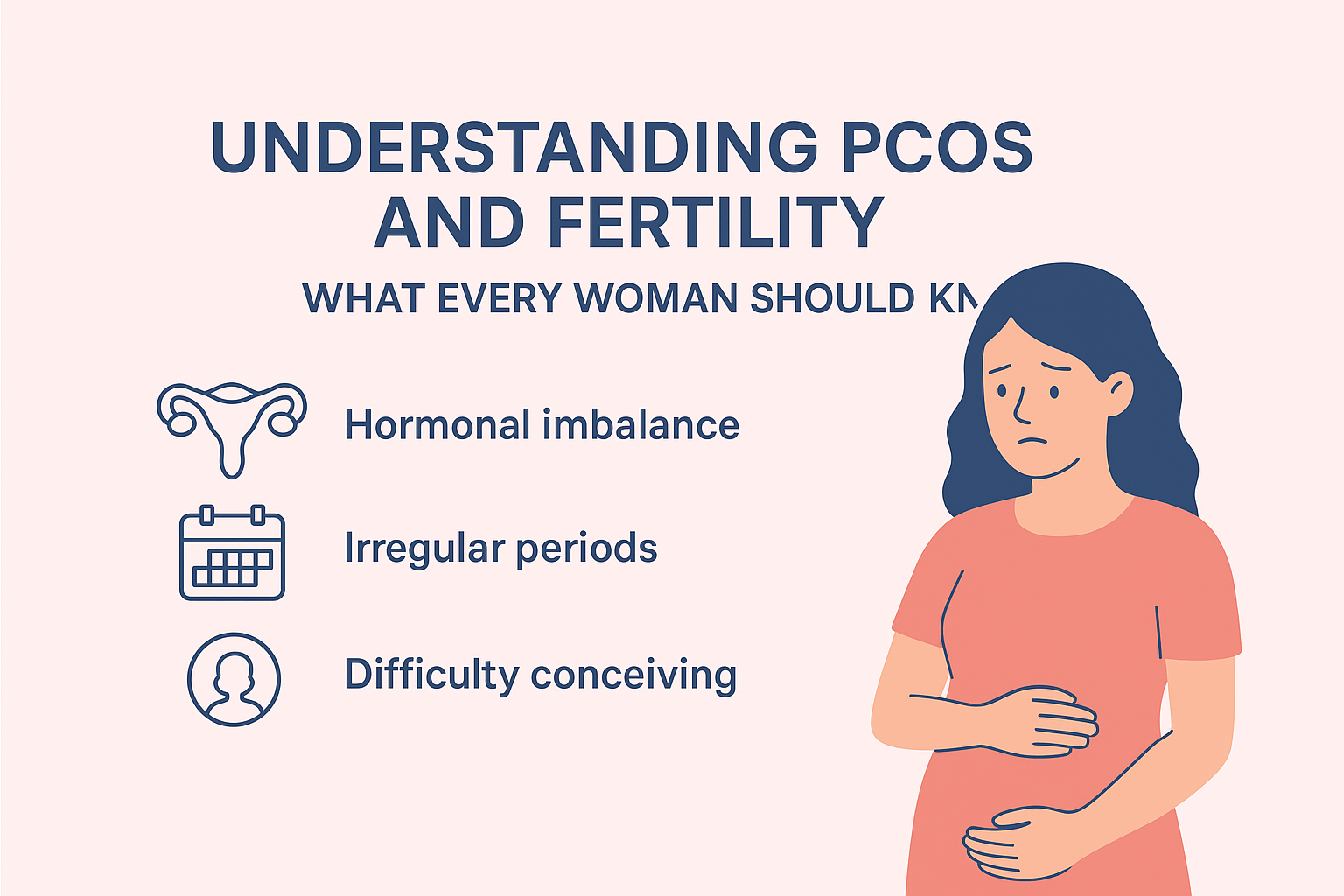
Polycystic ovary syndrome (PCOS) is one of the most common hormonal conditions affecting women during their reproductive years. It can influence menstrual cycles, hormone levels, ovulation, skin, hair growth and metabolic health. Because PCOS can affect ovulation, many women who are diagnosed with the condition worry about their ability to become pregnant. However, having PCOS does not mean that pregnancy is impossible.
PCOS is a hormonal and metabolic condition that can cause irregular or absent periods because ovulation may not happen regularly. Some women with PCOS also have higher levels of androgens, hormones that can contribute to symptoms such as acne, excess facial or body hair and thinning hair on the scalp. The condition can affect women in very different ways, and not everyone will experience the same symptoms.
PCOD, or polycystic ovarian disease, is another term frequently used when discussing hormonal and ovulatory problems. In everyday conversations, PCOS and PCOD are often used interchangeably. However, PCOS is the more widely recognized medical diagnosis and is considered a broader hormonal and metabolic condition. Anyone experiencing symptoms should receive a proper medical evaluation rather than relying on the terms alone.
Irregular periods are among the most common signs associated with PCOS. Some women may have long menstrual cycles, miss periods or have unpredictable bleeding. Other symptoms can include acne, oily skin, unwanted facial or body hair, hair thinning, weight gain or difficulty losing weight. Some women may also experience darkened areas of skin or other signs associated with insulin resistance.
Having irregular periods or one of these symptoms does not automatically mean a woman has PCOS. Several other health conditions can cause similar symptoms. Doctors generally consider a woman’s medical history, menstrual pattern, symptoms, physical examination and, when appropriate, hormone tests or ultrasound findings before making a diagnosis.
One of the biggest concerns surrounding PCOS is fertility. PCOS can make it harder for some women to become pregnant because irregular ovulation means an egg may not be released regularly. When ovulation is unpredictable or occurs less frequently, there may be fewer opportunities for fertilization during a menstrual cycle.
However, PCOS should not be considered the same as permanent infertility. Many women with PCOS become pregnant naturally. Others may take longer to conceive or require medical treatment to help regulate or induce ovulation. The likelihood of pregnancy depends on many factors, including ovulation, age, overall health and the reproductive health of both partners.
Women with PCOS who are trying to become pregnant may benefit from speaking with a healthcare professional, particularly if their menstrual cycles are highly irregular. A doctor can evaluate whether ovulation is occurring and check for other potential causes of fertility problems. Depending on the individual situation, treatment may include lifestyle changes, medications that help stimulate ovulation or other fertility treatments.
PCOS can also affect pregnancy once conception occurs. Women with PCOS can have healthy pregnancies, but the condition is associated with an increased risk of certain complications, including gestational diabetes and high blood pressure during pregnancy. This does not mean that every woman with PCOS will experience complications, but appropriate prenatal care and regular monitoring can help healthcare professionals identify potential problems early.
Managing PCOS often involves a combination of medical care and lifestyle changes. Regular physical activity, a balanced diet, adequate sleep and maintaining a healthy weight when appropriate can support overall metabolic and reproductive health. For some women who are overweight, even modest weight loss may improve menstrual regularity and some PCOS-related symptoms. However, PCOS can affect women of all body sizes, so treatment should not focus on weight alone.
There is no single treatment that works for every woman with PCOS. Treatment depends on the individual’s symptoms, health needs and whether she is trying to become pregnant. Women who are not trying to conceive may receive treatment aimed at regulating periods, managing acne or excess hair and reducing long-term health risks. Women who want to become pregnant may receive treatment focused on improving ovulation and fertility.
PCOS is also important to manage because it can be associated with longer-term health concerns such as insulin resistance, type 2 diabetes, abnormal cholesterol levels and high blood pressure. Regular medical checkups can help monitor these risks and support long-term health.
Women who regularly experience missed or highly irregular periods, unexplained excessive hair growth, persistent acne, significant changes in weight or difficulty becoming pregnant should consider talking to a healthcare professional. Getting an accurate diagnosis is important because similar symptoms can have different causes and may require different treatments.
The most important message for women with PCOS is that the condition does not automatically prevent pregnancy. While PCOS can affect ovulation and make conception more difficult for some women, many women with the condition become pregnant naturally or with appropriate medical support. With proper diagnosis, individualized treatment, healthy lifestyle habits and regular medical care, PCOS can be managed and many women can go on to have healthy pregnancies.








+ There are no comments
Add yours