







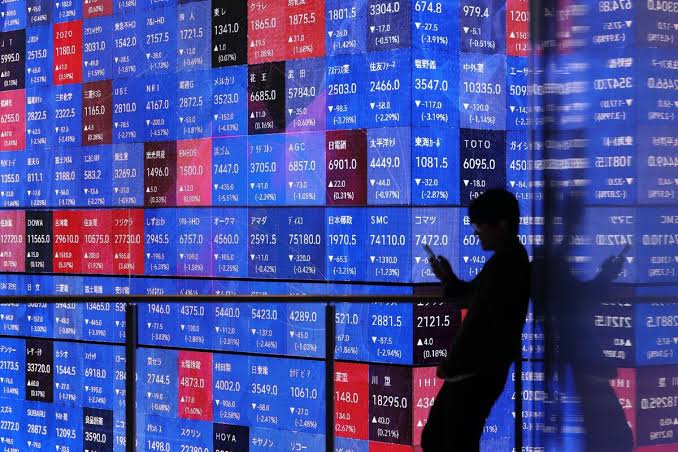
Asian stock markets traded cautiously on Monday as investors weighed easing geopolitical tensions in the Middle East against growing expectations of further interest rate hikes, creating a mixed start to the trading week. While the agreement between Iran and the United States to halt renewed hostilities offered some relief to global markets, uncertainty over the economic outlook kept investors on edge.
The announcement of a pause in hostilities reduced fears of an immediate escalation in the Middle East, a region critical to global energy supplies. The development helped calm financial markets after weeks of heightened uncertainty, but oil prices remained supported as traders continued to factor in geopolitical risks and the possibility of supply disruptions.
Despite the easing of geopolitical concerns, investor optimism was tempered by expectations that major central banks could keep interest rates higher for longer. Persistent inflation and resilient economic data have strengthened the case for additional monetary tightening, pushing bond yields higher and boosting the US dollar to levels near a one-year high.
The stronger dollar added pressure on Asian currencies and emerging markets, while also weighing on commodities priced in the US currency. Export-oriented companies monitored currency movements closely, as fluctuations in exchange rates could affect corporate earnings and trade competitiveness.
Market participants are now focusing on upcoming economic data releases and comments from central bank officials for clues about the future path of monetary policy. Any signs that inflation remains stubbornly high could reinforce expectations of further rate increases, potentially increasing volatility across global financial markets.
Analysts say investors remain caught between improving geopolitical conditions and concerns that tighter financial conditions could slow economic growth. While the reduction in Middle East tensions has eased one major source of uncertainty, the prospect of prolonged high interest rates continues to limit risk appetite.
With global markets balancing geopolitical developments against monetary policy expectations, analysts believe trading is likely to remain volatile in the coming weeks. Investors are expected to stay cautious as they assess whether easing international tensions can outweigh the economic impact of higher borrowing costs and a stronger US dollar.








+ There are no comments
Add yours