






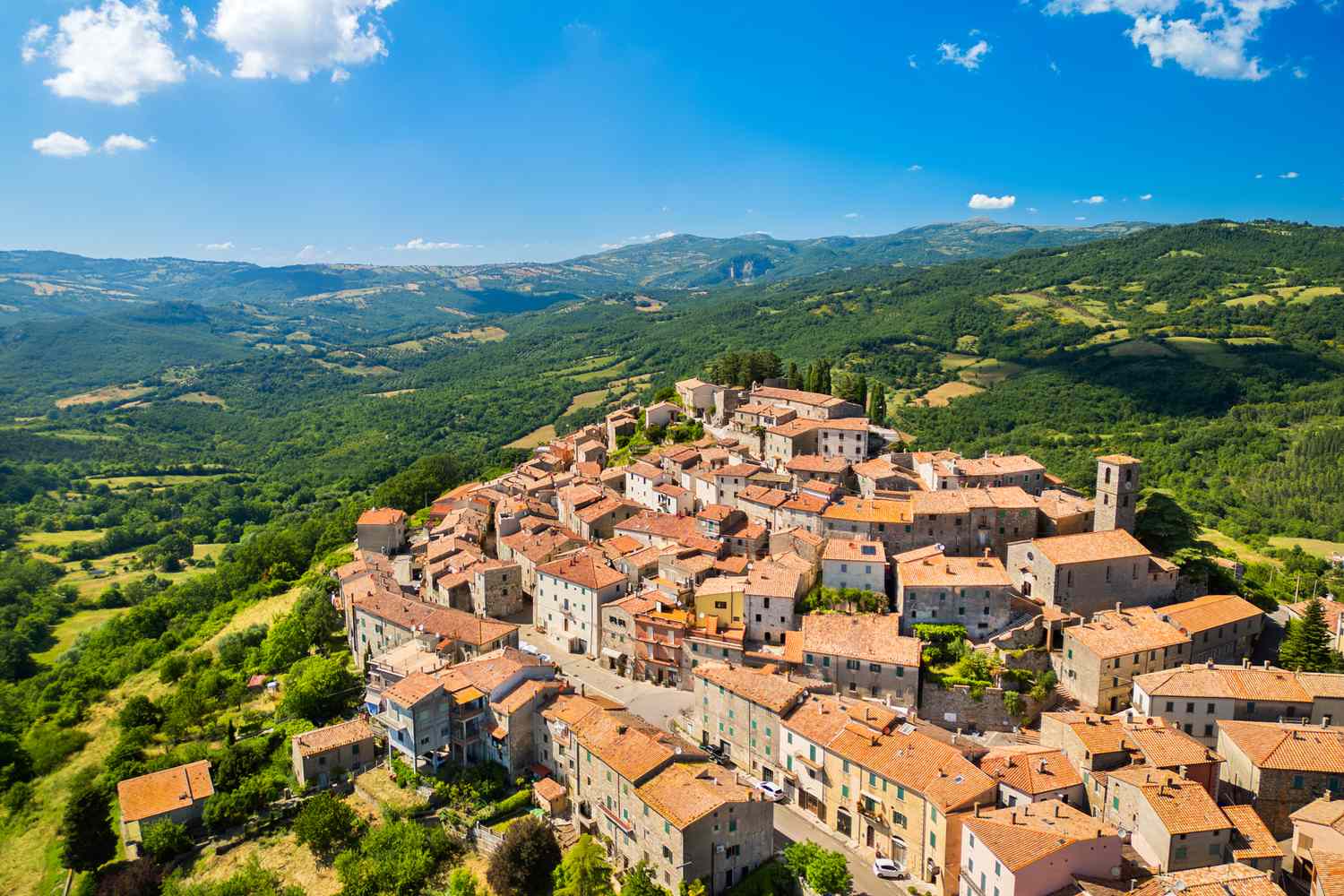
Italy has reached a historic environmental milestone, with forests now covering more of the country than agricultural land for the first time since the Middle Ages. The remarkable transformation reflects decades of rural change, as abandoned farmland has gradually reverted to natural woodland, reshaping Italy’s landscape and raising important questions about the future of farming and conservation.
According to the latest findings, forests now blanket more than one-third of Italy’s territory, marking a dramatic shift in land use after centuries in which agriculture dominated the countryside. The expansion has been driven largely by the abandonment of farms in mountainous and rural regions, where declining populations, aging farmers, and changing economic conditions have made cultivation increasingly difficult.
As fields have been left untended, nature has reclaimed the land. Trees and native vegetation have spread naturally, creating new habitats for wildlife, improving carbon storage, and strengthening the country’s ability to absorb greenhouse gas emissions. Environmental experts describe the trend as a significant boost for biodiversity and an important contribution to climate change mitigation.
However, the growing forests also highlight serious challenges facing Italy’s agricultural sector. Rural depopulation and the loss of active farmland threaten traditional farming communities, local food production, and cultural landscapes that have defined the country for centuries. Experts warn that unmanaged forests can also increase the risk of wildfires and reduce the maintenance of mountain areas, making sustainable land management more important than ever.
The milestone reflects a broader transformation taking place across parts of Europe, where urbanization and demographic changes are altering how land is used. Policymakers now face the challenge of balancing environmental restoration with the need to preserve farming traditions, protect rural livelihoods, and ensure food security.
Italy’s changing landscape tells a powerful story of nature’s resilience. As forests reclaim territory once devoted to agriculture, the country stands at a crossroads where conservation and rural development must move forward together. The challenge ahead will be to harness the environmental benefits of expanding forests while ensuring that Italy’s rich agricultural heritage is not lost to history.










+ There are no comments
Add yours