







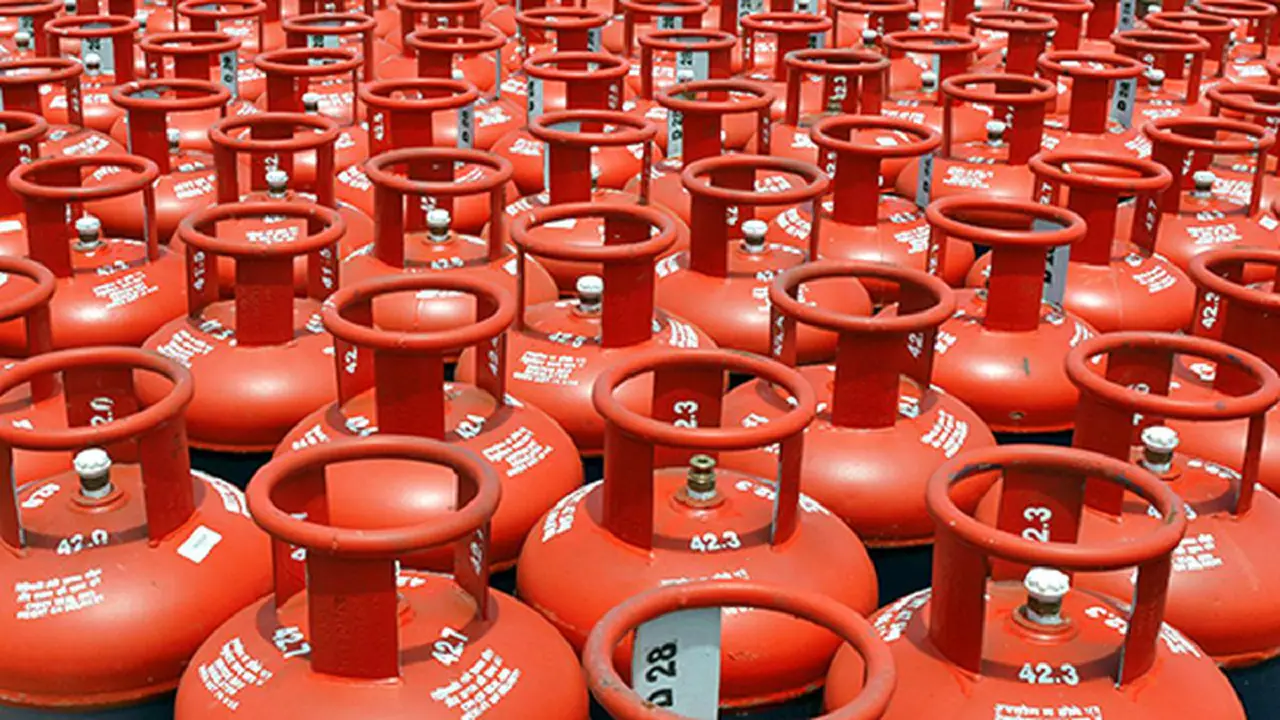
Millions of people in different countries are facing difficulties as rising liquefied petroleum gas (LPG) prices and supply challenges affect households, businesses, and local economies. LPG is one of the most widely used fuels for cooking and heating, especially in countries where access to electricity and alternative energy sources remains limited.
The ongoing LPG crisis has been driven by several factors, including international market instability, higher energy demand, transportation challenges, geopolitical tensions, and fluctuations in global fuel prices. As production and supply chains face pressure, many countries have experienced increases in LPG costs, making it harder for families to afford regular fuel supplies.
In developing countries, the impact has been particularly serious. Millions of households depend on LPG cylinders for daily cooking, and rising prices have placed additional pressure on family budgets. Low-income communities are among the most affected, with some families reducing their LPG use or switching back to traditional fuels such as wood, charcoal, and kerosene.
The return to traditional cooking fuels has created new health and environmental concerns. Burning wood and charcoal inside homes can increase indoor air pollution, which is linked to respiratory problems and other health risks. Environmental experts have also warned that increased use of firewood can contribute to deforestation in vulnerable regions.
Small businesses that depend on LPG are also struggling with higher costs. Restaurants, food stalls, bakeries, and small manufacturers that use LPG for daily operations have seen their expenses increase. Many business owners have been forced to raise prices, reduce production, or search for cheaper alternatives to continue operating.
Several governments have introduced measures to reduce the impact on consumers. Some countries have increased fuel subsidies, provided financial assistance to low-income families, or worked to secure additional LPG supplies from international markets. However, maintaining subsidies can be expensive and places pressure on government budgets, especially in countries already facing economic difficulties.
Energy experts say the crisis highlights the importance of improving energy security and reducing dependence on limited fuel sources. Countries that rely heavily on imported LPG are especially vulnerable to international price changes and supply disruptions. Expanding storage facilities, improving transportation networks, and developing more diverse energy systems could help reduce future risks.
The LPG crisis has also renewed discussions about cleaner and more sustainable energy options. Many countries are investing in renewable energy, electric cooking technologies, and improved energy efficiency. However, experts say these alternatives cannot immediately replace LPG because millions of households still depend on it as an affordable and accessible fuel.
International organizations have called for greater cooperation between fuel-producing and fuel-importing countries to improve supply stability and protect vulnerable communities. They have also encouraged governments to develop long-term energy plans that provide affordable fuel while supporting environmental goals.
The current LPG situation shows how closely connected global energy markets have become. A disruption in one region can quickly affect prices and availability in many other countries. For millions of families, LPG is not only an energy source but an essential part of daily life.
As governments continue searching for solutions, the challenge remains to provide immediate support to people affected by high fuel costs while creating stronger and more reliable energy systems for the future.









+ There are no comments
Add yours