







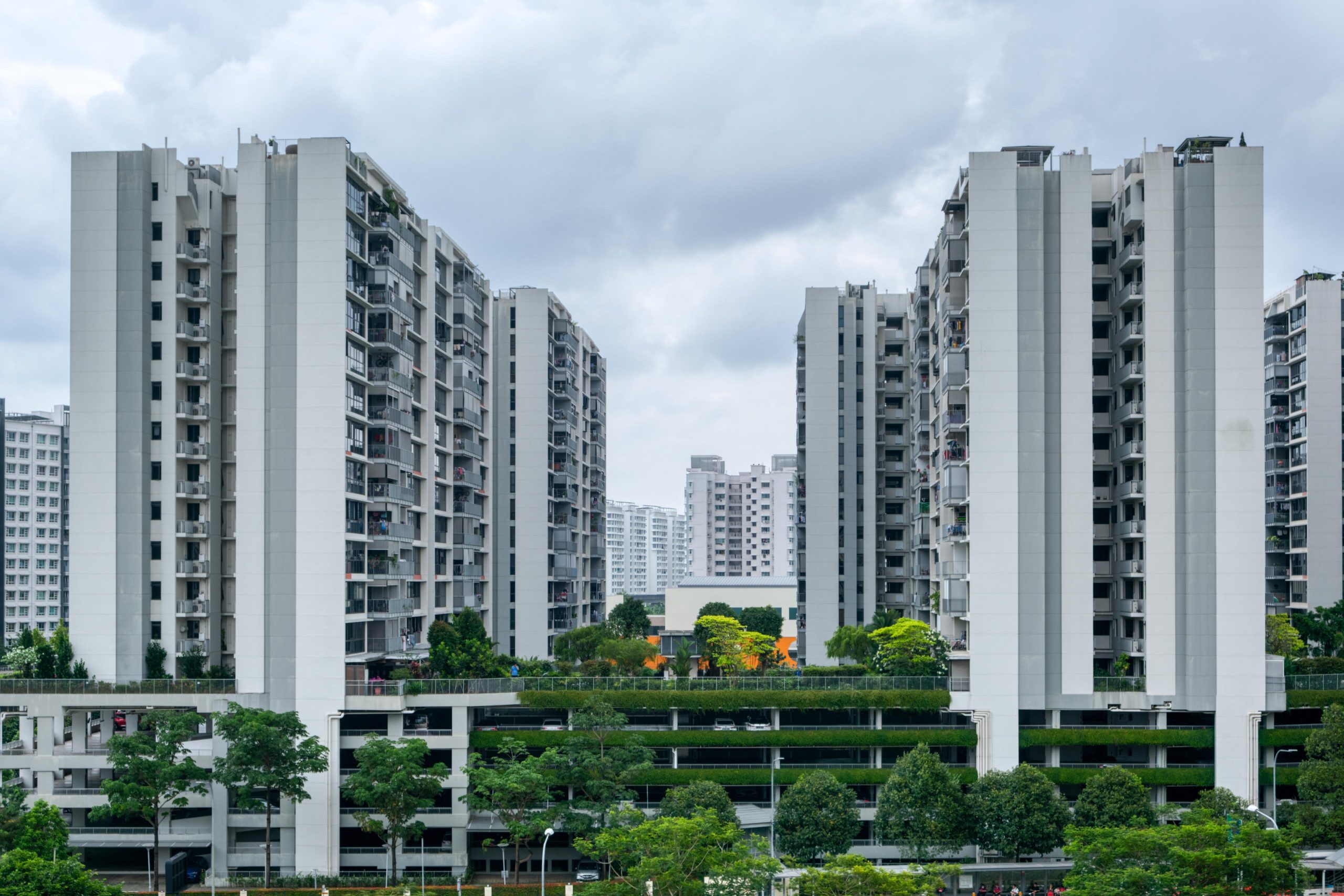
Singapore’s corporate real estate sector is facing a major obstacle to transformation as organisational silos emerge as the biggest constraint on companies seeking to adapt their property strategies to the changing world of work.
According to JLL’s 2026 Future of Work Survey, 37% of Singapore organisations identify organisational silos as their top barrier to real estate transformation. That is 12 percentage points higher than the Asia Pacific average of 25%, highlighting a significant challenge for businesses attempting to coordinate property, technology and workforce strategies.
Skills shortages and financial pressures are also weighing on transformation efforts, with 32% of Singapore respondents citing AI and technology skills gaps and another 32% pointing to budget constraints.
The survey gathered responses from more than 2,200 C-suite executives and commercial real estate leaders across 21 countries, including 100 respondents in Singapore. Its findings suggest that Singapore businesses largely understand the need to rethink their property portfolios but are struggling to turn strategy into action.
Around 80% of organisations recognise that AI is changing the way work is performed and creating a need for portfolio adjustments. However, only 11% have reached the stage of actively optimising AI within their corporate real estate operations, compared with 15% across Asia Pacific.
Overall, 34% of Singapore organisations are either optimising or scaling their AI deployment, below the regional figure of 41%. Meanwhile, 27% remain at the sourcing stage, selecting technology tools and partners without yet moving into deployment.
The implementation gap becomes even more evident further along the transformation process. While 52% of respondents monitor AI developments and 42% analyse their implications for real estate, only 36% model portfolio implications with dedicated budgets. Just 35% have introduced change-management programmes, while 31% are considering new locations to attract AI talent and 28% are redesigning workplaces to support human-AI collaboration.
JLL said companies making the fastest progress are not necessarily those with the largest budgets, but those building the organisational capabilities needed to adapt quickly.
The survey also highlights growing risks. Cybersecurity and data privacy were identified as a major portfolio concern by 53% of Singapore respondents, followed by technology and AI disruption at 46%. Geopolitical instability was cited by 40%, while 37% remain concerned about uncertainty over how AI could affect future space requirements.
JLL said stronger cross-functional governance, closer alignment between senior executives and real estate leaders, and integrated data platforms will be critical if Singapore companies are to accelerate real estate transformation.









+ There are no comments
Add yours