






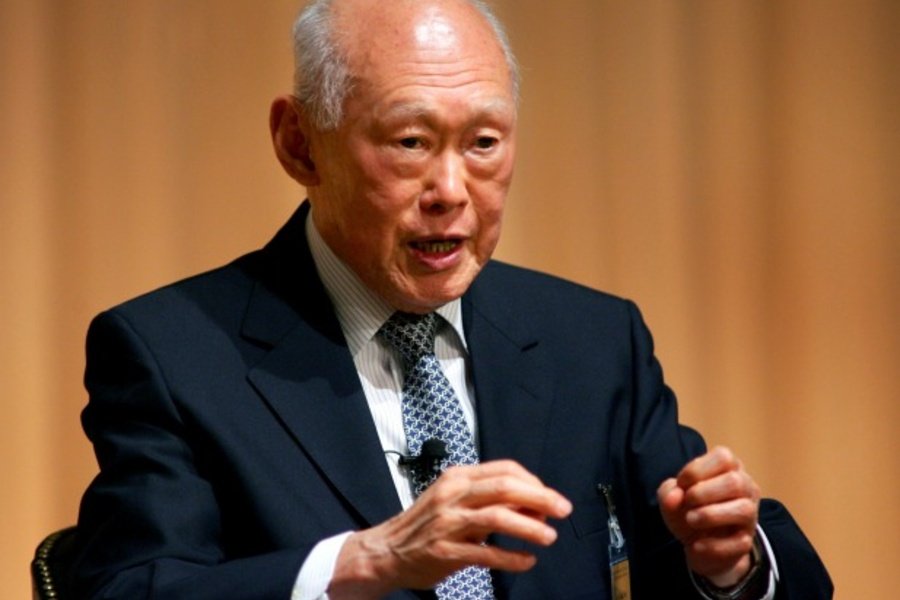
Few leaders in modern history have demonstrated the power of visionary leadership as clearly as Lee Kuan Yew. Known as the founding father of modern Singapore, his strong leadership and long-term vision helped transform a small island nation into one of the world’s most successful economies.
When Singapore gained independence in 1965, the country faced enormous challenges. It lacked natural resources, unemployment was high, and many international observers doubted whether the young nation could survive on its own. However, Lee Kuan Yew believed that with disciplined leadership, effective governance, and strategic planning, Singapore could overcome these obstacles.
As the country’s first Prime Minister, Lee Kuan Yew focused on building a strong economic foundation. His government worked to attract foreign investment by creating a stable political environment and implementing business-friendly policies. These efforts quickly turned Singapore into a key destination for international companies looking to expand in Asia.
Another important pillar of Lee’s leadership was education. Recognizing that Singapore had limited natural resources, he focused on developing the country’s human capital. The government invested heavily in schools, universities, and vocational training programs. Over time, this created a highly skilled workforce capable of supporting advanced industries such as finance, technology, and manufacturing.
Infrastructure development was also central to Singapore’s transformation. Under Lee’s leadership, the country built modern ports, airports, and transportation networks. These investments strengthened Singapore’s position as a global trading hub and helped boost international commerce.
Lee Kuan Yew was also widely known for his strict approach to governance and his strong stance against corruption. His administration implemented tough laws to ensure transparency, efficiency, and accountability within government institutions. Many experts believe that these policies played a major role in building public trust and attracting foreign investors.
While some critics argued that Singapore’s political system limited certain freedoms, supporters say that Lee’s leadership created stability and social harmony in a diverse society. His focus on meritocracy and good governance helped shape the country’s modern political culture.
Even after stepping down from office, Lee Kuan Yew continued to influence national policy as a senior advisor. Today, Singapore stands as one of the world’s most developed and prosperous countries, widely admired for its strong institutions and high standard of living.
The story of Lee Kuan Yew’s leadership shows how vision, determination, and strategic planning can transform a nation. His legacy remains a powerful example of how effective leadership can turn challenges into opportunities and guide a country toward long-term success.










+ There are no comments
Add yours