






Japan’s property market is drawing major global investment firms into a potential $6.3 billion deal for the real estate arm of broadcaster Fuji Media, highlighting growing international appetite for Japanese commercial property.
Blackstone, Bain Capital and Warburg Pincus are among the global investors expected to submit final bids by the end of October for Sankei Building, Fuji Media’s property unit, according to people familiar with the process. Canadian real estate investor BGO is also expected to make a binding offer.
The unit is expected to be valued at around 1 trillion yen, including debt. If Fuji Media sells the entire business, the transaction would rank among Japan’s largest real estate takeovers.
The potential sale comes as Fuji Media faces pressure from activist investors to unlock the value of its property assets and reduce cross-shareholdings. The company has been considering different options for its real estate portfolio, including a possible full or partial sale.
The deal has also raised questions among shareholders over transparency and how the transaction could affect the value returned to investors. One shareholder has urged Fuji Media to provide more details about the assets, transaction structure and how proceeds would be used.
Fuji Media said it was still evaluating the method, scale and timing of any investment in its property business and would make an announcement once a decision had been reached.
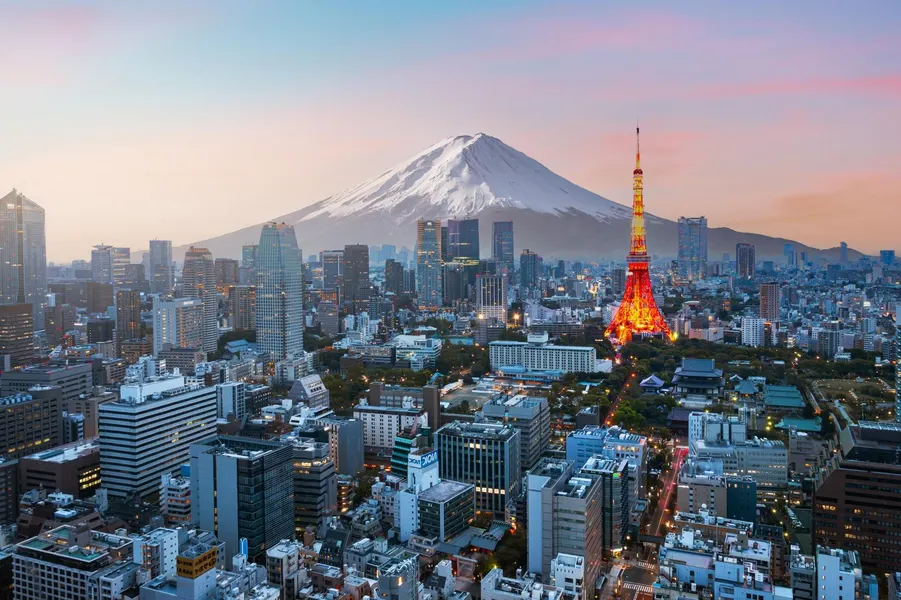
The interest from international investors reflects the strength of Japan’s property market. Land prices rose 1.5% in the year to July 1, marking a fifth consecutive annual increase and the fastest pace of growth since the aftermath of Japan’s asset-price bubble more than three decades ago.
Investment activity has also accelerated. Mergers and acquisitions involving Japanese real estate assets reached $15.5 billion through October 5, up 45% from the same period last year and the highest level for that period since 2013, according to LSEG data.
For global investors, Japan’s rising property values, strong office demand, openness to foreign ownership and a relatively weak yen have helped make the market increasingly attractive.
The Fuji Media sale could therefore become more than a major corporate transaction. It may also serve as a closely watched test of how international capital and Japan’s evolving corporate governance reforms are reshaping the country’s real estate landscape.







+ There are no comments
Add yours