




Albania’s political tensions have intensified as thousands of young demonstrators take to the streets, confronting riot police and demanding accountability from Prime Minister Edi Rama’s government. As protests spread beyond the capital, Tirana, Rama has accused unnamed foreign forces of seeking to destabilise the country, deepening an already heated confrontation over corruption, education and public trust.
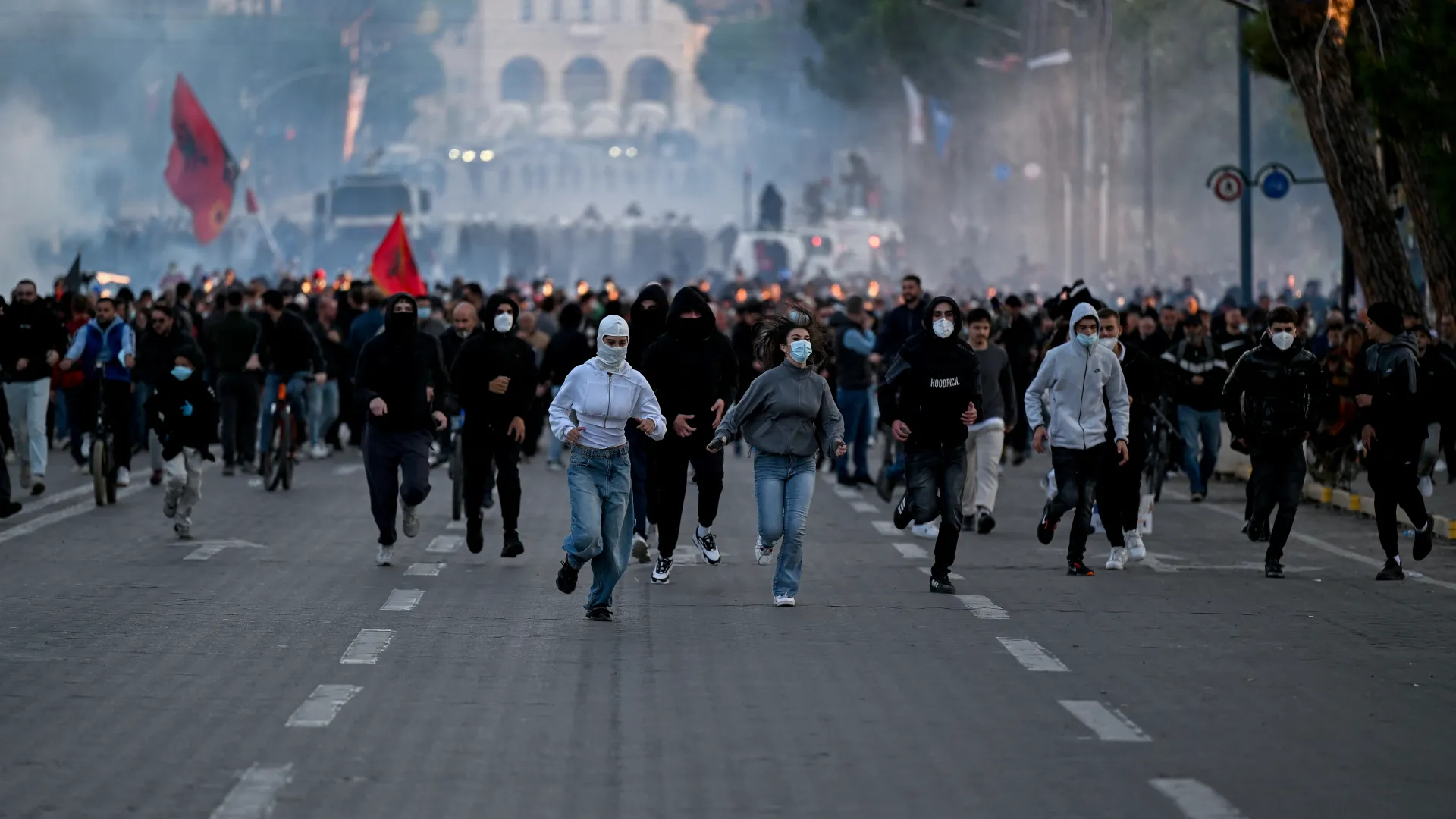
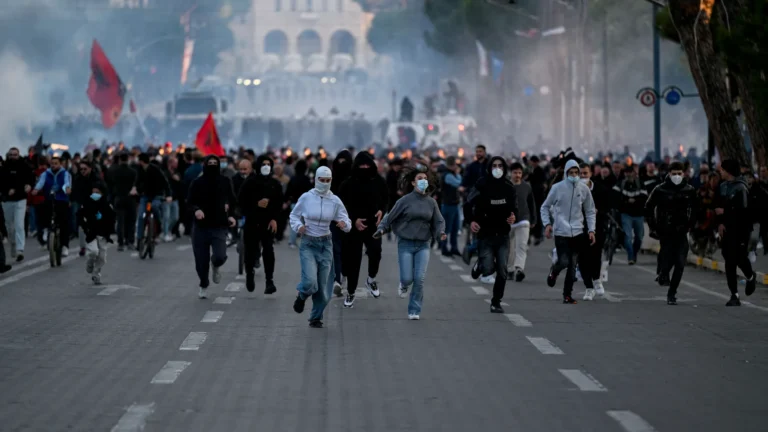
On Friday, October 16, 2026, riot police clashed with protesters outside Albania’s education ministry for a fourth consecutive day. Officers deployed tear gas and water cannon as demonstrators threw rocks, turning the streets of the capital into a scene of escalating unrest. The demonstrations, driven largely by students and young Albanians, have brought growing frustration with university conditions and allegations of government corruption into the national spotlight.
In a video address, Rama rejected the idea that the unrest was a spontaneous expression of student grievances. “This is not a student phenomenon,” he said, alleging that “foreign hands” did not want Albania to remain at peace. He also argued that the demonstrations had little to do with citizens’ hardships or their legitimate aspirations for a better life.
His remarks have raised a central question surrounding the crisis: whether the government can address the protesters’ demands while providing credible evidence for its allegations of foreign interference. The prime minister did not identify the alleged foreign actors in the remarks reported by international media.
The unrest has also spread beyond Tirana to Elbasan, Shkodra and Korca, according to local media reports. Demonstrators reportedly broke windows and set fire to rubbish bins in some locations, adding to concerns that a protest movement once characterised by largely peaceful demonstrations could become increasingly confrontational.
The current escalation follows months of public discontent, including demonstrations initially sparked by plans to sell part of Albania’s coastline for a luxury resort development linked to Jared Kushner, the son-in-law of US President Donald Trump. Concerns over the project have become part of a broader debate about transparency, political influence and the management of valuable public land.
For many young Albanians, the dispute extends beyond a single development or education policy. Their protests reflect demands for better university conditions, stronger accountability and greater confidence that public institutions serve citizens’ interests.
Rama now faces the challenge of responding to those demands while containing the unrest. His government’s handling of the demonstrations could influence public confidence in its commitment to transparency and the right to peaceful protest.
As Albania confronts another day of mounting tensions, the divide between the government and its critics is becoming harder to ignore. Whether the crisis leads to meaningful political dialogue or further confrontation will depend on the authorities’ response, the protesters’ next steps and the evidence presented to support competing claims about the unrest.
The immediate struggle is unfolding in the streets of Albania, but its wider implications concern the relationship between political power, public accountability and a younger generation demanding a greater voice in the country’s future.



+ There are no comments
Add yours