





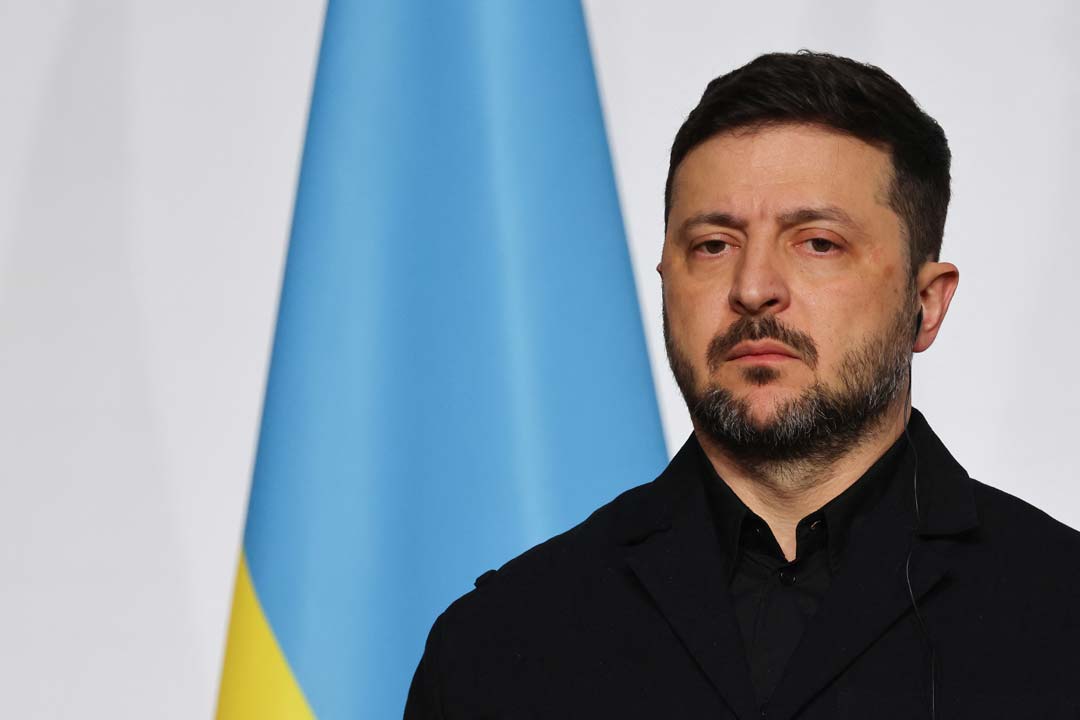
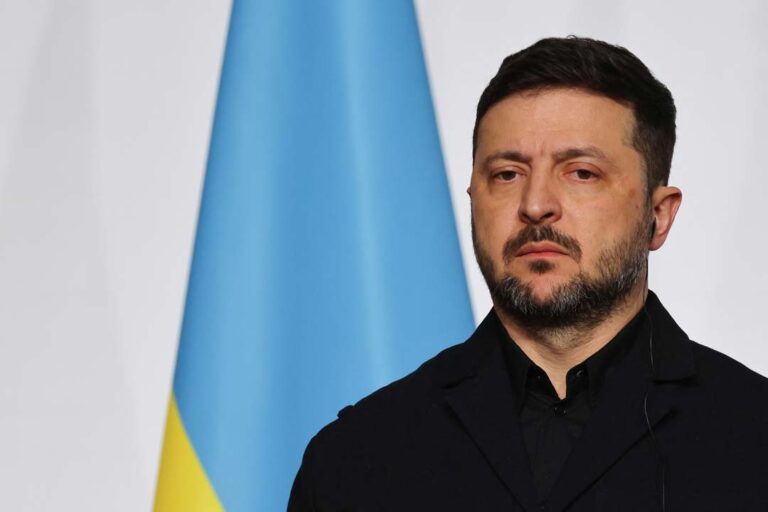
The struggle to end the war in Ukraine is exposing a widening divide among the world’s most influential leaders, as Ukrainian President Volodymyr Zelenskyy challenges Washington’s approach to Russia and urges Europe to take greater responsibility for his country’s future.
At a European Union summit in Brussels on October 16, Zelenskyy criticised US President Donald Trump’s agreement with Russia concerning the sale of Russian diesel and a pause in attacks on energy infrastructure. The Ukrainian leader argued that the arrangement risked benefiting Moscow financially while leaving Kyiv exposed to continued military pressure. He also questioned Russia’s commitment to peace, describing its negotiating position as a “parody” of genuine efforts to end the conflict.
The confrontation highlights a central dilemma in international politics: whether diplomatic agreements can produce lasting peace when the countries involved disagree fundamentally over security, territory and the conditions for ending a war.
For Trump, negotiations and energy policy have become intertwined with broader questions about American influence, domestic economic pressures and the future of US involvement in European security. His approach has drawn criticism from Ukrainian officials and concern among European leaders, particularly as Ukraine continues to face missile and drone attacks.
Zelenskyy has called for approximately €70 billion in additional European Union support to help address Ukraine’s financial needs. The appeal comes as Kyiv confronts the prospect of another difficult winter, with attacks threatening infrastructure and the country continuing to depend heavily on international assistance.
The dispute also raises concerns about Ukraine’s access to essential military technology and intelligence. Zelenskyy has reported disruptions affecting the Starshield satellite system used in Ukrainian defence operations, underscoring how dependent modern warfare has become on communications networks and private-sector technology.
Europe now faces a difficult leadership test. Its governments must balance diplomatic efforts, financial commitments, energy pressures and the risk of a prolonged conflict while maintaining a common position despite differences among member states.
The crisis is not simply a contest between individual leaders. It is a test of whether the United States and Europe can coordinate their policies when their immediate priorities diverge—and whether diplomatic pressure can persuade Russia and Ukraine to accept a sustainable settlement.
As the war continues, the consequences will reach far beyond the battlefield, shaping European security, global energy markets and confidence in the international order. The defining question remains whether world leaders can turn competing strategies into a credible path towards peace without leaving Ukraine’s future security unresolved.


+ There are no comments
Add yours