







China’s economy grew faster than expected in the third quarter, driven by strong exports and manufacturing activity, but persistent weakness in domestic demand and a deepening property downturn continue to cloud the outlook for the world’s second-largest economy.
Gross domestic product (GDP) expanded by 4.5% year-on-year between July and September, according to official figures released on Monday. The result exceeded economists’ expectations of 4.4% and marked an improvement from the 4.3% growth recorded in the previous quarter.
The figures offer some reassurance to policymakers as Beijing seeks to meet its annual economic growth target of 4.5% to 5%. However, the recovery remains uneven, with industrial output and exports outperforming consumer spending and investment.
Industrial production rose by 5.5% in September compared with a year earlier, while retail sales increased by 1.1%. The modest improvement in consumer spending suggests that households remain cautious despite efforts to support economic activity.
China’s advanced manufacturing industries, including sectors linked to artificial intelligence, semiconductors and electric vehicles, have helped sustain growth. Strong overseas demand has supported factories and exporters, reinforcing the country’s position as a major supplier to global markets.
But the reliance on exports also creates risks. Trade tensions with major economies, including the European Union and the United States, could lead to additional restrictions and intensify competition over manufacturing and technology.
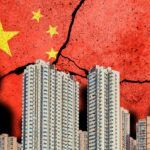
The property sector remains one of the biggest obstacles to a stronger recovery. Years of financial difficulties among developers and falling confidence in the housing market have weighed on investment and household wealth. Property investment fell by 20.6% in the first nine months of 2026 compared with the same period last year, underlining the scale of the sector’s continuing problems.
Weak domestic demand presents a further challenge. Economists have warned that exports alone cannot guarantee sustainable growth, particularly if global demand slows or trade barriers increase. Beijing has introduced targeted support measures, but policymakers face pressure to encourage households to spend more and businesses to invest with greater confidence.
For international markets, China’s economic performance carries significant implications. Its demand for energy, raw materials and industrial components affects businesses across Asia, Europe and other regions. A prolonged slowdown could weaken trade and investment, while stronger manufacturing exports may increase competitive pressure on producers elsewhere.
China’s economy grew by 4.6% during the first nine months of the year, keeping the government’s annual target within reach. Yet meeting that target will not necessarily resolve deeper structural problems.
The challenge for Beijing is to turn export-led growth into a broader recovery supported by domestic consumption, private investment and a more stable property market. Until that balance improves, China’s stronger headline growth figures will offer reassurance, but not a definitive sign that its economic difficulties are over.











+ There are no comments
Add yours