






The Persian Gulf has plunged into renewed turmoil as U.S. forces launched strikes against Iranian fast boats in the Strait of Hormuz while Iran simultaneously targeted a major oil facility in the United Arab Emirates, intensifying a conflict with far-reaching global consequences.
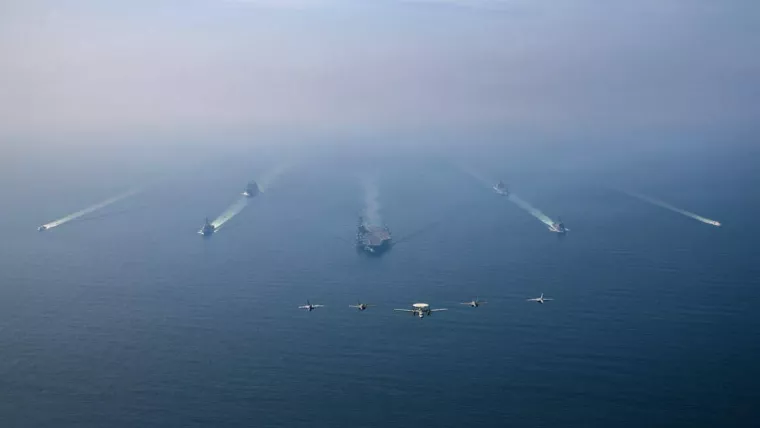
U.S. military officials reported that several Iranian fast-attack vessels were destroyed after they posed a threat to both commercial shipping and naval operations in the strategically vital waterway. The operation was part of an urgent effort to restore safe passage through the Strait of Hormuz, a narrow but critical route that carries a significant portion of the world’s oil supply. Tensions in the area have been building for weeks, with repeated incidents disrupting maritime traffic and raising the risk of a broader confrontation.
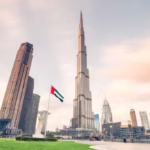
Almost concurrently, Iran launched missiles and drones that struck a key oil facility in the UAE, triggering large fires and causing significant damage to infrastructure. The attack sent shockwaves through global energy markets and prompted strong condemnation from Emirati authorities, who warned that such actions represent a severe escalation and threaten regional stability.
These developments signal the rapid breakdown of already fragile diplomatic efforts aimed at easing tensions. What had been a tentative pause in hostilities has now given way to direct and coordinated military actions, suggesting that both sides are increasingly willing to test each other’s limits. The situation remains volatile, with military assets on high alert and the possibility of further retaliation looming.
The Strait of Hormuz has once again become the epicenter of the crisis. Any sustained disruption there carries enormous implications, not only for countries in the region but for the global economy as a whole. Oil prices have surged in response to the renewed violence, fueling concerns about inflation, supply shortages, and economic instability in both developed and developing nations.
As the conflict widens and intensifies, the risk of miscalculation grows. With critical infrastructure under attack and one of the world’s most important energy corridors under threat, the unfolding crisis is no longer a regional issue—it is a global one with consequences that could reverberate far beyond the Gulf.







+ There are no comments
Add yours