




In the uneasy aftermath of conflict, many in Iran are confronting a different kind of anxiety one not tied to bombs or foreign threats, but to what may come from within. For ordinary citizens, the end of war has not brought a sense of relief so much as a growing fear that the state, having survived external pressure, could now tighten its grip at home.
During the conflict, authorities framed unity as essential to national survival. Dissent, even mild criticism, was often portrayed as dangerous or disloyal. Now, as the fighting subsides, some Iranians worry that those wartime measures will not be rolled back, but instead expanded. The concern is that emergency powers and heightened surveillance could quietly become permanent features of daily life.
Recent actions by authorities have done little to ease those fears. Reports suggest that large numbers of people have been detained since the war began, with security forces targeting activists, students, and even family members of dissidents. Many of these detentions have been accompanied by allegations of forced confessions, closed trials, and the threat of severe punishment.
For many, the atmosphere already feels heavier. Conversations that once flowed freely are now more cautious, often held in private or behind encrypted messages. Social media, once a space for expression and debate, has become a place where every word is weighed. The memory of internet shutdowns and mass arrests earlier in the year lingers, reinforcing the sense that visibility can carry real risk.
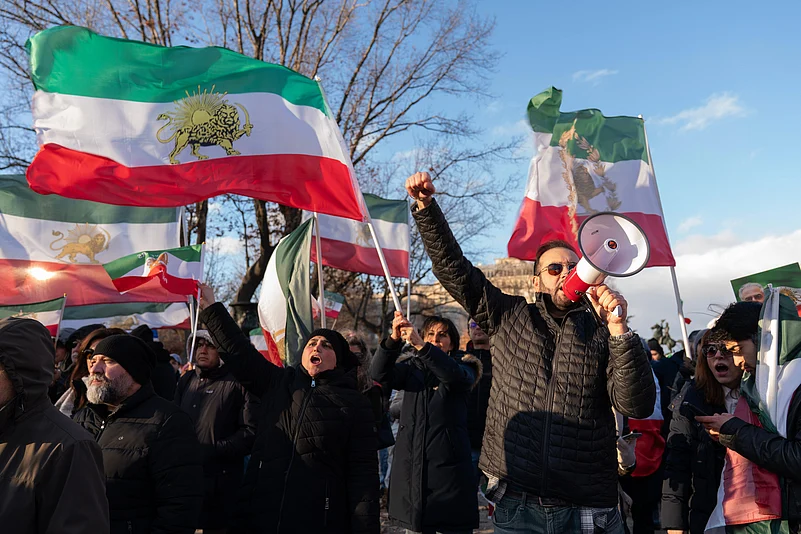
The fear is not unfounded. Earlier in the year, officials signaled a willingness to use extreme measures to maintain control during periods of unrest. Such rhetoric and the actions that accompanied it left a lasting impression on a population already familiar with cycles of protest and crackdown.
At the same time, the government appears determined to project strength. State messaging emphasizes stability, resilience, and victory in the face of foreign pressure. For some citizens, that narrative is reassuring. But for others, it raises a troubling possibility: that a leadership emboldened by survival may feel justified in suppressing dissent more aggressively.
There is also a deeper, quieter fear one shaped by experience. Many Iranians have lived through previous waves of unrest, where protests were followed by swift and often forceful responses. The pattern is familiar: a moment of hope or defiance, followed by arrests, restrictions, and a narrowing of public space. Now, some worry that the post-war period could follow the same trajectory, but on a broader scale.
Daily life continues, as it must. Markets remain open, students attend classes, families gather. Yet beneath these routines lies a persistent tension, a sense that the boundaries of what is acceptable may be shifting in ways that are difficult to predict. For younger generations especially, the challenge is navigating a future where both opportunity and restriction coexist uneasily.
Not everyone sees the situation the same way. Some believe that strong control is necessary to maintain order after a period of instability. Others hope that the government, aware of internal pressures and international scrutiny, might choose a more measured path. But even among those who are cautiously optimistic, there is an understanding that the coming months will be critical.
For now, many Iranians are watching and waiting measuring words, adjusting behavior, and trying to anticipate what lies ahead. The war may be fading into the background, but its consequences are still unfolding, not only in geopolitics but in the intimate, everyday realities of life inside the country.
In this moment of transition, the greatest uncertainty is not what has happened, but what will follow. For those living through it, the question is no longer just about surviving external conflict, but about how much space will remain for expression, dissent, and ordinary life in its wake.

+ There are no comments
Add yours