



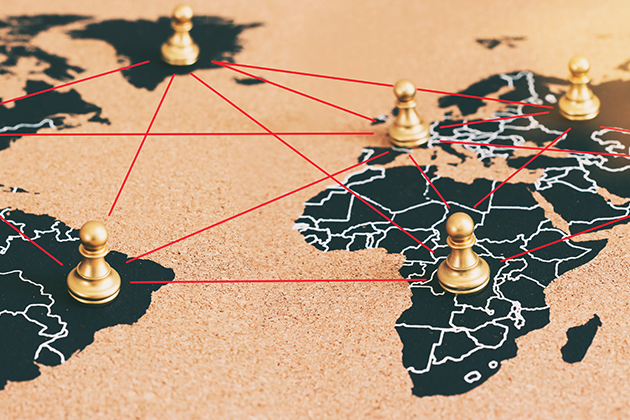
A series of rapidly unfolding developments across global politics is signalling a period of heightened uncertainty, as conflicts intensify, alliances come under pressure, and economic structures face significant change.
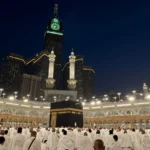
In the Middle East, tensions involving the United States, Israel, and Iran have escalated sharply in recent days. Reports indicate continued exchanges and rising hostilities, raising concerns about the potential for a broader regional conflict. Diplomatic efforts appear increasingly strained, as global powers watch closely to assess the risk of further escalation in an already volatile region.
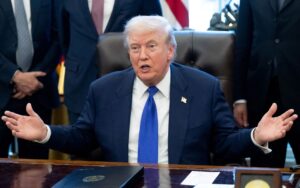
At the same time, Washington’s decision to reduce its military presence in Germany has triggered unease among allies within NATO. The move is being interpreted by some as a shift in strategic priorities, prompting questions about long-term security commitments in Europe. For many NATO members, the decision adds another layer of complexity to an already fragile security environment shaped by ongoing geopolitical tensions.
In the United Kingdom, political uncertainty is deepening as internal pressures mount within the opposition. Keir Starmer faces growing scrutiny over his leadership amid concerns about electoral performance and party unity. At the same time, John Swinney has indicated hopes for what he describes as a “seismic” Celtic nationalist alliance, a development that could reshape political dynamics within the UK and further complicate the national political landscape.
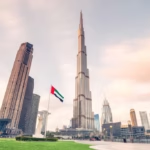
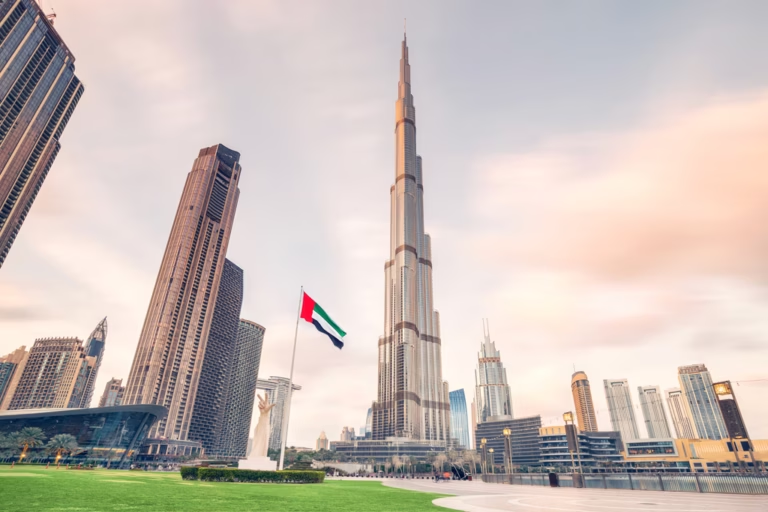
Meanwhile, the global energy sector is undergoing a notable shift following the decision by the United Arab Emirates to exit OPEC. The move is being widely interpreted as a sign of fragmentation within long-standing energy alliances, with potential implications for global oil markets and pricing stability. Analysts suggest that this could mark the beginning of a more decentralised and unpredictable energy order, as countries increasingly prioritise national interests over collective coordination.
Taken together, these developments highlight a world in transition. From military tensions and shifting alliances to political uncertainty and economic realignment, the current moment reflects a convergence of pressures across multiple fronts. As global leaders respond to these challenges, the direction they choose is likely to have lasting consequences for international stability in the months ahead.

+ There are no comments
Add yours