







A decision by the United States to withdraw thousands of troops from Germany is raising fresh questions about the future of transatlantic security cooperation, as officials on both sides seek clarity over the scope and implications of the move.
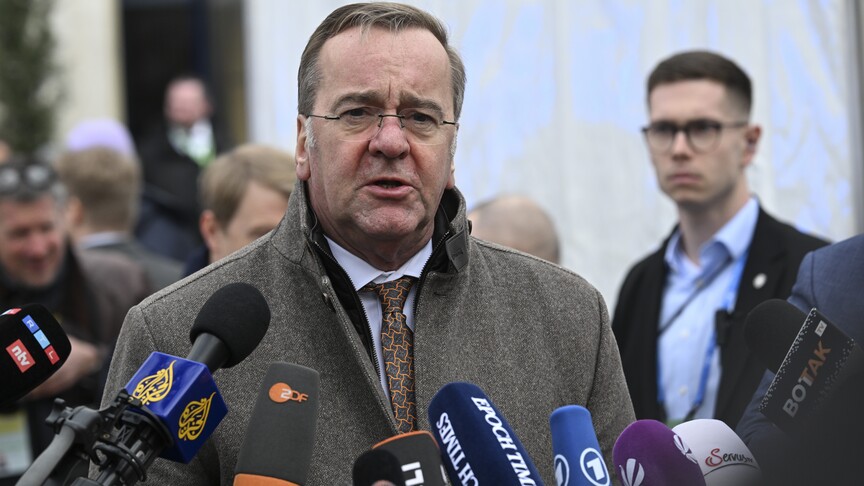
Germany’s Defence Minister, Boris Pistorius, described the planned withdrawal of 5,000 US troops as “foreseeable”, reflecting what many analysts see as a continuation of shifting American strategic priorities. Speaking to the DPA news agency, he emphasised that the presence of US forces in Europe remains mutually beneficial, stating that it serves both European security interests and those of Washington.
The move has prompted concern within NATO, where officials are seeking further details from Washington. NATO spokeswoman Allison Hart said the alliance is actively working to understand the specifics of the decision, underscoring uncertainty among member states at a time of heightened geopolitical tension.
Speaking on Saturday, former US President Donald Trump suggested the reduction could go even further. “We’re going to cut way down, and we’re cutting a lot further than 5,000,” he said, without providing additional details. The remarks have added to concerns that the initial withdrawal may be part of a broader repositioning of US military forces in Europe.
The United States currently maintains more than 36,000 active-duty troops in Germany, making it the largest American military presence on the continent. This compares with approximately 12,000 troops stationed in Italy and around 10,000 in the United Kingdom. Germany has long served as a central hub for US military operations in Europe, supporting both NATO missions and broader strategic objectives.
Washington’s decision comes amid political friction between US and German leadership. Friedrich Merz, Germany’s chancellor, recently criticised the United States, saying it had been “humiliated” by Iranian negotiators during ongoing tensions linked to the conflict involving Iran. The comments appear to have added strain to an already sensitive diplomatic relationship.
The timing of the withdrawal has drawn particular attention, as it coincides with rising instability in the Middle East and continued security challenges in Europe. For many NATO members, the presence of US troops is seen as a cornerstone of deterrence and collective defence.
While the full scale and timeline of the withdrawal remain unclear, the announcement has reinforced a broader perception of uncertainty in global security arrangements. As allies await further clarification, the development is likely to fuel debate over the future role of the United States in European defence and the resilience of long-standing alliances.







+ There are no comments
Add yours