







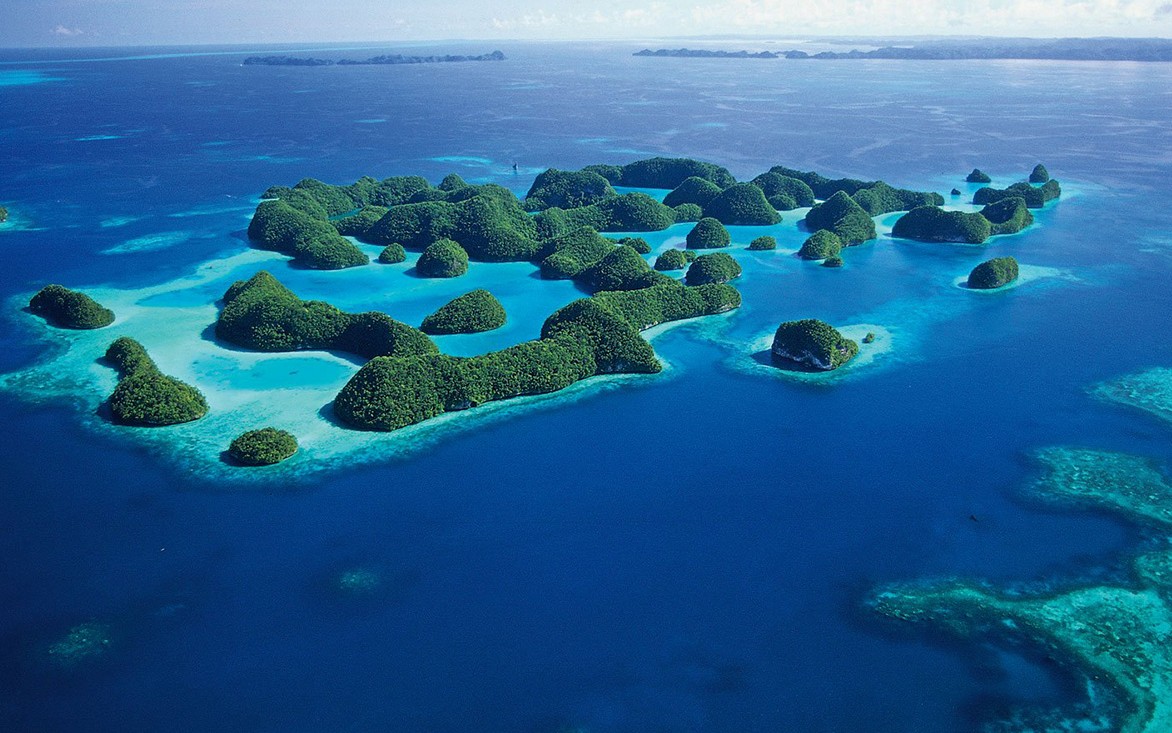
In an era when global travel has made even the most remote corners of the planet accessible, truly untouched islands are becoming rare treasures. Yet scattered across oceans and seas are destinations that have, so far, escaped the overwhelming tide of mass tourism. These islands offer something increasingly hard to find: raw beauty, cultural authenticity, and a sense of quiet that crowded hotspots can no longer provide.
In Southeast Asia, Raja Ampat stands out as a paradise of turquoise waters and towering limestone karsts. While known among divers for its extraordinary marine biodiversity, it remains largely insulated from large-scale tourism due to its remote location and limited infrastructure. Similarly, the islands of São Tomé and Príncipe offer lush rainforests, volcanic landscapes, and empty beaches, where visitors are more likely to encounter fishermen than tour groups.
In Europe, lesser-known islands provide a quieter alternative to the continent’s crowded summer destinations. Vis, once a military base closed to foreigners, has retained its laid-back charm and crystal-clear waters without the heavy development seen elsewhere along the Adriatic coast. Farther north, Lofoten Islands combine dramatic peaks with serene fishing villages, offering natural beauty that feels untouched despite growing interest.
The Pacific also holds hidden gems. Aitutaki is often overshadowed by more famous tropical destinations, yet its vast blue lagoon and small population create an atmosphere of near-total tranquility. Meanwhile, Isle of Pines enchants visitors with its white sands and towering pine trees, remaining far less commercialized than many of its regional counterparts.
What sets these islands apart is not just their beauty, but their resistance to overdevelopment. Limited accessibility, strong environmental protections, and community-led tourism models have helped preserve their character. However, this balance is fragile. As travel trends shift toward “hidden gems,” even these secluded havens risk being discovered too quickly.
For travelers, the appeal lies in experiencing places where nature still dominates and local cultures remain intact. For the islands themselves, the challenge is maintaining that identity in the face of growing global curiosity. In a world of increasingly crowded destinations, these rare escapes remind us that true paradise often lies just beyond the spotlight.









+ There are no comments
Add yours