







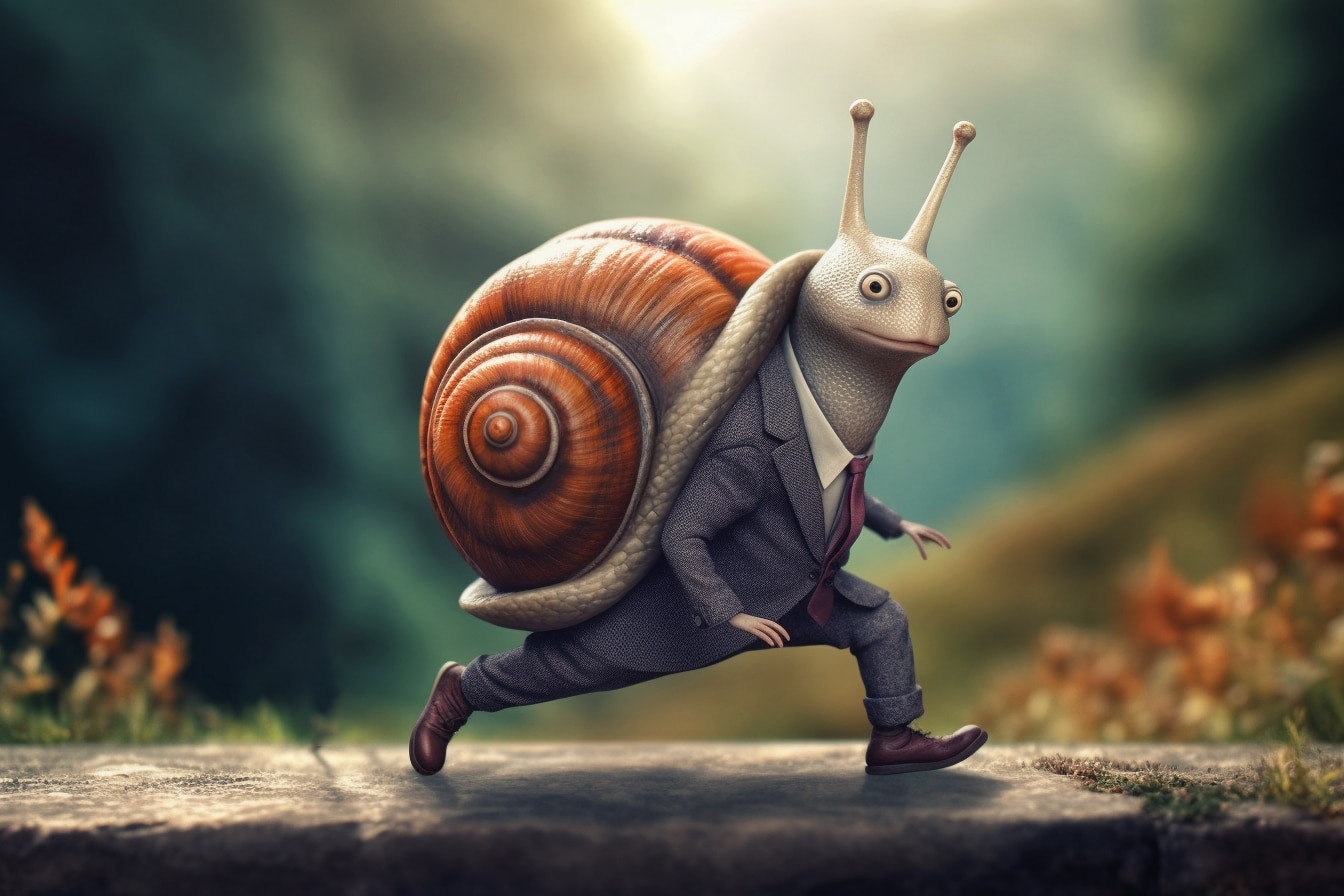
In today’s fast-paced world, a growing debate is emerging between two opposite lifestyles: slow living and hustle culture. While one promotes rest and balance, the other focuses on constant work and achievement. The question being asked more often is which lifestyle actually leads to better mental health and long-term happiness.
Hustle culture encourages people to stay constantly productive, often working long hours and always chasing goals. Many people see it as a path to success, financial growth, and career advancement. However, mental health experts and lifestyle observers have warned that this nonstop pressure can lead to stress, burnout, and emotional exhaustion. Increasing workloads and lack of rest are being linked to sleep problems and reduced overall well-being.
On the other hand, slow living is becoming more popular as a response to this high-pressure lifestyle. It focuses on slowing down daily life, reducing unnecessary stress, and prioritizing mental peace. People following this approach try to spend more time on rest, relationships, and simple daily routines instead of rushing through tasks. The idea is to live more mindfully rather than constantly being in a hurry.
The debate between the two lifestyles has become more visible in recent years, especially among younger generations. Many are questioning whether success is worth it if it comes at the cost of mental health. Some people prefer hustle culture for its discipline and growth opportunities, while others feel slow living offers a healthier and more sustainable way of life.
Experts suggest that both lifestyles have advantages and disadvantages. Hustle culture can help people achieve goals faster, but it may increase stress levels if not balanced properly. Slow living improves mental health and reduces pressure, but it may not suit highly competitive environments.
As a result, many people are now trying to find a middle path—working hard when needed but also making time for rest and personal well-being. This balanced approach is increasingly seen as a more realistic way to handle modern life.
The discussion continues as society rethinks what success really means—more achievements or more peace of mind.









+ There are no comments
Add yours