






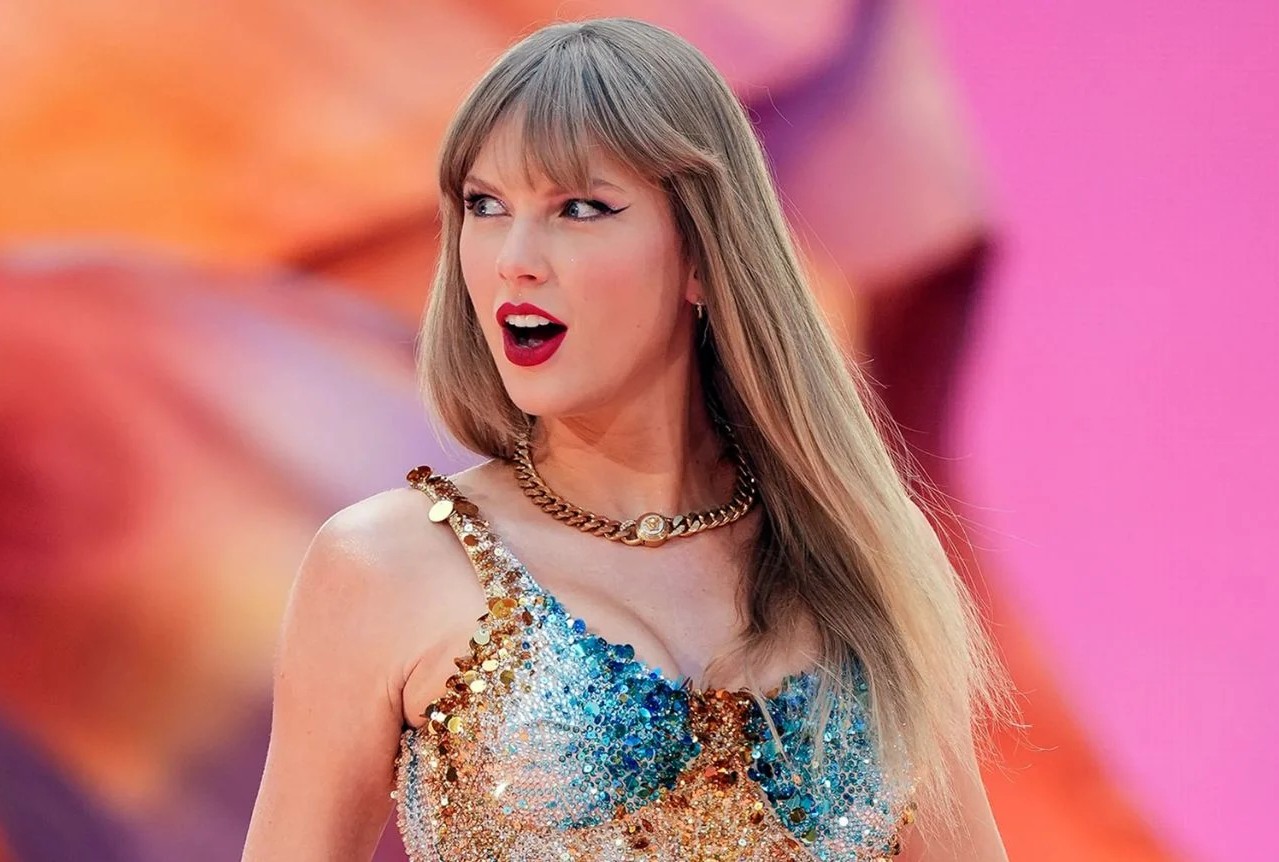
Pop superstar Taylor Swift has taken a new legal step to protect her identity in the age of artificial intelligence, filing trademark applications covering elements of her voice and visual likeness.
According to filings, Swift is seeking protection for two distinct audio clips and one image of herself a move legal experts say is designed to guard against the growing threat of AI-generated deepfakes. These manipulated videos and audio recordings can convincingly mimic real people, raising concerns across the entertainment industry about misuse and impersonation.
A trademark attorney familiar with the strategy said the filings signal a proactive attempt to establish clear ownership over recognizable aspects of Swift’s identity. By doing so, the singer could gain stronger legal grounds to challenge unauthorized uses of her voice or image, particularly in cases where artificial intelligence is used to replicate them.
The rise of generative AI tools has made it increasingly easy to produce realistic but fabricated content, including songs, speeches, and videos that appear to feature well-known figures. For artists like Swift, whose voice and persona are central to their brand, the risks extend beyond reputation to potential financial harm.
Swift’s move reflects a broader shift among celebrities and public figures seeking to adapt existing intellectual property laws to new technological realities. While copyright and publicity rights offer some protections, they do not always directly address AI-generated imitations, leaving gaps that trademarks may help fill.
Industry analysts say the filings could set a precedent if successful, encouraging other artists and performers to pursue similar protections. As deepfake technology becomes more widespread, legal strategies are evolving alongside it, with courts and regulators still working to catch up.
The applications also underscore growing pressure on policymakers to clarify how identity, creativity, and ownership should be protected in an era where digital replicas can be created with ease.
For now, Swift’s legal action highlights a simple reality: as artificial intelligence blurs the line between real and synthetic, control over one’s own voice and image is becoming an increasingly valuable and contested asset.








+ There are no comments
Add yours