




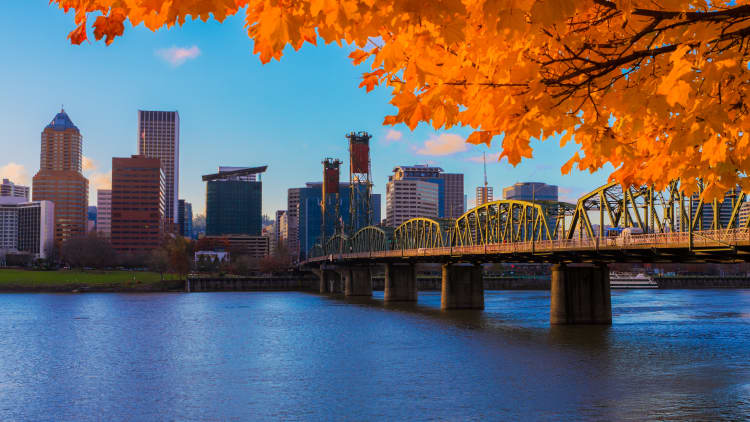
Once known for its vibrant street life and independent retail culture, Portland is now confronting a visible and persistent challenge: a rising number of empty storefronts across key commercial corridors. From downtown avenues to neighborhood business districts, vacant retail spaces have become an increasingly common sight, reflecting deeper economic and social shifts affecting the city.
Local business owners and residents point to a combination of factors behind the trend. The long shadow of the COVID-19 pandemic disrupted foot traffic and consumer habits, while the rapid growth of e-commerce has continued to reshape how people shop. At the same time, high rents, inflation, and labor shortages have made it difficult for small businesses to survive, let alone expand. Areas that once thrived on tourism and office worker activity have been particularly hard hit, as hybrid work patterns reduce daily crowds.
City officials acknowledge the issue but say recovery is underway, albeit uneven. Efforts to revitalize downtown include incentives for small businesses, relaxed zoning rules, and programs aimed at converting unused retail space into housing or mixed-use developments. Still, progress has been slow, and some property owners remain hesitant to lower rents, leaving spaces vacant for extended periods.
Public safety concerns have also played a role in shaping perceptions. While data shows mixed trends, the narrative around crime and disorder has influenced both shoppers and potential tenants. Business groups argue that restoring confidence is just as critical as economic support in bringing life back to commercial streets.
Despite the challenges, signs of resilience are emerging. Pop-up shops, local markets, and creative reuse of vacant spaces are helping to reimagine what retail in Portland can look like. Community-driven initiatives are also stepping in, encouraging local spending and supporting entrepreneurs willing to take risks in uncertain times.
The empty storefront problem in Portland is not unique, but its visibility has made it a defining issue for the city’s post-pandemic recovery. Whether through policy changes, economic adaptation, or grassroots innovation, the path forward will likely require a combination of all three. For now, the darkened windows serve as both a reminder of recent disruptions and a test of how a city known for its creativity responds to change.





+ There are no comments
Add yours