






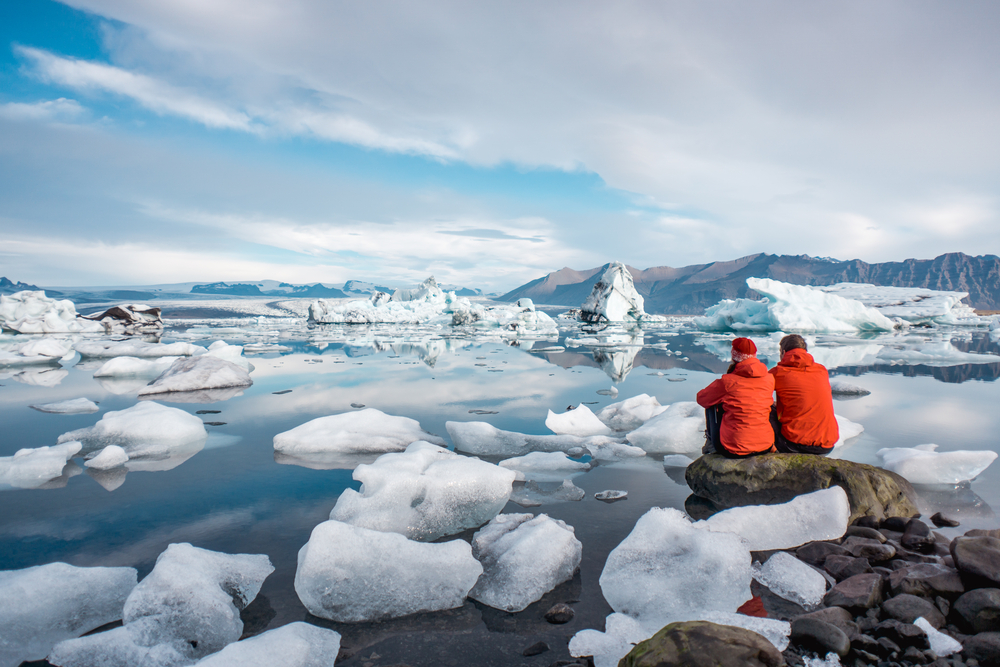
Tourism activity at Iceland’s iconic Jökulsárlón glacier lagoon has risen sharply with the arrival of spring, as seasonal ice melt reshapes the landscape and attracts a growing number of international visitors seeking dramatic natural scenery and off-season adventure travel.
Located in southeast Iceland, the Jökulsárlón lagoon is one of the country’s most visited natural attractions, known for its floating icebergs, deep blue waters, and the nearby “Diamond Beach,” where chunks of glacial ice wash up along black volcanic sand. As temperatures rise during spring, increased glacial calving sends more icebergs drifting into the lagoon, creating constantly shifting formations that draw photographers and tourists from around the world.
Local tourism operators report a noticeable uptick in bookings compared with the winter months, as travel conditions improve and daylight hours extend. Boat tours, which typically resume in spring after seasonal pauses, are seeing strong demand, with visitors eager to navigate between towering ice formations that can change in shape and position within hours.
The seasonal transformation is driven by natural glacial processes, as warmer temperatures accelerate melting and movement from nearby glaciers feeding into the lagoon. This dynamic environment makes Jökulsárlón one of the most visually striking locations in Iceland, but also one of the most sensitive to climate conditions.
Tourism officials say the spring period has become increasingly important for the country’s travel industry, offering a balance between fewer crowds and highly active natural landscapes. Visitors during this time often experience a mix of winter remnants and early summer conditions, including snow-capped peaks, thawing ice fields, and migrating wildlife.
However, the rise in visitor numbers also raises ongoing concerns about environmental pressure on fragile ecosystems. Iceland’s tourism authorities have long emphasised the importance of sustainable travel practices, particularly in glacial regions where climate change is already having a visible impact. Increased foot traffic, vehicle emissions, and demand for infrastructure continue to present challenges for conservation efforts.
Despite these concerns, Jökulsárlón remains a cornerstone of Iceland’s tourism appeal. Its accessibility from the main Ring Road and its unique natural features make it a must-see destination for many travellers exploring the country. The spring season, in particular, is often described by guides as one of the most visually dynamic periods of the year.
As the season progresses, visitor numbers are expected to remain strong, with summer typically bringing peak tourism levels. For now, the lagoon continues to evolve daily, shaped by the slow but powerful movement of ice offering a constantly changing landscape that remains one of Iceland’s most compelling natural attractions.







+ There are no comments
Add yours