






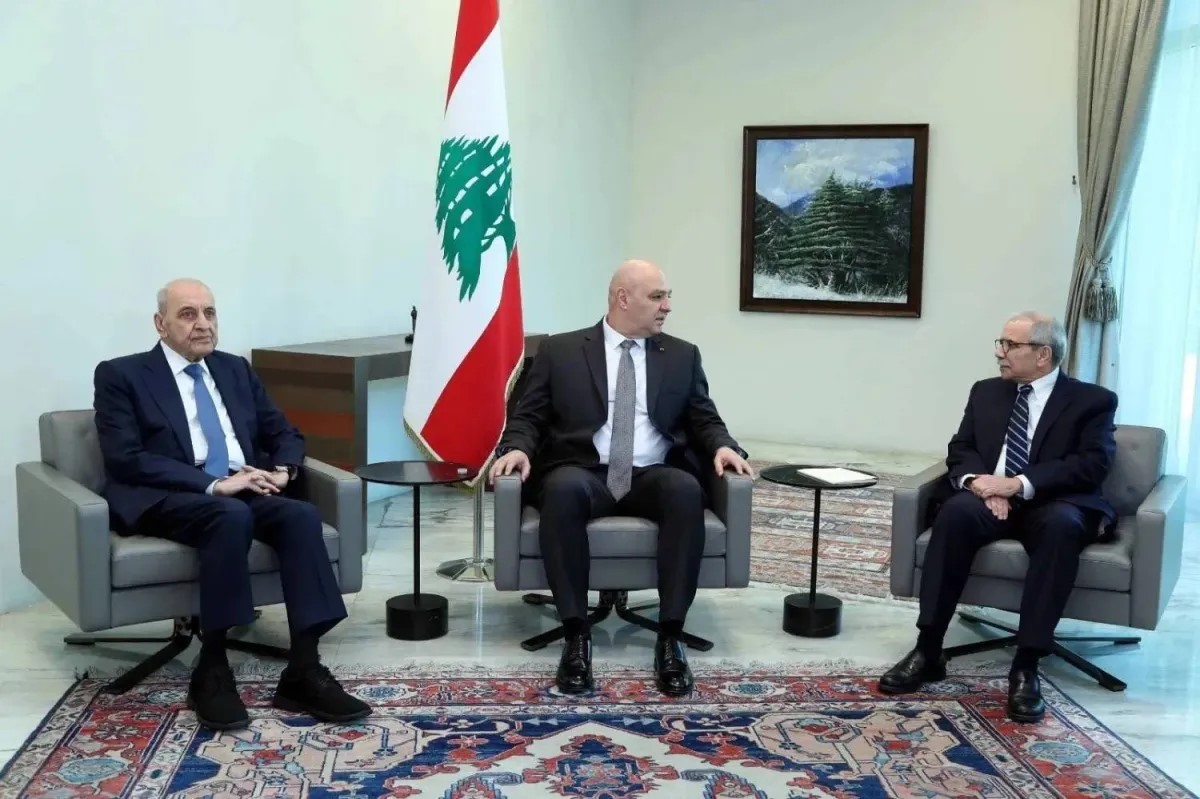
As Lebanon cautiously steps into renewed talks with Israel, the imbalance at the negotiating table is hard to ignore. For Beirut, this moment is less about leverage and more about necessity a reluctant acknowledgment of political, economic, and strategic realities that have steadily eroded its bargaining power.
Lebanon today faces one of the most severe crises in its modern history. Its economy has collapsed under the weight of debt, corruption, and systemic dysfunction. The national currency has lost most of its value, public services are failing, and large segments of the population are struggling to meet basic needs. In this context, entering negotiations is not a choice driven by strength but by survival.
By contrast, Israel approaches the table from a position of relative stability and strategic advantage. With a stronger economy, cohesive military structure, and clear negotiating objectives, it holds most of the tangible cards. This asymmetry shapes not only the tone of the talks but also their likely outcomes.
A central issue underpinning these discussions is security particularly along the volatile southern border. The presence and influence of Hezbollah complicate Lebanon’s position significantly. While Hezbollah remains a dominant force within Lebanon, it operates with a degree of autonomy that limits the Lebanese state’s control over its own negotiating posture. This fragmentation weakens Beirut’s credibility as a unified actor capable of committing to and enforcing agreements.
Moreover, Lebanon’s political system marked by sectarian divisions and institutional paralysis—further undermines its ability to negotiate effectively. Without a cohesive national strategy or unified leadership, any concessions made at the table risk being contested or undone internally.
For Israel, the talks present an opportunity to solidify security arrangements and potentially recalibrate the status quo along its northern border. For Lebanon, however, the goals are less clearly defined. Is it seeking de-escalation, economic relief, international legitimacy, or simply time? The lack of a clear, unified objective further highlights its weakened position.
International actors are likely to play a critical role in shaping the trajectory of these negotiations. External pressure and mediation could help level the playing field to some extent, but they cannot substitute for domestic coherence within Lebanon itself. Without internal reform and political alignment, even the most favorable agreements may prove unsustainable.
Ultimately, Lebanon enters these talks with little leverage but significant stakes. The outcome may not deliver sweeping victories, but even modest gains reduced tensions, clearer boundaries, or limited economic openings could offer a lifeline to a country in distress.
In diplomacy, power often dictates terms. In this case, Lebanon’s challenge will be to navigate negotiations where it holds few cards, yet cannot afford to walk away from the table.





+ There are no comments
Add yours