







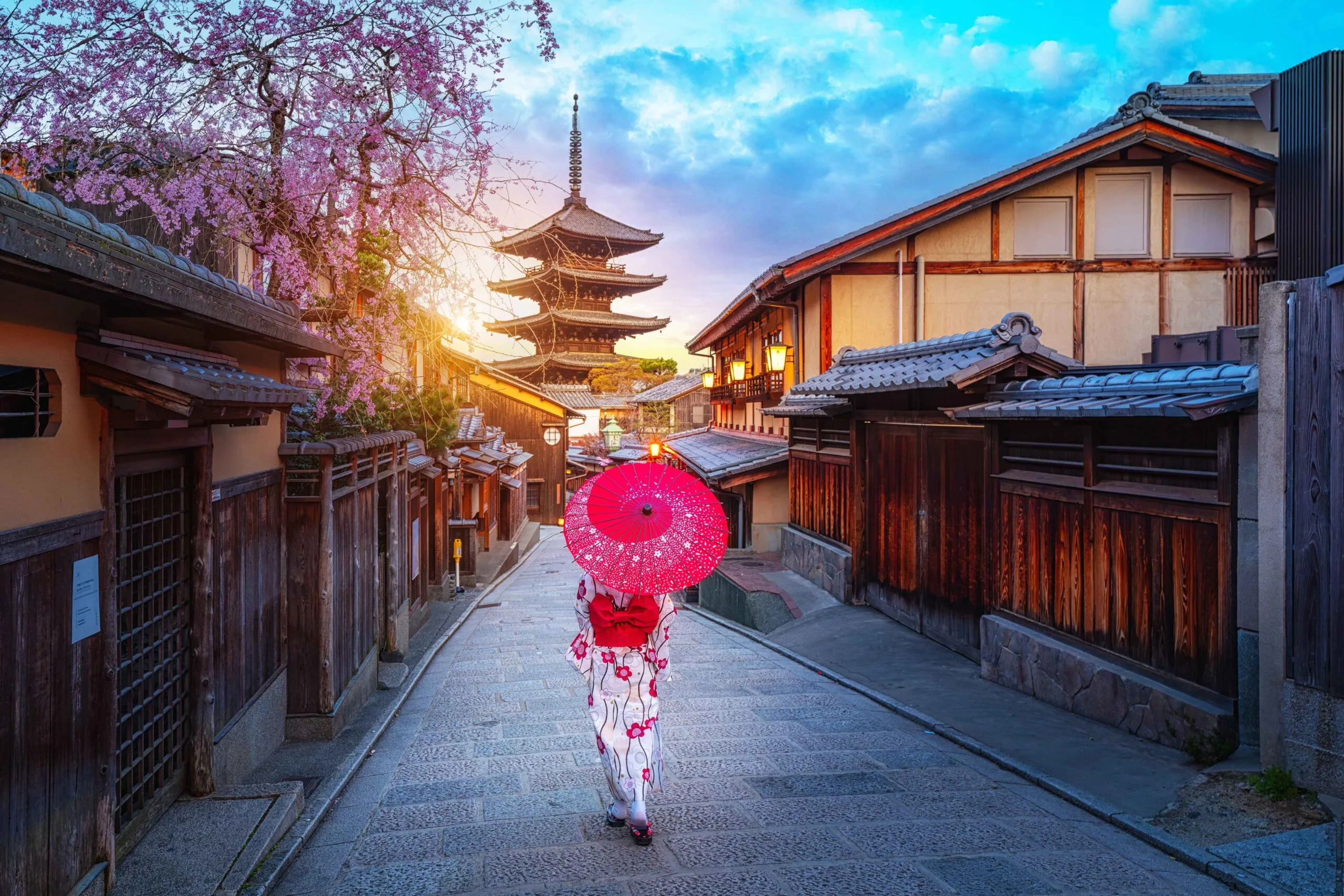
With its ancient temples, peaceful gardens, traditional neighborhoods and deep cultural heritage, Kyoto continues to stand as one of Japan’s most captivating travel destinations, attracting millions of visitors from around the world who seek an authentic connection with the country’s history and traditions.
Once the imperial capital of Japan for more than a thousand years, from 794 to 1868, Kyoto remains a symbol of Japanese culture and craftsmanship. The city’s historic streets, preserved architecture and centuries-old customs offer travelers a rare opportunity to experience a living connection to Japan’s past while enjoying the comforts of a modern destination.
At the heart of Kyoto’s appeal are its remarkable temples and shrines, many of which have survived generations and continue to serve as important spiritual and cultural landmarks. The city is home to the Historic Monuments of Ancient Kyoto, a collection of sites recognized by UNESCO for their outstanding architectural, artistic and historical value.
Among Kyoto’s most famous attractions is Kinkaku-ji, also known as the Golden Pavilion, a stunning Zen temple covered in gold leaf that reflects beautifully in its surrounding pond. Visitors also travel to Fushimi Inari Taisha, famous for its thousands of vibrant red torii gates that create a pathway through the forested hills. Other highlights include Kiyomizu-dera Temple, known for its wooden stage and panoramic views of the city, and the peaceful gardens of Ryoan-ji.
Beyond its landmarks, Kyoto offers travelers a chance to experience traditional Japanese culture through its historic districts. Areas such as Gion preserve the atmosphere of old Kyoto, with wooden houses, narrow streets and traditional tea houses where visitors can discover the world of Japanese arts and hospitality.
The city is also gaining popularity for seasonal travel experiences. During spring, visitors arrive to see cherry blossoms transform temples and gardens into breathtaking landscapes. In autumn, Kyoto becomes a destination for travelers seeking colorful maple leaves, while winter brings a quieter atmosphere with beautifully decorated temples and peaceful scenery.
Kyoto’s food culture is another major attraction, offering visitors a taste of traditional Japanese cuisine. From carefully prepared kaiseki meals to local specialties and tea ceremonies, the city provides an unforgettable culinary experience rooted in centuries of tradition.
As international tourism continues to grow, Kyoto faces the challenge of balancing visitor demand with the preservation of its cultural treasures. Local authorities and communities are working to promote responsible tourism, encouraging visitors to respect historic sites, local customs and the daily lives of residents.
Despite the challenges of popularity, Kyoto remains one of the world’s most extraordinary travel destinations. Its ability to preserve ancient traditions while welcoming modern travelers has made it a timeless destination where history, beauty and culture come together.
For travelers searching for a place that offers more than sightseeing, Kyoto provides a journey through Japan’s soul — a city where every temple, garden and street tells a story that has lasted for centuries.









+ There are no comments
Add yours