







Dietary fiber is gaining renewed attention as health experts continue to highlight its important role in maintaining digestion, supporting heart health and improving overall well-being. Found naturally in plant-based foods, fiber is an essential part of a balanced diet and can provide long-term health benefits when consumed regularly.
Unlike carbohydrates such as sugars and starches, dietary fiber is not fully broken down by the human digestive system. Instead, it passes through the body and helps support important functions, including healthy digestion, blood sugar control and cholesterol management.
One of the biggest benefits of fiber is its ability to improve digestive health. High-fiber foods add bulk to stool, helping prevent constipation and supporting regular bowel movements. Soluble fiber, which dissolves in water, forms a gel-like substance in the digestive tract that can help slow digestion and support a healthy gut environment.
Fiber is also linked to better heart health. Studies have shown that diets rich in soluble fiber may help reduce levels of LDL cholesterol, often known as “bad” cholesterol. By supporting healthier cholesterol levels, fiber may contribute to a lower risk of heart disease and other cardiovascular problems.
Another important benefit of dietary fiber is its role in maintaining healthy blood sugar levels. High-fiber meals are digested more slowly, which can help prevent rapid increases in blood glucose after eating. This makes fiber-rich foods an important part of a balanced diet for people managing diabetes or trying to maintain stable energy levels.
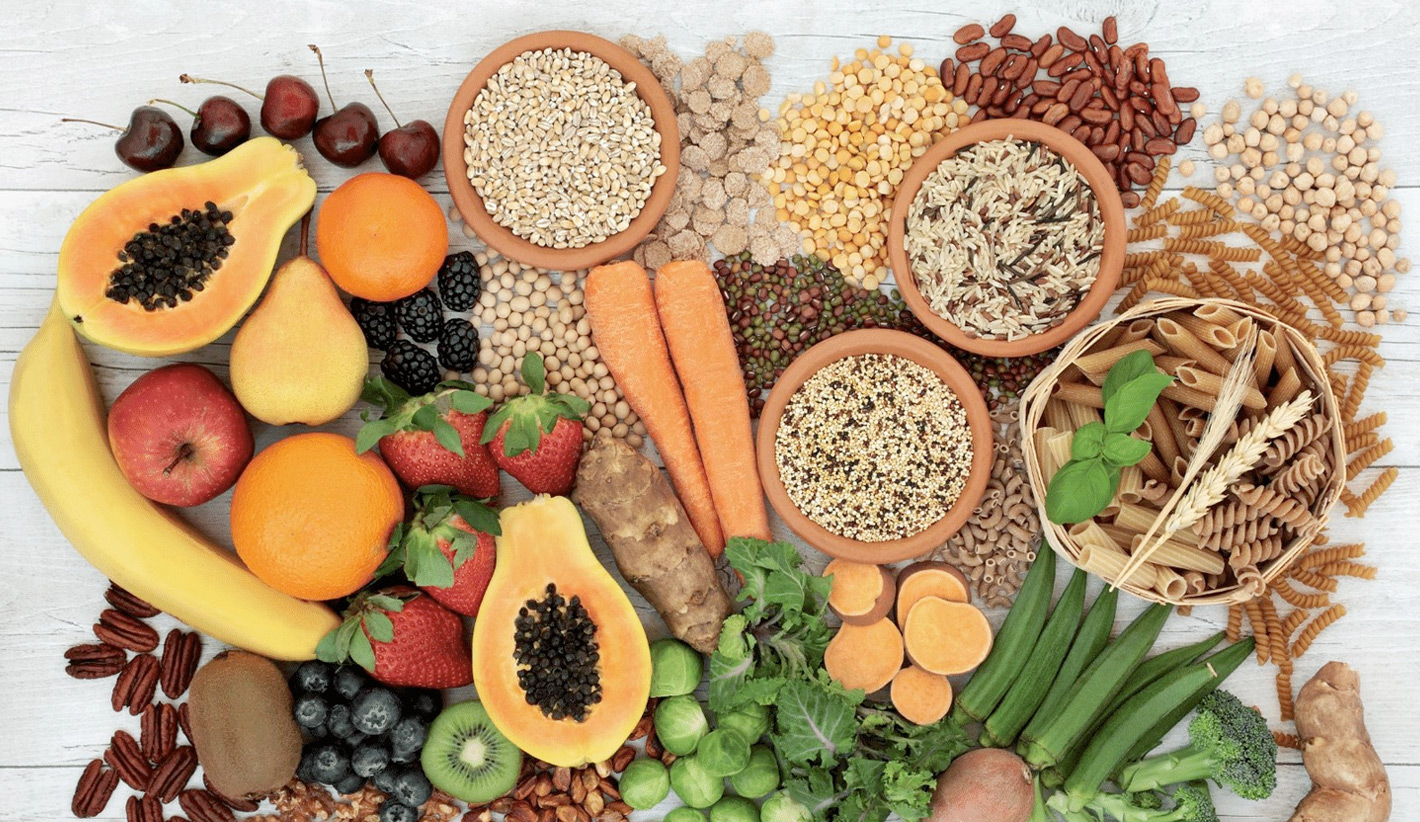
Many everyday foods provide excellent sources of fiber. Fruits such as apples, pears, berries and oranges contain natural fiber, while vegetables including broccoli, carrots, spinach and sweet potatoes are also rich in this important nutrient. Whole grains such as oats, brown rice, barley and whole wheat products provide additional fiber. Legumes, including beans, lentils and chickpeas, are among the most fiber-rich foods available. Nuts and seeds, such as almonds, chia seeds and flaxseeds, are also valuable sources.
Experts recommend increasing fiber intake gradually and drinking enough water, as a sudden increase may cause digestive discomfort for some people. Choosing a variety of fiber-rich foods throughout the day is one of the easiest ways to improve overall nutrition.
Despite its many benefits, many people around the world do not consume enough dietary fiber. Modern diets that rely heavily on processed foods often contain less fiber than traditional diets based on fruits, vegetables, whole grains and legumes.
Adding more fiber to daily meals does not require major changes. Simple choices, such as replacing refined grains with whole grains, adding vegetables to meals, eating fresh fruit as snacks and including beans or lentils in recipes, can significantly increase fiber consumption.
As research continues to reveal the connection between diet and long-term health, dietary fiber remains one of the simplest and most powerful nutrients people can include in their daily routine. A fiber-rich diet not only supports digestion but also contributes to a healthier heart, balanced metabolism and improved quality of life.











+ There are no comments
Add yours