








Global oil markets recorded a sharp increase on Wednesday as rising tensions in West Asia sparked concerns over possible disruptions to energy supplies. Renewed airstrikes, ongoing regional conflicts, and uncertainty surrounding key oil shipping routes pushed investors to seek higher prices amid fears that a prolonged crisis could affect global crude availability.
Brent crude prices climbed to $90.74 per barrel, while U.S. West Texas Intermediate (WTI) crude rose to $84.46 per barrel as traders reacted to growing geopolitical risks. The increase reflected concerns that instability in one of the world’s most important energy-producing regions could threaten production and transportation networks.
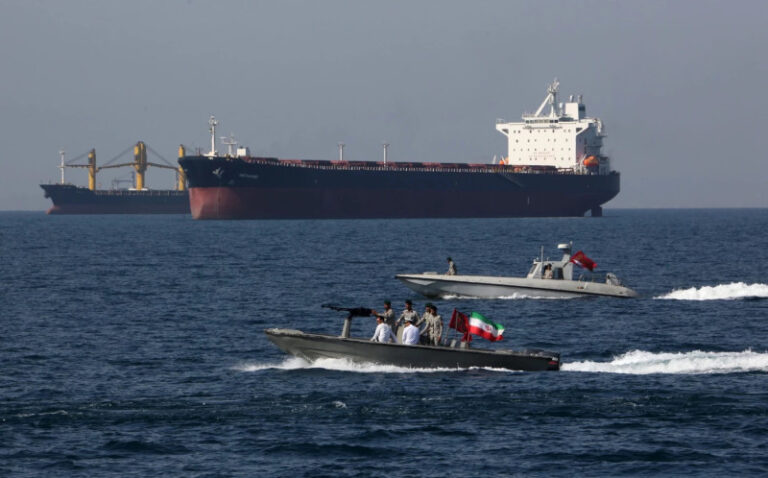
The West Asia region plays a crucial role in global energy markets, with millions of barrels of oil passing through major shipping routes every day. Any disruption to these pathways could create supply shortages, forcing prices higher and increasing costs for consumers and businesses worldwide.
Market pressure was also intensified by a significant decline in U.S. crude oil inventories, which fell to their lowest level since 2018. The unexpected reduction suggested tighter supply conditions and added further momentum to the price rally.
Analysts said oil markets remain highly sensitive to developments in the region, with traders closely monitoring military activity, diplomatic efforts, and the security of major oil transportation routes. Even temporary disruptions could have a major impact on prices due to the interconnected nature of the global energy market.
Higher crude prices could affect fuel costs, transportation expenses, and inflation levels in many countries. Governments and businesses are watching the situation carefully as they assess the potential economic impact of continued volatility.
Despite the price surge, market participants are also weighing other factors, including global demand growth, production decisions by major oil-exporting countries, and economic conditions in key consuming nations. However, geopolitical uncertainty remains the dominant force influencing short-term price movements.
The latest rise in oil prices highlights how quickly global energy markets can react to international conflicts and supply concerns. As tensions continue, investors are expected to remain cautious, with further developments in West Asia likely to determine the direction of crude prices in the coming days.









+ There are no comments
Add yours