






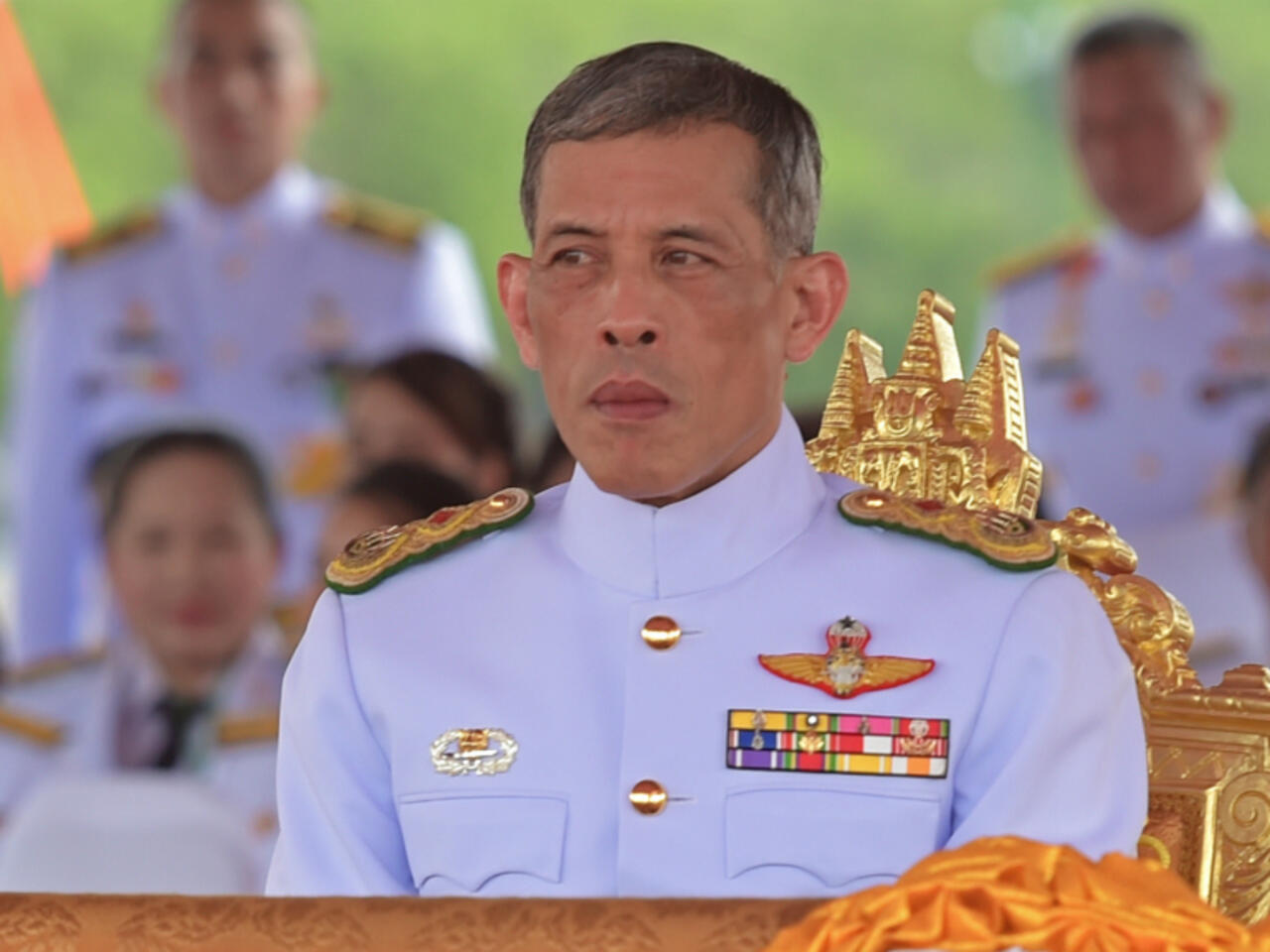
Thailand stands at a delicate intersection of tradition and transformation as King Maha Vajiralongkorn continues to shape the role of the monarchy in a rapidly changing society. As the tenth monarch of the Chakri Dynasty, he inherited a deeply respected institution that has long been central to Thai identity, culture, and national unity.
Maha Vajiralongkorn ascended the throne in 2016 following the passing of his father, King Bhumibol Adulyadej, whose long reign left a profound legacy across the country. In 2019, Vajiralongkorn’s formal coronation marked the beginning of a new era for the Thai monarchy, one defined by both continuity and subtle shifts in royal engagement.
The Thai monarchy operates within a constitutional framework, where political authority is exercised by elected institutions, while the King serves as head of state and a symbol of national unity. Despite the constitutional limits on political power, the monarchy continues to hold deep cultural and emotional significance for many Thais.
Under King Vajiralongkorn’s reign, the monarchy has maintained its traditional ceremonial presence while also adapting to modern realities. Royal events, religious ceremonies, and public appearances continue to play an important role in national life, reinforcing the monarchy’s visibility and symbolic importance.
At the same time, Thailand has experienced increasing public discussion about governance, rights, and institutional reform, particularly among younger generations. These conversations have brought renewed attention to the role of the monarchy in a modern democratic context, highlighting the evolving expectations of parts of Thai society.
Despite differing perspectives, the monarchy remains a unifying institution for many citizens, particularly in times of national celebration and crisis. Royal initiatives and charitable activities continue to contribute to social welfare, disaster response, and rural development, maintaining the monarchy’s presence in everyday life.
King Vajiralongkorn’s reign reflects a broader national journey—one in which long-standing traditions are being reconsidered alongside new social and political realities. As Thailand moves forward, the monarchy’s future role will likely continue to be shaped by the balance between heritage and change.
In this period of transition, Thailand’s royal institution remains both a symbol of continuity and a subject of evolving public conversation, reflecting the complexities of a nation navigating its path in the 21st century.





+ There are no comments
Add yours