







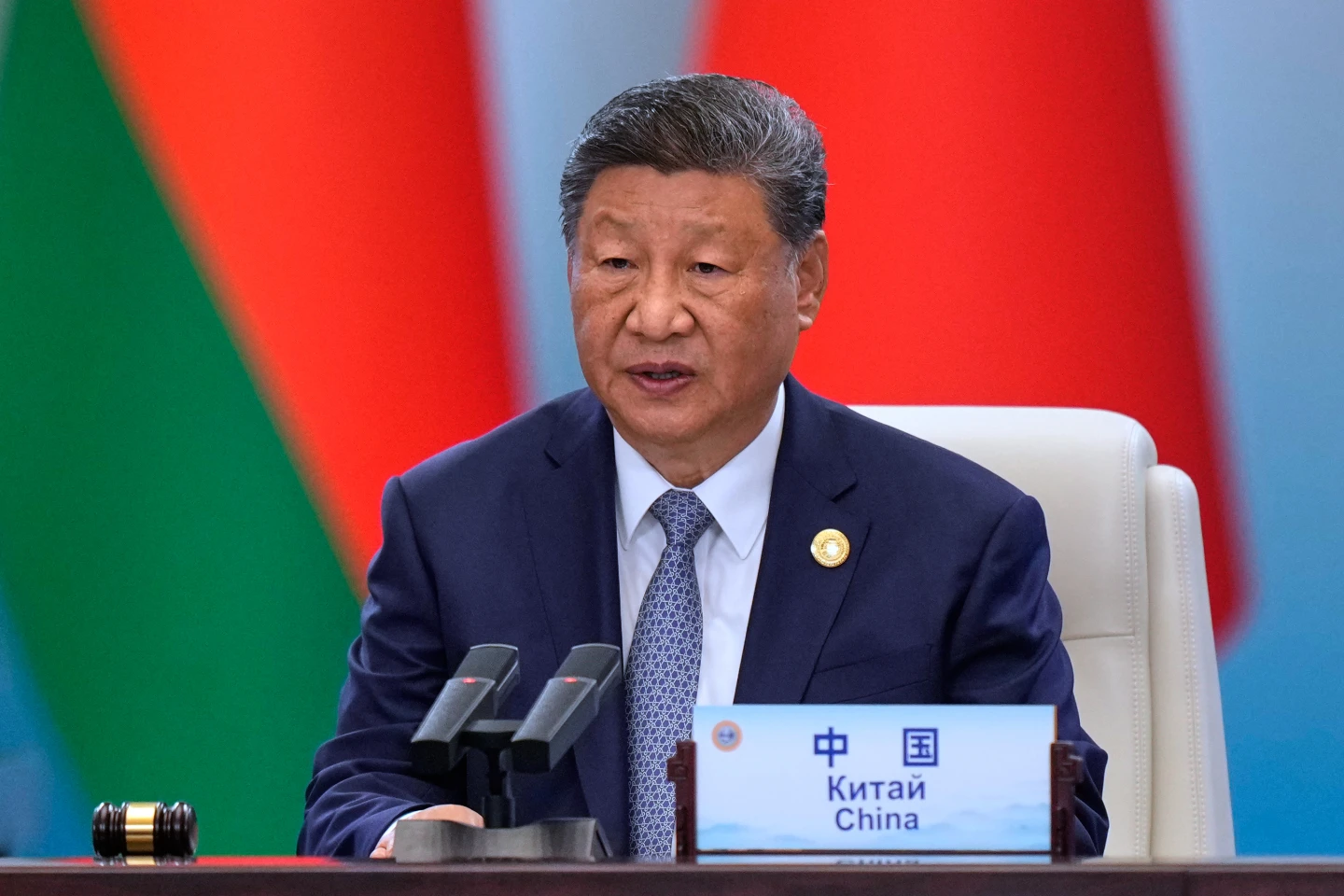
In recent years, China has remained at the center of global attention as governments, analysts, and media outlets examine its growing political and economic influence. As the world’s second-largest economy, China plays a major role in international trade, technology, and diplomacy, making its policies and leadership decisions closely watched across the globe.
One of the key areas of discussion is leadership transparency and decision-making style. Critics argue that centralized leadership structures can limit open debate and reduce the flow of independent information, which in turn raises questions about policy transparency and accountability. Supporters, however, maintain that strong centralized leadership allows for faster decision-making and long-term national planning without political instability.
Economic management and leadership strategy are also widely analyzed. China’s rapid development over recent decades has been driven by state-led planning and large-scale infrastructure investment. While this approach has delivered significant growth, some economists question whether future challenges such as slowing growth, debt pressures, and demographic changes may require more adaptive leadership strategies.
Another major area of global discussion is how leadership decisions influence international relations. China’s expanding global presence through trade partnerships and infrastructure initiatives has strengthened its influence, but it has also led to debates over geopolitical strategy, economic dependency, and diplomatic tensions with other major powers.
Technological advancement has further highlighted leadership priorities. China’s rapid progress in artificial intelligence, telecommunications, and manufacturing reflects strong national coordination, but also raises questions about regulation, global standards, and data governance in an increasingly digital world.
At the same time, supporters of China’s leadership point to its achievements in poverty reduction, infrastructure expansion, and long-term economic transformation as evidence of effective governance. They argue that leadership stability has been a key factor in sustaining development over the past several decades.
As global dynamics continue to evolve, China’s leadership model remains a subject of both study and debate. The ongoing discussions reflect broader questions about how different governance systems address growth, accountability, and global cooperation in a rapidly changing world.
In this complex environment, understanding leadership strengths and challenges is essential for balanced international dialogue and informed global perspectives.










+ There are no comments
Add yours