







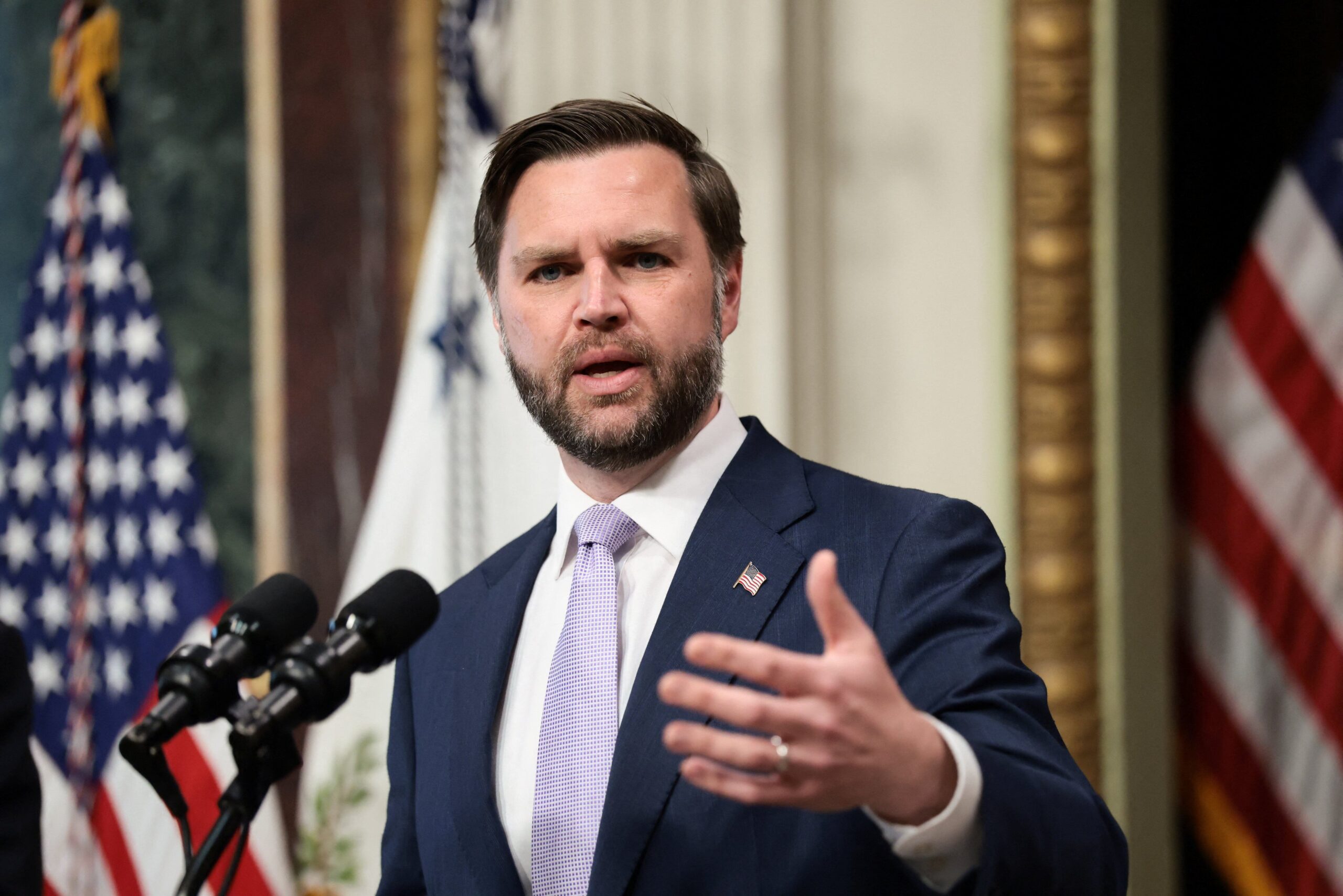
Planned high-level talks between the United States and Iran in Switzerland have been postponed, raising fresh doubts about the durability of a recently announced ceasefire framework and the prospects for long-term diplomatic progress. Officials confirmed that while both sides remain open to negotiations, no new date has been set for the next round of discussions.
According to Swiss authorities, the talks were expected to take place at the Bürgenstock venue as part of an ongoing diplomatic effort involving multiple mediators. However, the meeting was called off shortly before it was scheduled to begin, with logistical challenges and escalating regional tensions contributing to the delay. Switzerland stated that it remains ready to host future discussions and that preparatory work at the venue is continuing.
The postponement comes at a sensitive moment, as renewed violence in parts of the Middle East has complicated diplomatic efforts. Reports indicate that escalating clashes involving Israel and Hezbollah in Lebanon have increased regional instability, prompting concerns that the fragile ceasefire environment could collapse if hostilities continue.
While neither Washington nor Tehran has formally withdrawn from the broader diplomatic process, the delay underscores the difficulties in translating preliminary agreements into sustained negotiations. Officials on both sides have reiterated their willingness to continue talks, but uncertainty remains over timing, conditions, and the implementation of earlier understandings.
The discussions were expected to focus on a wider framework aimed at reducing tensions and addressing key security issues, including nuclear-related concerns and regional stability. However, disagreements over conditions on the ground and differing expectations have repeatedly slowed progress.
Analysts say the postponement highlights how quickly diplomatic momentum can shift in response to developments in the region. Even as negotiators express commitment to dialogue, real-world conflicts continue to influence the pace and viability of talks.
For now, the future of US-Iran engagement remains uncertain, with both sides signaling openness but no clear timeline for renewed negotiations. The situation continues to evolve, with international observers closely watching whether diplomatic channels can be restored or further delayed by ongoing regional instability.







+ There are no comments
Add yours