







Financial markets reacted sharply following the Federal Reserve’s latest policy meeting and press conference, as investors interpreted a renewed focus on inflation as a signal that interest rate hikes could arrive sooner than previously expected. The shift in tone has reignited debate over how central bank communication influences market behavior and policy expectations.
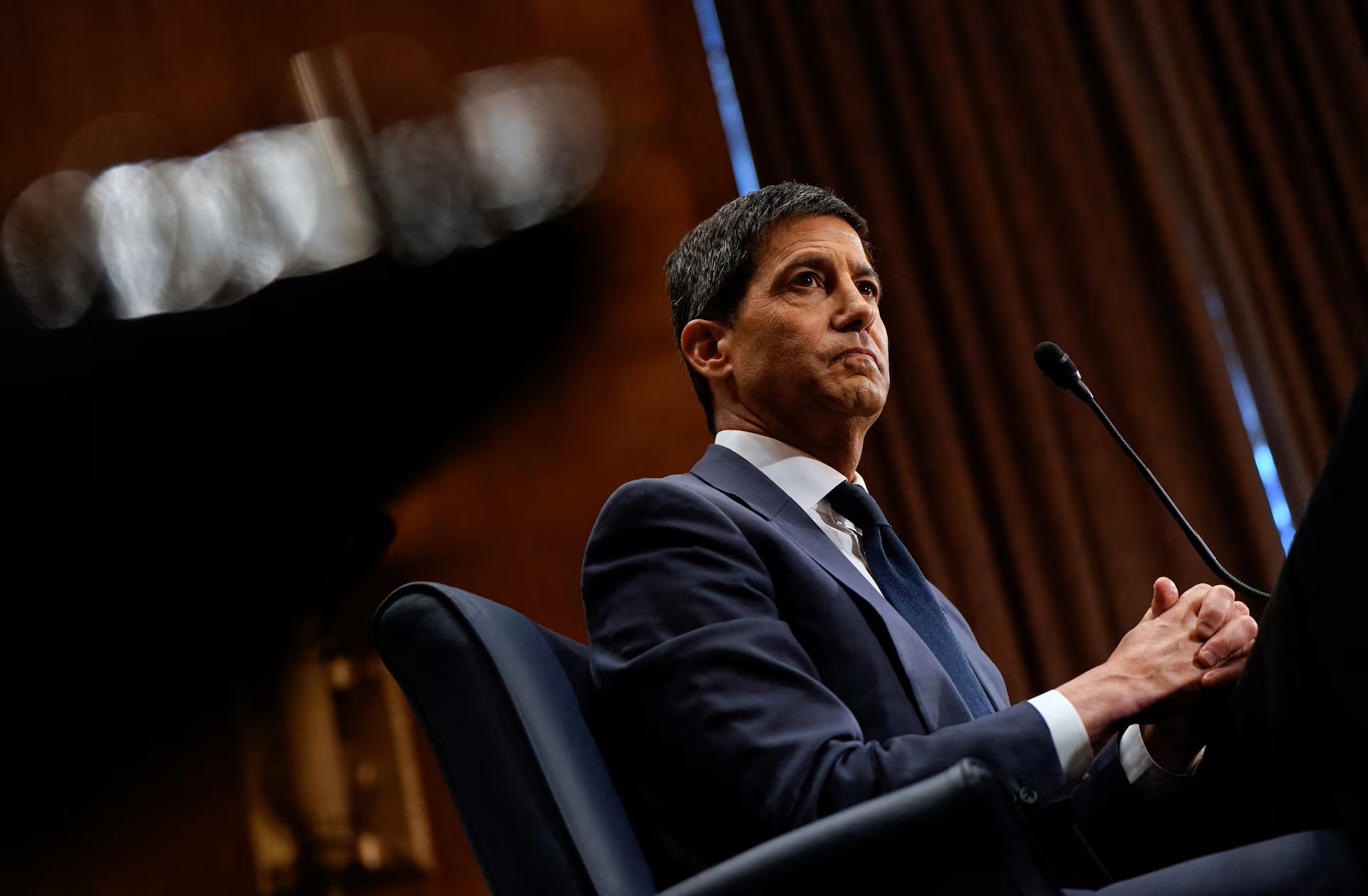
At its most recent meeting, the Federal Open Market Committee (FOMC) held interest rates steady in the 3.50% to 3.75% range, where they have remained since December. However, attention quickly turned to the post-meeting press conference led by newly influential Fed figure Kevin Warsh, whose remarks placed strong emphasis on restoring price stability.
Analysts and market participants noted that Warsh’s messaging lacked detailed guidance on the central bank’s future decision-making framework. This absence of nuance, particularly regarding the conditions required for future rate hikes, led investors to interpret the comments as more hawkish than intended. As a result, bond yields rose as markets priced in a higher probability of near-term tightening.
Krishna Guha of Evercore ISI described the reaction as being “massively amplified” by a communication style that emphasized inflation control while offering limited insight into the Fed’s broader policy reaction function. He argued that clearer discussion of strategy and decision-making frameworks is essential for more effective central banking.
The policy statement itself reflected a notable shift in tone compared to previous Federal Reserve communications. Rather than simply stating that inflation is elevated, it described inflation as elevated “relative to the Committee’s 2% target.” It also framed employment growth as having “kept pace with the workforce,” a formulation that analysts say avoids more traditional assessments of labor market tightness.
Beyond inflation and employment, the statement highlighted productivity and capital investment as key drivers of future economic growth, while omitting detailed references to other components of gross domestic product such as consumption, trade, and government spending. The Federal Reserve also removed its usual assessment of risks to its dual mandate, replacing it with a more definitive commitment to “deliver price stability.”
Economists say the shift reflects a broader attempt to simplify messaging while reinforcing anti-inflation credibility. However, critics argue that reducing transparency around the Fed’s reaction function may increase uncertainty in financial markets, particularly during periods of economic transition.
The communication strategy has also raised questions about the long-term direction of Federal Reserve policy under new leadership. Proposed internal task forces on issues such as communications reform, balance sheet strategy, inflation targeting, productivity, and real-time data usage suggest a potential overhaul of how the central bank interprets and responds to economic conditions.
Some economists view these initiatives as an opportunity to modernize policy tools and improve data-driven decision-making. Others caution that abrupt changes in communication style and policy framing could challenge the Fed’s credibility if not carefully managed.
As markets continue to adjust to the new tone, the balance between clarity, flexibility, and predictability in central bank communication remains under close scrutiny. The coming months will test whether the Federal Reserve’s evolving approach can maintain stability while navigating persistent inflation concerns and shifting economic dynamics.










+ There are no comments
Add yours