







Australia’s Bureau of Meteorology has officially declared the arrival of an El Niño weather pattern in the tropical Pacific, warning that the phenomenon could strengthen significantly in the coming months and become one of the most powerful climate events witnessed in more than seven decades.
The announcement comes as scientists observe rising sea surface temperatures across the central and eastern Pacific Ocean, accompanied by atmospheric conditions that are consistent with the development of El Niño. According to the Bureau, multiple forecasting models indicate that the event is likely to intensify during the second half of the year, potentially reaching levels comparable to some of the strongest El Niño episodes recorded since 1950.
In a statement released on Tuesday, the Bureau of Meteorology said sea surface temperatures had already surpassed the threshold commonly used to identify El Niño conditions. Atmospheric indicators, including changes in wind patterns and ocean-atmosphere interactions, further confirmed the onset of the climate phenomenon.
“Forecasts are pointing towards a strong to very strong El Niño event, based on the extent of warming in the central tropical Pacific,” the Bureau said. “Around half of the models indicate this event could peak at levels among the highest observed since 1950.”
El Niño is a naturally occurring climate pattern that develops when ocean temperatures in the equatorial Pacific become significantly warmer than average. While it is a regular part of Earth’s climate system, strong El Niño events can trigger widespread weather disruptions across multiple continents, influencing rainfall, temperature patterns, agricultural production, and natural disasters.
Meteorologists expect the developing event to have far-reaching consequences around the world. In the Americas, El Niño is typically associated with increased rainfall and a higher risk of flooding in several regions. Countries along the western coast of South America may experience unusually heavy precipitation, while parts of North America could also see shifts in seasonal weather patterns.
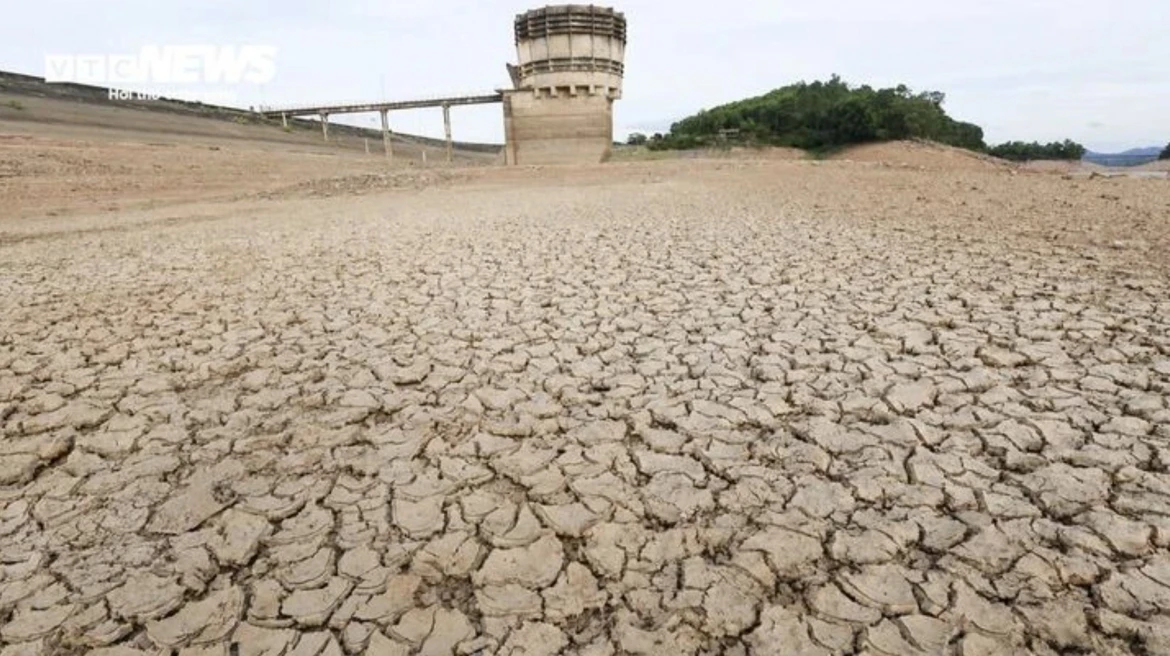
Across Asia and Australia, however, the outlook is more concerning. El Niño often brings hotter and drier conditions, increasing the likelihood of droughts, water shortages, and bushfires. Agricultural regions that rely on seasonal rainfall may face reduced crop yields, placing additional pressure on food production systems already challenged by climate change and extreme weather events.
The warning comes at a time when several Asian countries are already experiencing difficulties with crop planting due to irregular weather conditions. Experts fear that prolonged heat and reduced rainfall could further damage agricultural output, affecting the production of staple foods such as rice, wheat, and corn.
Food security analysts are increasingly concerned that a strong El Niño could contribute to higher global food prices. Reduced harvests in major agricultural regions, combined with disruptions to supply chains, may create shortages that affect both producers and consumers. Developing nations are considered particularly vulnerable, as rising food costs can have severe social and economic consequences.
Climate scientists note that the current El Niño is developing against the backdrop of record global temperatures driven by climate change. The combination of natural climate variability and long-term warming trends could amplify extreme weather impacts, resulting in more intense heatwaves, prolonged droughts, and severe storms.
Recent years have demonstrated how vulnerable communities and economies can be to climate-related disruptions. Heatwaves have broken temperature records across multiple continents, while extreme rainfall events have caused widespread flooding and infrastructure damage. Experts warn that a powerful El Niño could increase the frequency and severity of such events during the coming months.
Governments across the Asia-Pacific region are already preparing contingency plans to manage potential impacts. Authorities are reviewing water management strategies, strengthening emergency response systems, and monitoring agricultural conditions to minimize disruptions. International organizations are also closely tracking forecasts and advising countries to prepare for possible humanitarian and economic challenges.
Environmental researchers stress that while El Niño is a natural climate cycle, its effects are becoming increasingly significant in a warming world. They argue that investments in climate resilience, sustainable agriculture, and disaster preparedness will be critical in helping communities adapt to future weather extremes.
As the tropical Pacific continues to warm, scientists will closely monitor the evolution of the event throughout the year. Whether it reaches the upper range of current forecasts remains uncertain, but experts agree that the world should be prepared for substantial weather disruptions if the phenomenon strengthens as expected.
With forecasts pointing toward one of the strongest El Niño events in decades, governments, businesses, and communities worldwide are facing a renewed reminder of the powerful influence that climate patterns can have on global weather, economies, and food supplies.









+ There are no comments
Add yours