


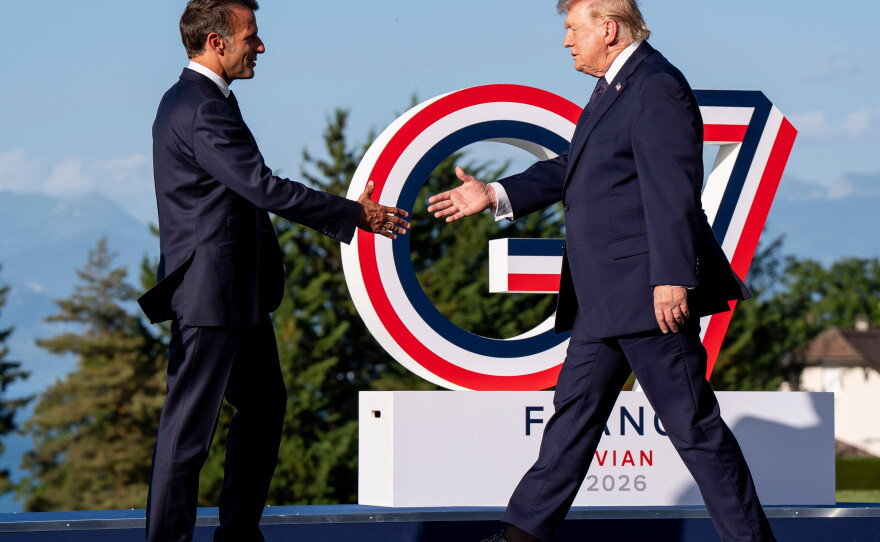
Leaders of the Group of Seven (G7) nations convened in the French resort town of Evian-les-Bains on Tuesday for a high-stakes summit dominated by discussions on Russia’s ongoing war in Ukraine and a newly announced agreement between the United States and Iran.
The gathering, which brings together the world’s leading industrialized democracies, comes at a critical moment for global security and economic stability. With conflicts in both Eastern Europe and the Middle East reshaping international relations, world leaders are seeking coordinated responses to some of the most pressing geopolitical challenges of the decade.
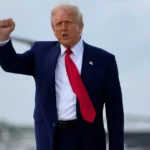
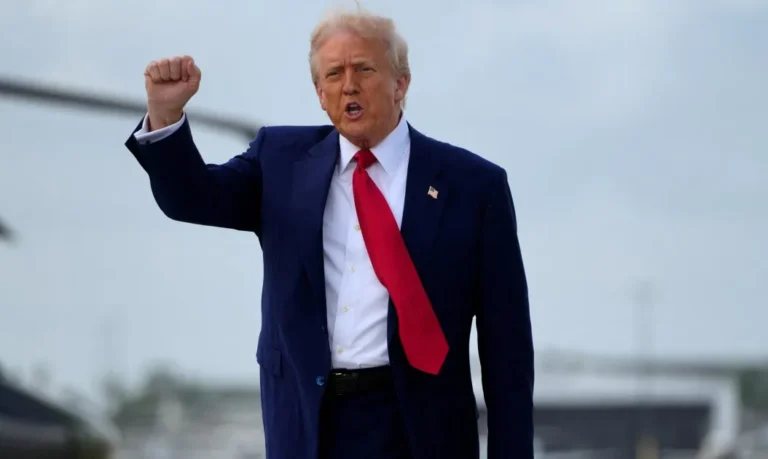
A major development emerged just before the summit’s opening session when U.S. President Donald Trump announced what he described as an agreement to end the three-and-a-half-month conflict between the United States and Iran. The announcement immediately shifted diplomatic attention toward the broader implications of peace efforts in the Middle East and their potential impact on global markets.
“Now that this is finished, we’re going to be focusing on that,” Trump said, referring to efforts aimed at addressing Russia’s war in Ukraine. His remarks signaled a renewed emphasis on resolving one of Europe’s most devastating conflicts in recent history after months of international diplomatic efforts.
The first full day of discussions included a working session focused on stability in the Middle East. Leaders examined the economic consequences of recent regional tensions, particularly the disruption of shipping routes through the Strait of Hormuz, one of the world’s most strategically important maritime passages. The temporary closure of the waterway during the conflict created significant concerns over global energy supplies and international trade, contributing to volatility in financial and commodity markets.
Officials attending the summit emphasized the importance of ensuring secure energy transportation and restoring confidence in global supply chains. Economists have warned that prolonged instability in the Gulf region could continue to affect oil prices and increase inflationary pressures worldwide.
Beyond the Middle East, Ukraine remains a central focus of the summit agenda. More than four years after Russia’s invasion escalated into a full-scale war, the conflict continues to pose major security and humanitarian challenges. G7 leaders are expected to discuss additional support measures for Ukraine, strategies to strengthen European security, and diplomatic options aimed at achieving a sustainable peace.
The summit also highlights the growing importance of international cooperation beyond the traditional G7 membership. In addition to France, the United States, Canada, Germany, Italy, Japan, and the United Kingdom, several guest nations have been invited to participate in discussions. These include Brazil, Egypt, India, Kenya, South Korea, Qatar, Ukraine, and the United Arab Emirates.
The presence of these countries reflects the increasingly global nature of modern challenges, from regional conflicts and economic uncertainty to energy security and climate concerns. Analysts note that broader participation could help strengthen international consensus on key issues while providing diverse perspectives on solutions.
French officials hosting the summit have stressed the need for unity among democratic nations at a time of growing geopolitical competition and uncertainty. Leaders are expected to issue joint statements on security, economic resilience, and international cooperation before the summit concludes.
As discussions continue in Evian-les-Bains, the outcomes of the G7 meeting could shape global diplomacy for months to come. With developments in Ukraine and the Middle East remaining at the forefront of international attention, the summit represents an important opportunity for world leaders to coordinate strategies aimed at promoting stability, reducing tensions, and supporting long-term peace.
The decisions and commitments emerging from the gathering will be closely watched by governments, businesses, and citizens around the world, all of whom have a stake in the outcome of these interconnected global crises.


+ There are no comments
Add yours