





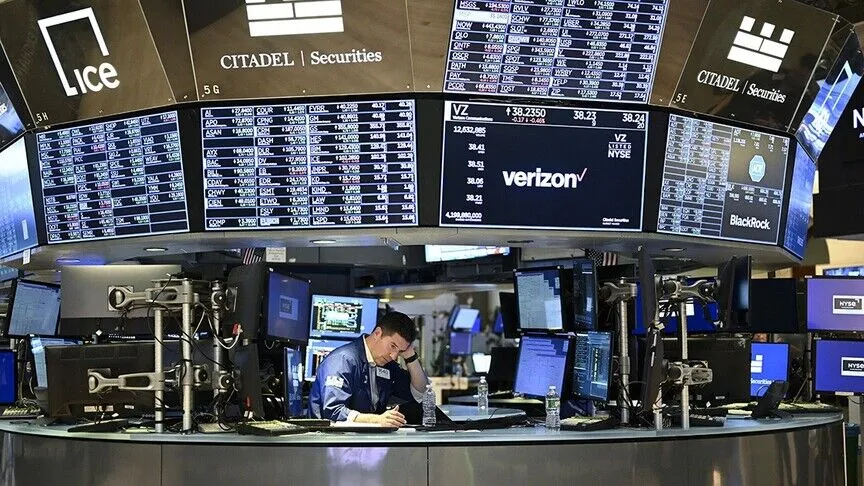
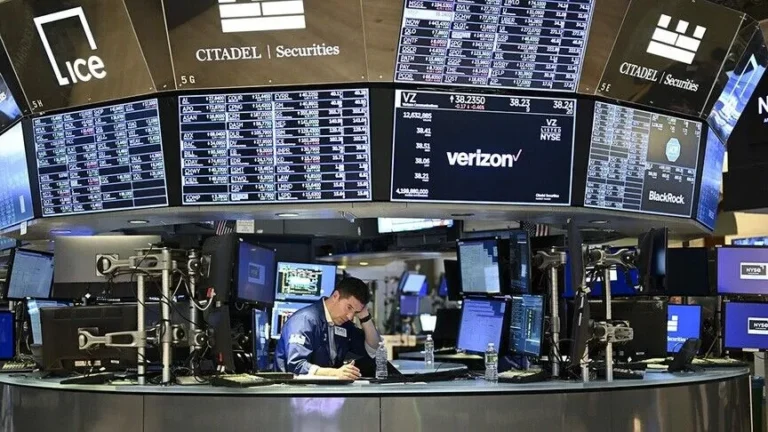
Global financial markets came under renewed pressure on Thursday as rising government bond yields raised concerns about inflation and future interest-rate increases, while investors watched developments in U.S.-China trade relations and ongoing tensions in the Middle East.
Japan’s bond market was at the center of the latest moves after the country’s 10-year government bond yield climbed to 3.075%, its highest level since August 1996. The move followed a sharp rise in U.S. Treasury yields, with the benchmark 10-year Treasury yield reaching 5.125%, its highest level since 2007. Higher yields can increase borrowing costs for governments, companies and households, adding another challenge for economies already dealing with persistent inflation.
Asian stock markets delivered a mixed performance as investors assessed the impact of higher borrowing costs. The MSCI Asia ex-Japan index fell 0.94%, while Japan’s Nikkei 225 gained 1.30%. Australia’s S&P/ASX 200 dropped 0.7%, and China’s CSI300 declined 1.29%.
The bond-market pressure comes as investors increasingly consider the possibility of additional interest-rate increases by major central banks. Federal Reserve Governor Michael Barr said the U.S. central bank’s recent rate increase was part of an effort to recalibrate borrowing costs and indicated that further increases could be necessary. Investors are now watching upcoming comments from other Federal Reserve officials and fresh U.S. economic data for clues about the direction of monetary policy.
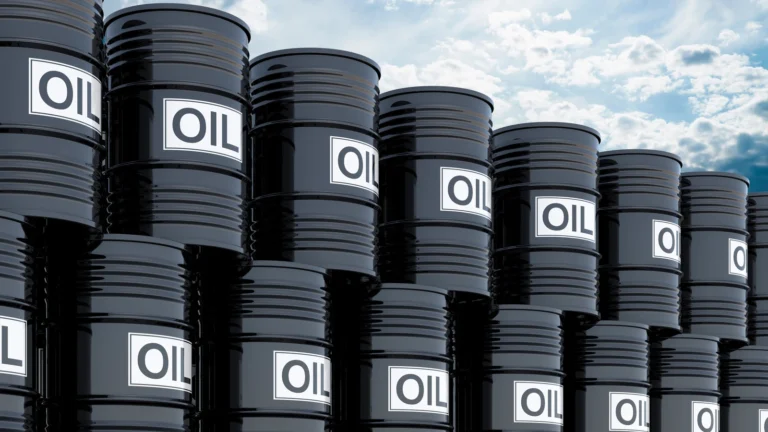
Oil prices, meanwhile, retreated from recent highs as traders reassessed supply risks linked to the conflict involving Iran and the United States. Brent crude fell 0.79% to around $102.27 a barrel, while West Texas Intermediate declined 0.79% to approximately $91.43. Despite the pullback, oil remains a major source of inflation risk for the global economy because higher energy costs can feed into transportation, manufacturing and consumer prices.
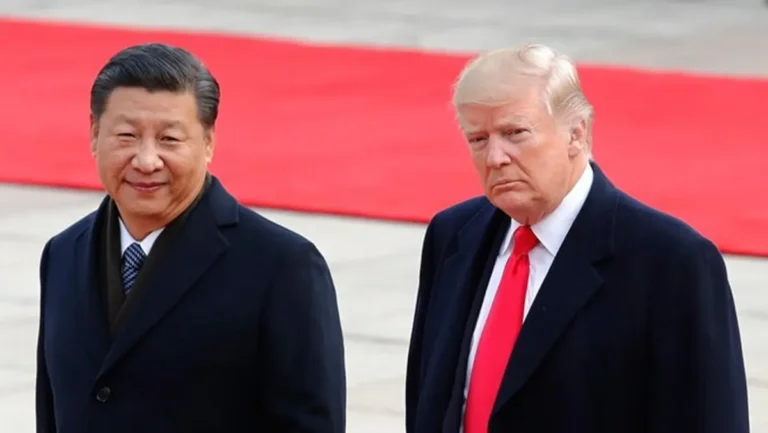
Attention is also turning toward Washington and Beijing as Chinese President Xi Jinping meets U.S. President Donald Trump. U.S. Treasury Secretary Scott Bessent said Washington and Beijing had reached an agreement to extend their 11-month trade truce. Markets are watching whether the talks can reduce uncertainty for companies operating across the world’s two largest economies.
Currency markets remained relatively steady. The dollar index was around 101.08, while the Japanese yen strengthened to about 157.91 per dollar. The euro traded near $1.1383 and sterling around $1.3239.
For businesses and investors, the combination of elevated bond yields, high energy prices and geopolitical uncertainty is creating a complicated global economic environment. Markets are now closely focused on central-bank decisions, U.S. economic data, energy supply conditions and the outcome of major diplomatic and trade discussions.
The immediate direction of global markets will depend on whether inflation pressures continue to push borrowing costs higher or whether easing energy prices and progress on international negotiations can reduce some of the pressure facing investors.





+ There are no comments
Add yours