






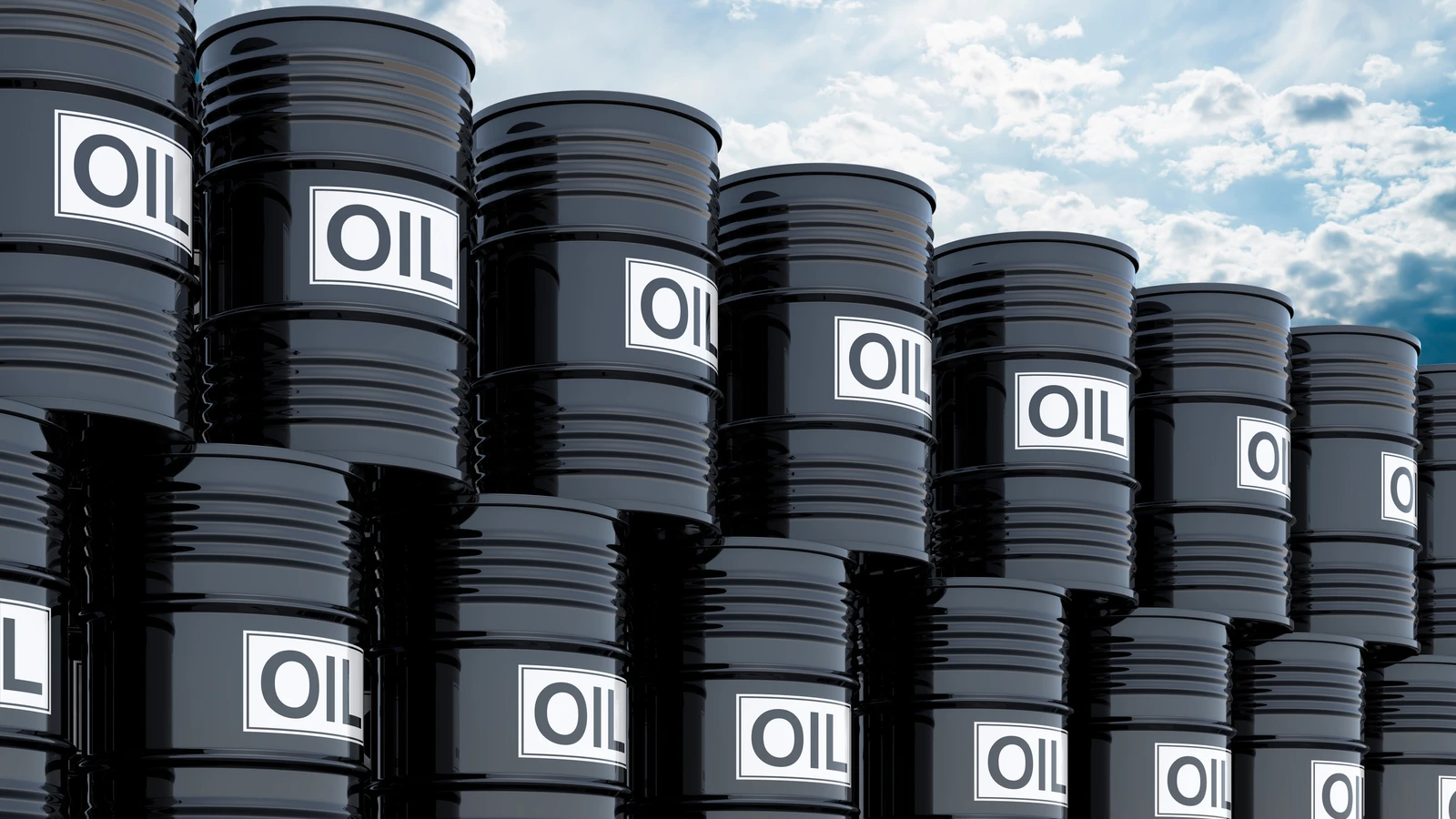
Oil prices extended their longest losing streak in more than a year on Wednesday, falling for a sixth consecutive session as signs of additional Middle Eastern supply and hopes for progress in US-Iran talks eased some of the pressure that has pushed energy markets higher.
Brent crude fell by about $1 to $98.32 a barrel, extending a decline that has taken prices below the $100 threshold for the first time in more than two weeks. If the decline continues through Wednesday, it would mark the longest losing run for oil since August 2025.
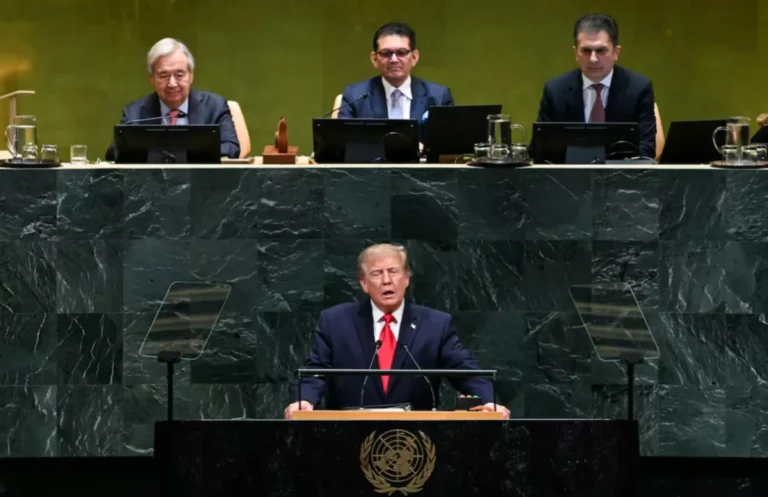
The shift comes as traders closely monitor developments between Washington and Tehran. US President Donald Trump has spoken of progress in talks with Iran while maintaining a tough public position, warning of severe consequences if an agreement cannot be reached.
At the same time, reports that Saudi Arabia has restarted operations on its East-West pipeline have added another source of optimism for the oil market. The pipeline could allow Saudi exports to resume through the Red Sea port of Yanbu, providing an alternative route for shipments and reducing some concerns about regional supply disruptions.
For investors, the possibility of increased supply is arriving at a critical moment. Oil markets have been highly sensitive to developments surrounding the conflict and the security of major shipping routes through the Middle East. Any sign that supplies can move more freely has the potential to reduce the risk premium built into crude prices.
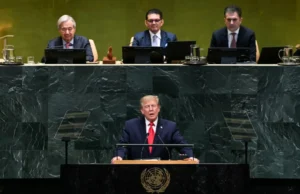
Diplomacy is now becoming just as important to energy traders as military developments. Trump has combined warnings of extreme military action against Iran with statements suggesting that negotiations could eventually produce an agreement. Iranian President Masoud Pezeshkian is also due to address the United Nations General Assembly, while reports have raised the possibility of further diplomatic contacts between the two countries.
A sustained reduction in tensions could have consequences far beyond the oil market. Lower energy prices could ease costs for businesses and consumers, while reducing some of the inflationary pressure created by expensive fuel and transportation.
Global stock markets are meanwhile being driven by a different force: artificial intelligence. Several Asian markets rose for a sixth consecutive session, helped by continued enthusiasm for AI-related companies and technology investment. South Korea’s Kospi gained nearly 0.7%, while Taiwan’s stock market rose about 0.75%. China’s CSI 300 moved in the opposite direction, falling around 0.5%.
European and US stock futures were pointing higher, suggesting that investors were entering the session with a relatively positive tone despite continuing geopolitical uncertainty.
The AI boom is also reaching consumers. Meta’s new personal Muse agent has reportedly remained at the top of US app-download charts since its launch two weeks ago, adding to the growing evidence that artificial intelligence is moving rapidly from corporate investment into everyday consumer technology.
Currency markets, however, are reflecting another concern. The US dollar climbed to a two-month high as investors considered the possibility of higher interest rates. Sterling slipped 0.2% to $1.3316, while the euro fell 0.2% to $1.1423, its weakest level since July.
Markets are also watching Washington for developments in US-China relations. Chinese President Xi Jinping is expected in Washington for talks with Trump, with investors looking for signs that the existing trade truce between the world’s two largest economies could be extended. There is also interest in whether the two countries can find areas of cooperation in artificial intelligence.
That leaves global investors watching several powerful forces at once: the future of US-Iran diplomacy, the stability of Middle Eastern energy supplies, US-China trade relations, interest-rate expectations and the enormous flow of investment into artificial intelligence.
For the oil market, however, the immediate focus remains firmly on supply and diplomacy. If Saudi exports continue to recover and negotiations between Washington and Tehran make meaningful progress, crude prices could face further downward pressure.
But the market remains vulnerable to a sudden reversal. Any renewed military escalation or disruption to major regional shipping routes could quickly revive fears over supplies and push prices higher again.
Wednesday’s decline therefore represents more than another move in the price of crude. It reflects a changing calculation among investors that the Middle East energy shock may be becoming less severe, even though the political confrontation behind it remains unresolved.






+ There are no comments
Add yours