





Donald Trump’s latest confrontation with Iran has placed two sharply different possibilities side by side: a negotiated settlement that could end the conflict, or an escalation toward a far more devastating military confrontation.
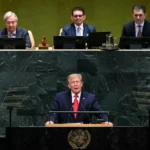
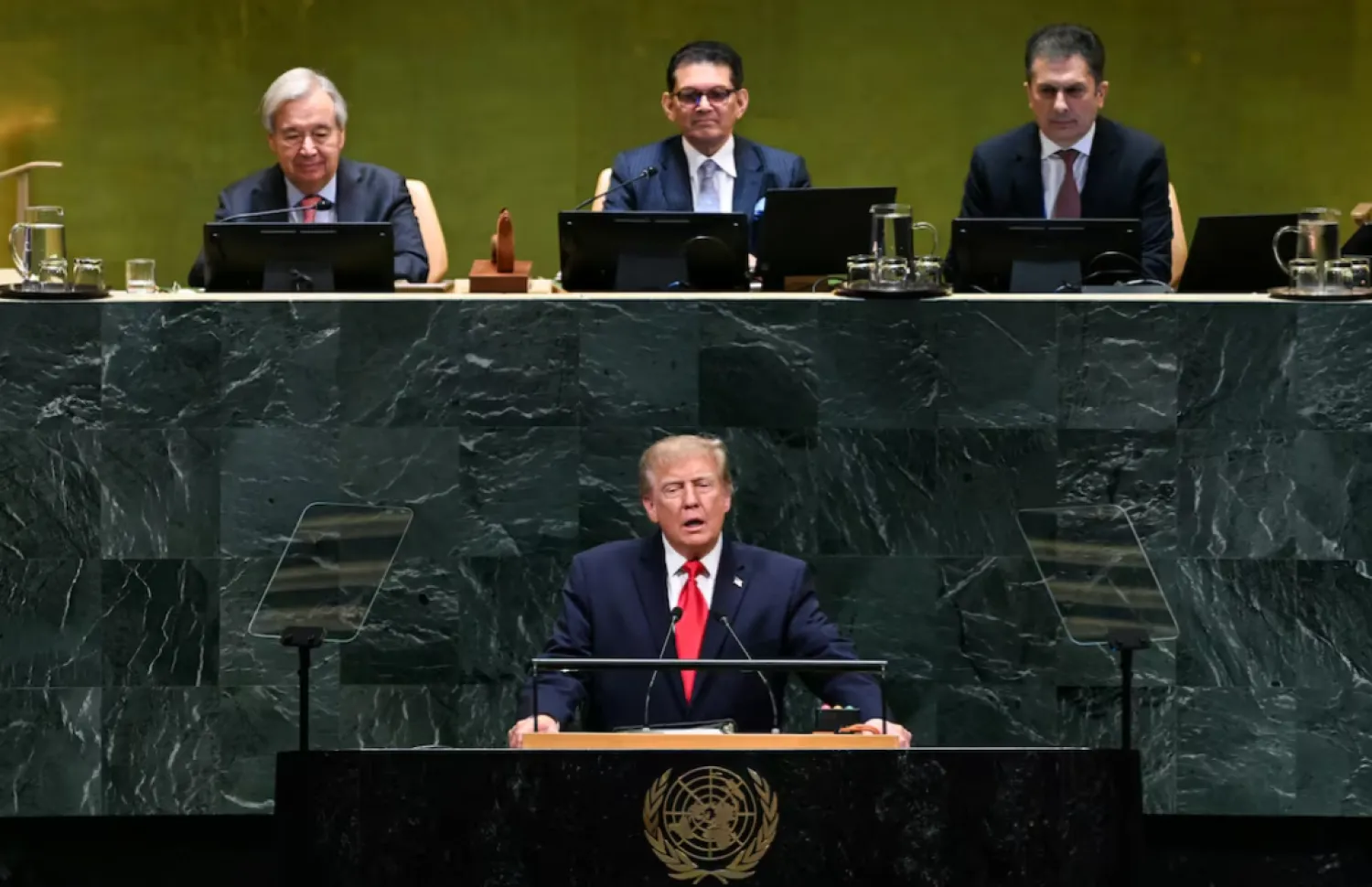
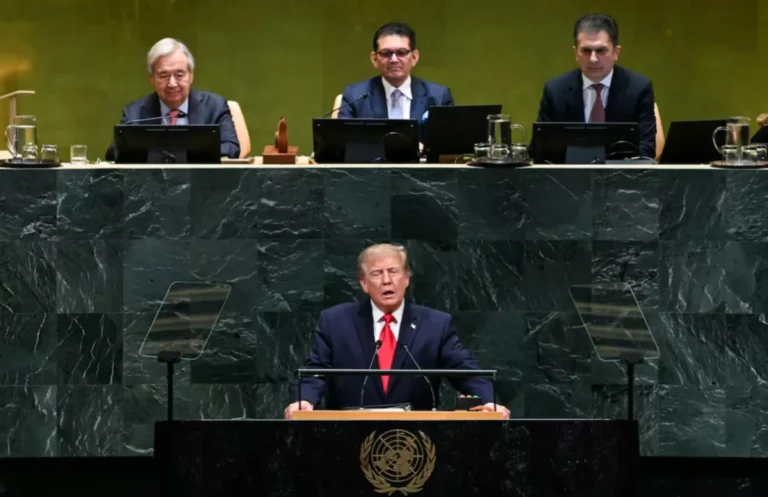
Addressing the United Nations General Assembly in New York on September 22, the US president delivered an uncompromising message to Tehran. Trump warned that the United States could “annihilate” the Islamic Republic if no agreement was reached, while insisting that Iran must never be allowed to obtain a nuclear weapon.
Yet behind the severity of the speech, diplomacy was still moving.
Trump later said that US officials, including Steve Witkoff and Jared Kushner, had held a roughly three-hour meeting with the Iranian delegation. He described the discussion as “very good” and “productive,” while saying he believed a settlement could eventually be reached.
That contrast has become the defining feature of the latest US-Iran confrontation: public threats on one side, private diplomacy on the other.
A Warning Delivered Before the World
Trump used the UN platform to defend his administration’s approach to Iran and to argue that continued pressure was necessary.
He called on countries around the world to enforce what he described as the “complete economic isolation” of Iran, linking the campaign to Tehran’s nuclear ambitions, attacks on commercial shipping and support for militant groups.
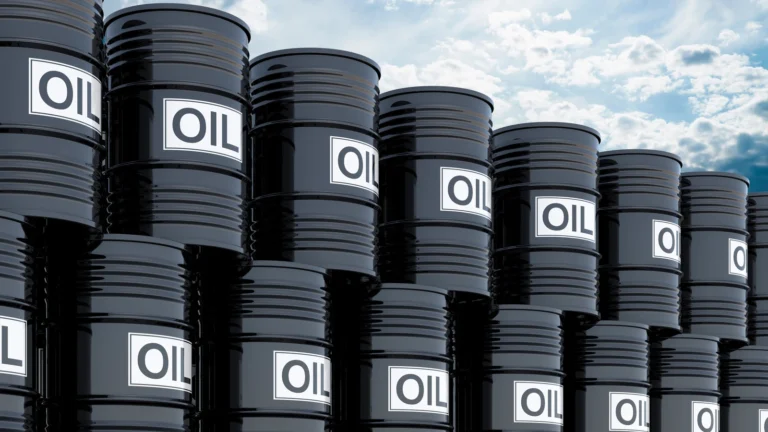
The economic dimension is particularly significant. The conflict has disrupted energy markets and placed renewed attention on the Strait of Hormuz, one of the world’s most important routes for oil shipments.
Iran, meanwhile, has signaled that the strategic waterway could become part of a diplomatic bargain. A senior Iranian official told Reuters that Tehran could reopen the Strait to Gulf shipping within seven days if Washington eased military pressure and lifted its blockade on Iranian ports.
From “Annihilation” to a Possible Deal
Trump’s speech left little doubt about the military option he was putting on the table. But his comments afterward revealed another calculation.
The president said he believed a deal could be reached after the US midterm elections in November, arguing that Tehran was waiting to see the outcome before making its next move.
That creates an unusual diplomatic landscape. Washington is demanding continued pressure on Iran while Iranian officials are signaling an interest in returning to negotiations. At the same time, American officials have indicated that dialogue remains possible if it can produce an outcome Washington considers meaningful.
For now, neither side has announced a final agreement.
The Energy Crisis Adds Another Layer
The confrontation is no longer only about nuclear policy or military strategy.
The Strait of Hormuz connects the Persian Gulf with global energy markets, meaning any prolonged disruption can affect countries far beyond the Middle East.
Trump argued at the UN that stronger international pressure on Iran could ultimately push oil prices lower. But continued uncertainty around the conflict has kept energy markets highly sensitive to developments between Washington and Tehran.
That makes diplomacy economically consequential as well as strategically important.
A Narrow Door for Diplomacy
Iranian officials have described the UN gathering as an opportunity to return to diplomacy. Reuters reported that Tehran had conveyed a proposal to Washington through mediators before the leaders arrived in New York.
The diplomatic opening remains fragile.
The United States is demanding major changes from Tehran, while Iranian officials have continued to reject what they view as attempts to impose terms through military and economic pressure. No comprehensive agreement has yet emerged from the latest contacts.
For the moment, the world is watching a confrontation in which the language of war and the mechanics of diplomacy are unfolding simultaneously.
Trump’s UN address made the stakes unmistakable: Iran faces continued economic pressure and the possibility of further military escalation. But the meetings taking place behind the scenes suggest that, even amid the threats, negotiations have not disappeared.
The next phase may therefore depend not only on what Washington and Tehran say publicly, but on whether the quiet conversations behind closed doors can produce a path that both sides are willing to accept.


+ There are no comments
Add yours