





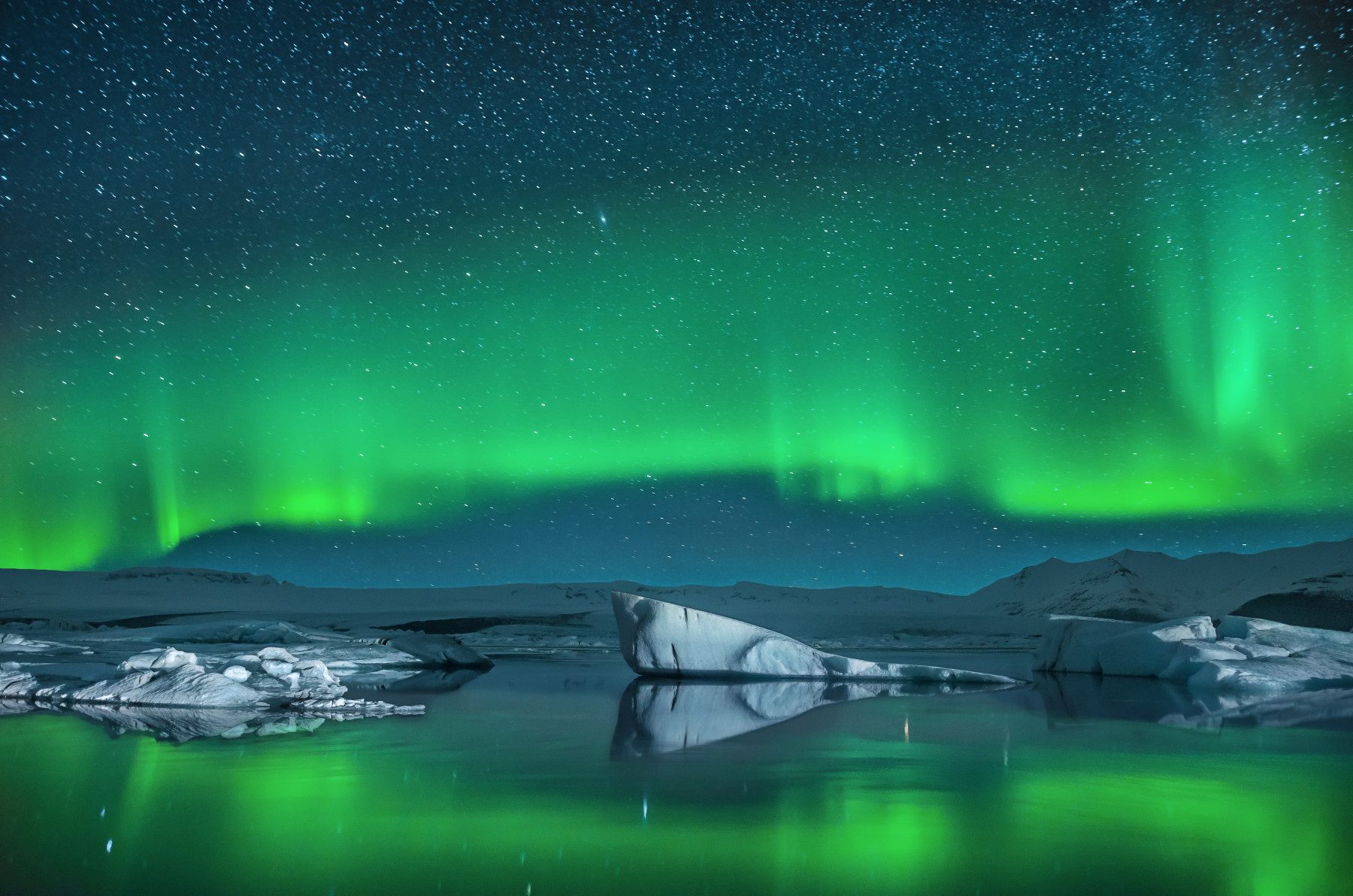
For generations, Greenland has been one of the world’s most difficult destinations to reach and that isolation has helped preserve much of what makes the Arctic island extraordinary. Now, that is changing.
New airports are opening the country to more international travellers, cruise ships are reaching remote communities, and tourism is becoming an increasingly important part of Greenland’s economy. But Greenland is not simply preparing for more visitors. It is attempting something more ambitious: to grow tourism without allowing the growth itself to overwhelm the landscapes, communities and cultural identity that attract travellers in the first place.
Greenland’s tourism strategy sets an objective of doubling visitor numbers by 2035 while increasing the economic value generated by each visitor. The strategy also calls for tourism to spread beyond the major destinations of Nuuk and Ilulissat and beyond the traditional summer peak.
It is a delicate balancing act for a country where infrastructure is limited, communities are widely dispersed and nature remains one of the central pillars of the visitor experience. The first major change is happening in the air.
Nuuk’s international airport opened in November 2024, fundamentally changing access to Greenland’s capital. In April 2026, Qaqortoq Airport opened, giving international travellers a more direct gateway to South Greenland and replacing Narsarsuaq as the region’s primary access point. An airport in Ilulissat is also scheduled to open in October 2026, further expanding access to one of the Arctic’s best-known destinations. The effect is already visible.
According to Greenlandic tourism statistics reported in July, international passengers arriving through Nuuk rose dramatically after the new airport opened. International passengers arriving in Nuuk increased from 11,306 in 2024 to 93,753 in 2025, although the underlying tourism statistics contain uncertainty because the country of residence was not recorded for most air passengers. Overall tourist numbers were reported to have increased by 8 percent in 2025.
For Greenland, better connectivity is more than a convenience for tourists. It is part of a broader economic transformation.
Tourism directly accounted for 4.9 percent of Greenland’s GDP in 2024 and supported an average of 1,800 direct jobs, according to Greenland’s first official Tourism Satellite Account. Tourist spending reached almost DKK3 billion, with international visitors accounting for 58 percent of expenditure.
That makes tourism increasingly relevant to the country’s wider economic future.
But Greenland’s strategy is deliberately different from a simple “more tourists, more revenue” model.
Visit Greenland’s 2025–2035 strategy describes tourism as a means of strengthening communities, creating employment, improving infrastructure and generating opportunities for young people. It also stresses that tourism must respect Greenland’s nature, culture and local communities.
The ambition is therefore not simply to bring more people to Greenland. It is to decide where they go, when they travel and how much value remains in the communities they visit.
That means moving beyond the familiar Arctic postcard.
Nuuk and Ilulissat are among Greenland’s best-known destinations, but the national tourism strategy aims for 30 percent of tourists to visit at least one destination beyond those two hubs by 2035. The strategy also seeks greater tourism activity outside the traditional July and August peak.
For smaller communities, that could be significant.
Cruise tourism is already reaching a wider range of destinations. In 2025, the number of cruise-ship port calls in Greenland increased by 17.8 percent, while smaller destinations recorded particularly sharp percentage increases from relatively low starting points.
The opportunity is substantial but so is the responsibility.
Greenland’s landscapes are not an unlimited tourism resource. Its communities are small, its infrastructure can be difficult to expand and its Arctic environment is particularly sensitive to human activity.
That is why Greenland has increasingly moved toward regulation alongside promotion.
The Greenland Tourism Act, adopted in January 2025, created a framework for regulating tourism while taking into account environmental protection, local communities and other industries, including fishing. The framework also includes local-ownership requirements for tourism companies and tourism-related taxes intended to support infrastructure and environmental protection.
The philosophy is clear: tourism should contribute to the places it enters.
That approach could become one of Greenland’s defining advantages as global travellers increasingly search for destinations associated with nature, authenticity and experiences that feel distinct from mass tourism.
The challenge is ensuring that “authenticity” does not itself become a product that gradually destroys the conditions that created it.
For Greenland, that means keeping local communities involved in tourism development, ensuring economic benefits reach beyond the largest hubs and managing visitor flows rather than allowing them to concentrate in a handful of iconic locations.
It also means thinking beyond the summer rush.
Greenland’s strategy explicitly seeks longer seasons and greater year-round employment. Spring and autumn tourism have already shown signs of growth, creating an opportunity to distribute visitor demand more evenly across the year.
The coming years could therefore transform Greenland’s relationship with tourism.
The opening of new airports is making remote regions easier to reach. Hotels, cruise operators and local tourism businesses have more opportunities to develop. International travellers have more reasons to look beyond the traditional Arctic destinations.
But Greenland is attempting to define its tourism future on its own terms.
Its 2035 strategy places emphasis on higher-value experiences, responsible travel, wider geographic distribution and stronger local participation rather than treating visitor volume as the only measure of success.
That could make Greenland one of the most closely watched examples of sustainable tourism development in the Arctic.
The great test will not be whether Greenland can attract more travellers. The new airports and growing international connectivity suggest that access is already changing rapidly.
The harder question is what happens after they arrive.
If Greenland can turn tourism into jobs, infrastructure, local business opportunities and long-term economic value while protecting its environment and cultural identity, the tourism boom could become much more than a surge in visitor numbers.
It could become part of Greenland’s transformation into a more connected Arctic economy without requiring the country to sacrifice the very character that makes travellers cross oceans to experience it.





+ There are no comments
Add yours