






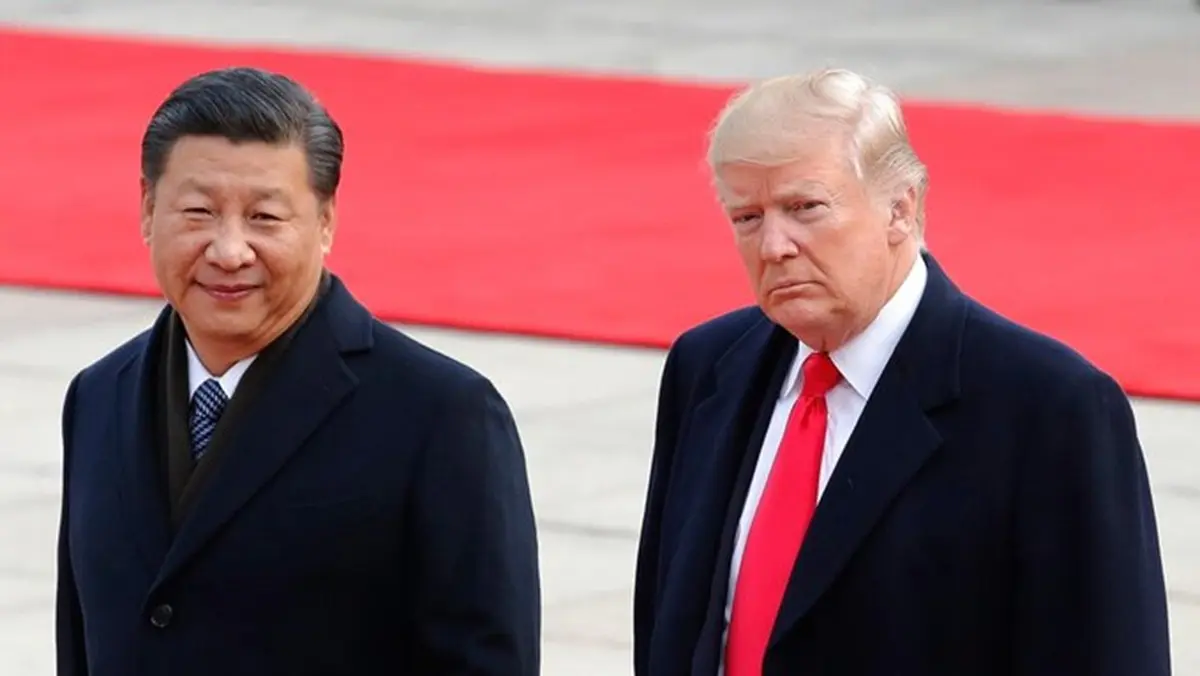
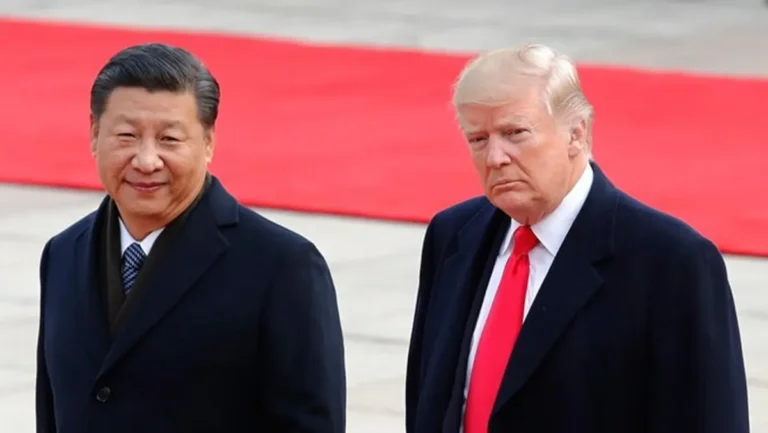
The leaders of the United States and China are meeting in Washington on Thursday as the world’s two largest economies attempt to manage a relationship shaped by trade disputes, technological competition and deep geopolitical tensions.
Chinese President Xi Jinping’s state visit comes at a critical moment for relations between Washington and Beijing. Although both governments have taken steps to prevent their economic rivalry from escalating into another full-scale trade war, major disagreements remain over tariffs, technology, Taiwan, artificial intelligence and China’s relationship with Iran.
The summit follows an agreement between the two countries to extend their existing trade truce until January 10, 2027. The extension gives negotiators additional time to work toward a broader economic agreement and removes an immediate deadline that could otherwise have renewed pressure on global supply chains.
Trade remains at the heart of the relationship. Washington wants greater access for American businesses and stronger commitments from Beijing on purchases of US products, while China is seeking a more stable trading environment for its exporters. China’s exports have continued to grow despite previous US tariff measures, demonstrating the scale of the country’s role in global manufacturing and trade.
But economics is only one part of the conversation.
Artificial intelligence has emerged as a new frontier in the US-China relationship. Both countries are competing to develop increasingly powerful AI systems, while officials are also considering ways to prevent AI-related incidents from escalating into wider security crises. US Treasury Secretary Scott Bessent has discussed establishing a communication mechanism between Washington and Beijing for major AI-related incidents.
Taiwan is another major point of tension. Beijing considers Taiwan part of China and opposes US military support for the island, while Washington maintains longstanding security commitments toward Taipei. The issue remains particularly sensitive because decisions over weapons sales and military support can affect the broader security balance in East Asia.
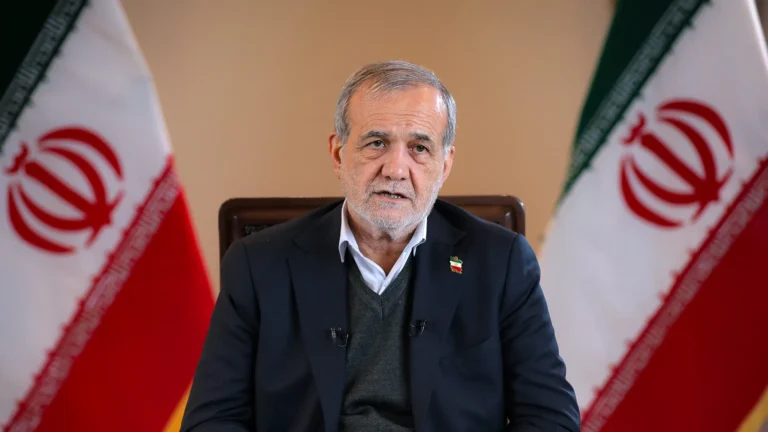
Iran is also expected to feature in the discussions. China maintains significant economic ties with Tehran and is a major buyer of Iranian oil. Washington has been seeking greater international pressure on Iran, making Beijing’s relationship with Tehran an additional point of discussion between the two governments.
Despite the long list of disagreements, neither side appears to be approaching the summit as a simple confrontation. Maintaining communication itself has become an important part of managing the relationship between two countries whose economic and strategic interests are deeply intertwined.
For global businesses, the stakes extend far beyond Washington and Beijing. US-China trade affects manufacturing, shipping, semiconductors, technology, agriculture and consumer prices around the world. Any deterioration in relations could create new uncertainty for companies that depend on supply chains stretching across both economies.
At the same time, a more stable relationship could give businesses greater certainty about tariffs, investment and technology restrictions.
The meeting therefore arrives with expectations focused less on a dramatic breakthrough and more on whether both governments can prevent existing tensions from becoming more difficult to control. Analysts cited by Reuters have described the trade truce as a central issue, while other areas of disagreement could remain unresolved.
The significance of the summit extends beyond the leaders themselves. Washington and Beijing are competing for influence over the technologies, trade networks and strategic relationships that will shape the global economy in the years ahead.
What emerges from the talks may therefore matter not only to the United States and China, but to businesses, investors and governments watching from around the world.
For now, the message from both sides is one of continued engagement. The harder question is whether that engagement can turn a fragile period of stability into a more durable relationship or simply buy more time before the next major confrontation.




+ There are no comments
Add yours