







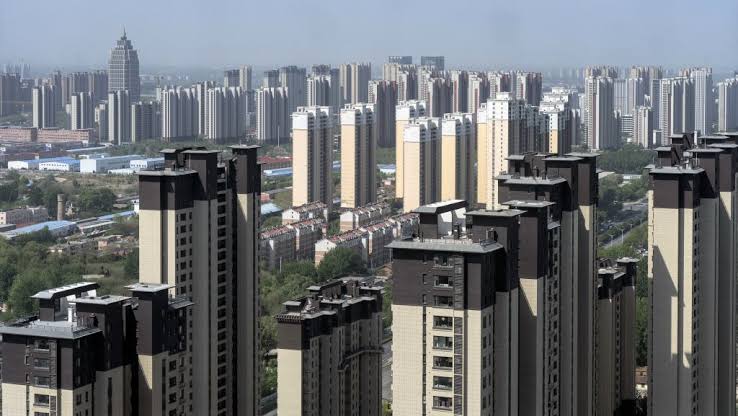
China may need a more aggressive approach to its prolonged property crisis, with Andy Rothman, founder of Sinology, arguing that Beijing should consider turning large stocks of unsold homes into public housing to help stabilize the market and revive domestic demand.
“There is no question” that China needs to stabilize its property market, Rothman said, highlighting the sector’s importance to consumer confidence and the broader economy. His proposal comes as policymakers continue to grapple with excess housing inventory, weak sales and financial pressure on developers.
China’s property downturn has lasted for several years, weighing on household wealth and confidence. The World Bank said in its July 2026 China Economic Update that the estimated time required to clear existing housing inventory was around 30 months as of March, assuming no new construction. It also noted that weak sales and large unsold inventories continue to create liquidity pressures for developers.
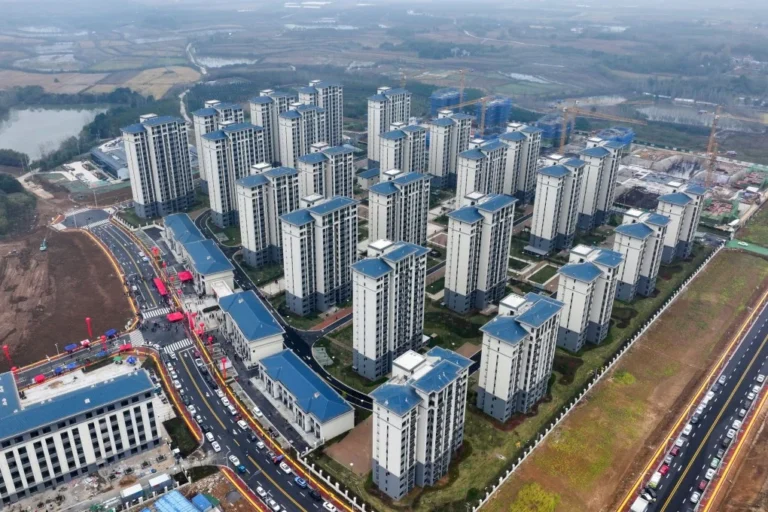
Converting unsold commercial properties into affordable or public housing could address two problems at the same time. It would help developers and local governments reduce excess inventory while providing lower-cost housing for migrants, young workers and lower-income households.
China has already been experimenting with this approach. Cities including Zhengzhou, Lanzhou and Jinan have acquired existing housing stock for conversion into affordable housing. Chinese authorities have also encouraged local governments to purchase completed homes and transform them into affordable rental housing.
The idea could also support domestic consumption. A healthier property market could reduce uncertainty among households, while affordable housing could lower living costs and make it easier for younger residents and new urban workers to settle in cities.
However, the scale of the challenge remains enormous. S&P Global Ratings said China’s primary housing sales could fall 10% to 14% in 2026 and warned that the country’s housing glut continues to prevent a broad-based recovery. It argued that only government intervention on a large scale may be capable of addressing the oversupply problem.
Rothman’s proposal therefore represents more than a housing policy. It points toward a broader shift in China’s economic strategy—from relying heavily on property construction and sales toward using existing housing assets to support households and domestic demand.
If Beijing expands purchases of unsold homes and successfully converts them into affordable housing, the policy could help reduce inventory, improve living conditions and strengthen confidence. But analysts will be watching whether such measures are large enough to overcome the property sector’s deep structural problems.









+ There are no comments
Add yours